
Who is Ronald Wayne? The Apple co-founder who gave up a $400 billion fortune
In his words, he avoided becoming “the richest man in the cemetery.”
- Apr 28, 2026,
- Updated Apr 28, 2026 12:52 PM IST
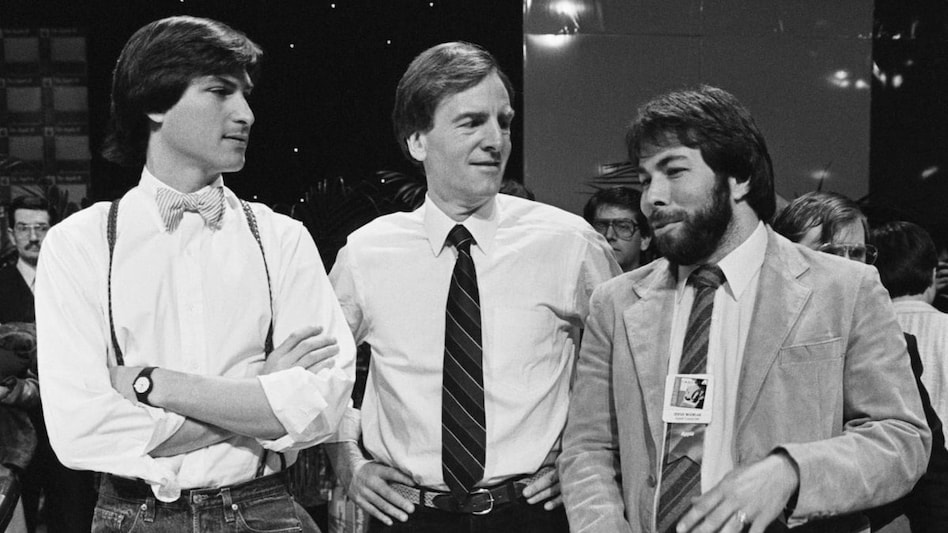
In April 1976, as two young dreamers set out to build what would become one of the world’s most valuable companies, there was a third man quietly helping put the pieces together. His name was Ronald Wayne and within less than two weeks, he was gone.
Today, as Apple edges towards a $4 trillion valuation, Wayne’s early 10% stake would, on paper, be worth hundreds of billions. But the man himself has long insisted he made the right call.
The ‘adult in the room’
Back then, Steve Jobs and Steve Wozniak were in their 20s, ambitious, brilliant, but inexperienced in running a business. Wayne, in contrast, was already in his 40s and had worked with Jobs earlier at Atari.
He wasn’t the visionary or the engineer. Instead, Wayne brought something far less glamorous but equally critical in those early days: structure.
He drafted the original partnership agreement that formally created Apple Computer Company on April 1, 1976. Under that document, Jobs and Wozniak each held 45%, while Wayne took the remaining 10%.
He also helped bridge the gap between Jobs’ relentless business instincts and Wozniak’s engineering focus. By his own account, he served as a steadying influence, a role he later described as being the “adult in the room.”
Wayne’s contributions even extended to branding. He designed Apple’s first logo, a detailed illustration of Isaac Newton sitting under a tree, a far cry from the sleek symbol the company is known for today.
Why did Ronald Wayne leave Apple?
Despite helping set the foundation, Wayne’s time at Apple lasted just 12 days.
The reason was simple: risk.
Apple was set up as a general partnership, which meant all three founders could be held personally responsible for any debts the business took on. For Jobs and Wozniak, who had little to lose, the gamble made sense. For Wayne, it didn’t.
He already had personal assets, property and savings that could be at risk if things went wrong. And at the time, the company was far from a sure bet. One of its first big deals required taking on debt to fulfil an order, with no guarantee of payment.
Faced with that uncertainty, Wayne chose caution over conviction. He sold his 10% stake for $800 and later accepted an additional $1,500 to fully exit any future claims.
A decision worth billions on paper
With Apple now among the most valuable companies in history, Wayne’s early exit is often framed as one of the most expensive decisions ever made.
By estimates, that 10% stake would be worth more than $400 billion today, placing him among the richest individuals on the planet.
But Wayne doesn’t see it that way. Over the years, he has repeatedly said he made the only decision that made sense to him at the time. Staying on, he has suggested, would have meant constant stress and exposure to financial risk he wasn’t willing to take.
In his words, he avoided becoming “the richest man in the cemetery.”
Now in his 90s, Wayne lives in Nevada. Unlike Jobs, who transformed Apple into a global icon, or Wozniak, who remains closely associated with the company, Wayne chose a different path—one defined by stability over scale.
For Unparalleled coverage of India's Businesses and Economy – Subscribe to Business Today Magazine
In April 1976, as two young dreamers set out to build what would become one of the world’s most valuable companies, there was a third man quietly helping put the pieces together. His name was Ronald Wayne and within less than two weeks, he was gone.
Today, as Apple edges towards a $4 trillion valuation, Wayne’s early 10% stake would, on paper, be worth hundreds of billions. But the man himself has long insisted he made the right call.
The ‘adult in the room’
Back then, Steve Jobs and Steve Wozniak were in their 20s, ambitious, brilliant, but inexperienced in running a business. Wayne, in contrast, was already in his 40s and had worked with Jobs earlier at Atari.
He wasn’t the visionary or the engineer. Instead, Wayne brought something far less glamorous but equally critical in those early days: structure.
He drafted the original partnership agreement that formally created Apple Computer Company on April 1, 1976. Under that document, Jobs and Wozniak each held 45%, while Wayne took the remaining 10%.
He also helped bridge the gap between Jobs’ relentless business instincts and Wozniak’s engineering focus. By his own account, he served as a steadying influence, a role he later described as being the “adult in the room.”
Wayne’s contributions even extended to branding. He designed Apple’s first logo, a detailed illustration of Isaac Newton sitting under a tree, a far cry from the sleek symbol the company is known for today.
Why did Ronald Wayne leave Apple?
Despite helping set the foundation, Wayne’s time at Apple lasted just 12 days.
The reason was simple: risk.
Apple was set up as a general partnership, which meant all three founders could be held personally responsible for any debts the business took on. For Jobs and Wozniak, who had little to lose, the gamble made sense. For Wayne, it didn’t.
He already had personal assets, property and savings that could be at risk if things went wrong. And at the time, the company was far from a sure bet. One of its first big deals required taking on debt to fulfil an order, with no guarantee of payment.
Faced with that uncertainty, Wayne chose caution over conviction. He sold his 10% stake for $800 and later accepted an additional $1,500 to fully exit any future claims.
A decision worth billions on paper
With Apple now among the most valuable companies in history, Wayne’s early exit is often framed as one of the most expensive decisions ever made.
By estimates, that 10% stake would be worth more than $400 billion today, placing him among the richest individuals on the planet.
But Wayne doesn’t see it that way. Over the years, he has repeatedly said he made the only decision that made sense to him at the time. Staying on, he has suggested, would have meant constant stress and exposure to financial risk he wasn’t willing to take.
In his words, he avoided becoming “the richest man in the cemetery.”
Now in his 90s, Wayne lives in Nevada. Unlike Jobs, who transformed Apple into a global icon, or Wozniak, who remains closely associated with the company, Wayne chose a different path—one defined by stability over scale.
For Unparalleled coverage of India's Businesses and Economy – Subscribe to Business Today Magazine