
Bollywood goes corporate: Karan Johar explains the business logic behind Dharma’s 50% stake sale to Adar Poonawalla
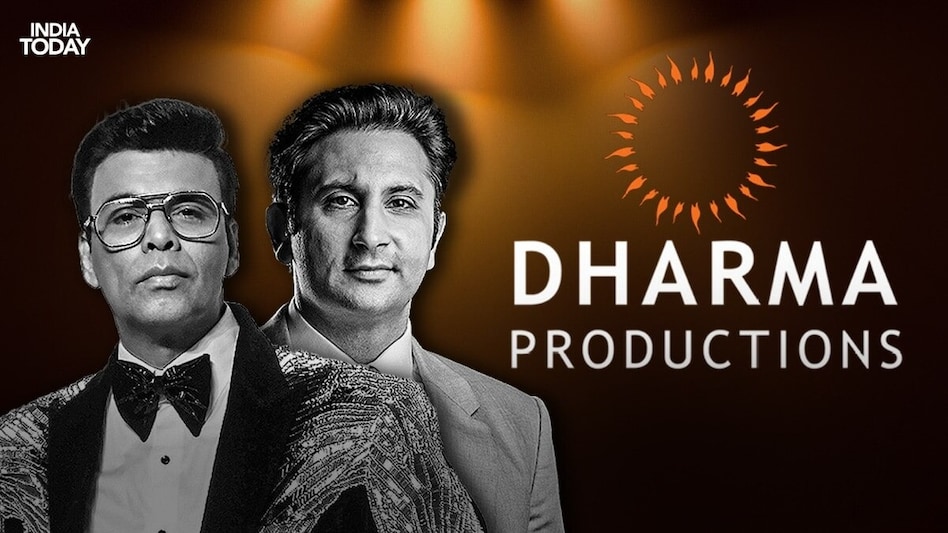
In 2024, Karan Johar’s Dharma Productions sold a 50% equity stake to Adar Poonawalla for ₹1,000 crore, underscoring a structural shift in India’s film industry toward institutional capital and long-term strategic partnerships.
- Feb 28, 2026,
- Updated Feb 28, 2026 3:10 PM IST
India’s film industry is entering its institutional capital era. What was once dominated by personality-led studios is now seeing structured equity deals, minority stake sales, and strategic tie-ups with large conglomerates — and Karan Johar’s Dharma Productions is at the centre of that transition.
In 2024, Karan Johar’s Dharma Productions sold a 50% equity stake to Adar Poonawalla for ₹1,000 crore, underscoring a structural shift in India’s film industry toward institutional capital and long-term strategic partnerships. The transaction positioned Dharma as a capital-backed content enterprise rather than a personality-driven studio operating on project-level financing.
Speaking to Sarthak Ahuja, Johar described the transaction as a calibrated diversification move. “This was a move towards diversification. But at the end of the day, he is a businessman and this is a business,” Johar said. While acknowledging Poonawalla’s interest in the arts, he was clear about the commercial underpinnings of the deal.
“I’m sure at some point he will look at an exit. That’s how structured investments work — there has to be a return horizon,” Johar noted, suggesting an 8–10 year investment window. “Maybe the return after eight or ten years may not be magnificently huge, but it has to satiate the investment — financially and strategically.”
He also addressed the economics behind the glamour of cinema. “Cinema may look glamorous from the outside, but the balance sheet tells you a very different story,” he said. “You look at my bank balance — I am nothing compared to a gazillion business heads.” For Johar, brand recall and cultural capital often exceed financial muscle. “There is love and glory attached to what we do, but that kind of glory cannot always be monetised.”
Importantly, he separates brand from power. “I don’t associate name with power. I associate name with respect,” Johar said. “Reputation and respect are far bigger than love — and certainly bigger than short-term ROI.”
Consolidation in content ecosystem
Dharma’s stake sale is part of a broader consolidation wave. Johar referenced Excel Entertainment’s sale of a 30% stake to Universal Music Group and Sanjay Leela Bhansali’s partnership with Saregama.
On Bhansali’s move, Johar suggested the partnership offered operational stability. “Everyone wants a home now — a system that gives comfort instead of negotiating every film from scratch.” Such arrangements reduce friction in securing music and streaming deals while providing financial backing.
On Excel’s tie-up with Universal, he indicated that minority ownership could be the beginning of a deeper alignment. “Older studios are seeking comfort in larger conglomerates so they can take creative chances without constantly buying and selling every piece,” he said. “These partnerships reduce friction. They allow you to focus on building IP instead of scrambling for financing.”
On digital fame
The conversation expanded beyond studio equity to the economics of digital content creation. Asked what advice he would give young creators anxious about short-lived algorithm-driven fame, Johar was direct.
“Ask yourself — is this genuinely your talent or just the easy way out because you have a smartphone?” he said. “If it is the easy way out, please have a Plan B. Because this will not last.”
With low entry barriers, he warned, replication risk is high. “There will be 18,000 others who will come with the same beginning that you had.” Platforms evolve rapidly, and creators risk digital fatigue. “Content creation can lead to digital exhaustion. Platforms change. Algorithms change. Technology changes.”
His prescription is clear: “Two things every creator must remember — diversification and having a Plan B.”
Celebrity businesses
The discussion also touched on celebrity-led ventures that struggle despite high visibility. Johar implied that fame alone cannot substitute for business fundamentals.
“A celebrity face is not a business model,” he said. “Without operational strength and authentic brand alignment, the audience will see through it.” Today’s consumers, he added, are more discerning. “Fame alone cannot build trust.”
India’s film industry is entering its institutional capital era. What was once dominated by personality-led studios is now seeing structured equity deals, minority stake sales, and strategic tie-ups with large conglomerates — and Karan Johar’s Dharma Productions is at the centre of that transition.
In 2024, Karan Johar’s Dharma Productions sold a 50% equity stake to Adar Poonawalla for ₹1,000 crore, underscoring a structural shift in India’s film industry toward institutional capital and long-term strategic partnerships. The transaction positioned Dharma as a capital-backed content enterprise rather than a personality-driven studio operating on project-level financing.
Speaking to Sarthak Ahuja, Johar described the transaction as a calibrated diversification move. “This was a move towards diversification. But at the end of the day, he is a businessman and this is a business,” Johar said. While acknowledging Poonawalla’s interest in the arts, he was clear about the commercial underpinnings of the deal.
“I’m sure at some point he will look at an exit. That’s how structured investments work — there has to be a return horizon,” Johar noted, suggesting an 8–10 year investment window. “Maybe the return after eight or ten years may not be magnificently huge, but it has to satiate the investment — financially and strategically.”
He also addressed the economics behind the glamour of cinema. “Cinema may look glamorous from the outside, but the balance sheet tells you a very different story,” he said. “You look at my bank balance — I am nothing compared to a gazillion business heads.” For Johar, brand recall and cultural capital often exceed financial muscle. “There is love and glory attached to what we do, but that kind of glory cannot always be monetised.”
Importantly, he separates brand from power. “I don’t associate name with power. I associate name with respect,” Johar said. “Reputation and respect are far bigger than love — and certainly bigger than short-term ROI.”
Consolidation in content ecosystem
Dharma’s stake sale is part of a broader consolidation wave. Johar referenced Excel Entertainment’s sale of a 30% stake to Universal Music Group and Sanjay Leela Bhansali’s partnership with Saregama.
On Bhansali’s move, Johar suggested the partnership offered operational stability. “Everyone wants a home now — a system that gives comfort instead of negotiating every film from scratch.” Such arrangements reduce friction in securing music and streaming deals while providing financial backing.
On Excel’s tie-up with Universal, he indicated that minority ownership could be the beginning of a deeper alignment. “Older studios are seeking comfort in larger conglomerates so they can take creative chances without constantly buying and selling every piece,” he said. “These partnerships reduce friction. They allow you to focus on building IP instead of scrambling for financing.”
On digital fame
The conversation expanded beyond studio equity to the economics of digital content creation. Asked what advice he would give young creators anxious about short-lived algorithm-driven fame, Johar was direct.
“Ask yourself — is this genuinely your talent or just the easy way out because you have a smartphone?” he said. “If it is the easy way out, please have a Plan B. Because this will not last.”
With low entry barriers, he warned, replication risk is high. “There will be 18,000 others who will come with the same beginning that you had.” Platforms evolve rapidly, and creators risk digital fatigue. “Content creation can lead to digital exhaustion. Platforms change. Algorithms change. Technology changes.”
His prescription is clear: “Two things every creator must remember — diversification and having a Plan B.”
Celebrity businesses
The discussion also touched on celebrity-led ventures that struggle despite high visibility. Johar implied that fame alone cannot substitute for business fundamentals.
“A celebrity face is not a business model,” he said. “Without operational strength and authentic brand alignment, the audience will see through it.” Today’s consumers, he added, are more discerning. “Fame alone cannot build trust.”