
Did you know? India's first Ramayana film had no dialogues and was made 109 years ago
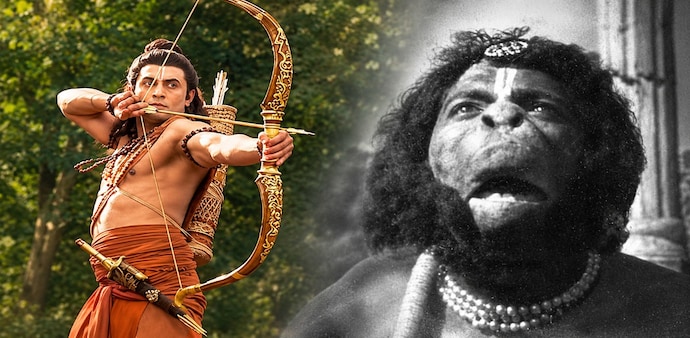
Directed by Dadasaheb Phalke, Lanka Dahan was released in 1917 and depicted the episode of Hanuman setting Lanka on fire. Unlike modern films, it relied entirely on visual storytelling, acting and intertitles to communicate the narrative to audiences.
- Nov 2, 2026,
- Updated Nov 2, 2026 3:10 PM IST
As Ranbir Kapoor prepares to bring the story of Lord Ram to the big screen in Nitesh Tiwari's much-awaited Ramayana, few may know that the journey of the epic in Indian cinema began more than a century ago, when films had no dialogues, background scores or sophisticated visual effects.
Back in 1917, legendary filmmaker Dadasaheb Phalke brought an episode from the Ramayana to the silver screen through a silent film titled Lanka Dahan. The film, made nearly 109 years ago, marked one of the earliest cinematic adaptations of the Hindu epic and showcased how Indian filmmakers experimented with mythology during the early years of cinema.
Lanka Dahan: Ramayana's silent cinema debut
Directed by Dadasaheb Phalke, Lanka Dahan was released in 1917 and depicted the episode of Hanuman setting Lanka on fire. Unlike modern films, it relied entirely on visual storytelling, acting and intertitles to communicate the narrative to audiences. The surviving footage of the silent film runs for approximately 5 minutes and 15 seconds.
MUST READ: From ₹9 lakh per episode to ₹4,000 crore: How Ramayana’s budget has evolved from TV to global cinema
According to a report by NDTV, the film was reportedly made on a budget of around ₹15,000, a significant undertaking for Indian filmmaking at the time.
Despite being a silent film, Lanka Dahan emerged as a major box-office success in 1917. According to a 2017 IANS report published by Business Standard, the film collected around ₹30,000 at Mumbai's Naaz Talkies (then West End Cinema) in its first week. Meanwhile, filmmaker Dadasaheb Phalke reportedly recorded collections of ₹32,000 in the first 10 days at the same theatre, as documented in his account of the film's success.
The film attracted massive crowds, ran to packed houses across several cities and became one of the earliest major box-office hits in Indian cinema.
One of the most interesting aspects of the film was its casting. Actor Anna Salunke played both Lord Ram and Goddess Sita, as women rarely appeared in films during that period. The film also became a commercial success, demonstrating the audience's interest in mythological stories.
From silent cinema to Ranbir Kapoor's grand Ramayana
More than a century later, the same epic is returning to cinemas in a dramatically different cinematic format. Directed by Nitesh Tiwari and produced by Namit Malhotra, Ramayana: Rise of a Legend stars Ranbir Kapoor as Lord Ram, Sai Pallavi as Sita and Yash as Ravana.
DO CHECKOUT: Ram, Sita and Ravana, told in gold: How Amrapali designed 4,000 jewellery pieces for ‘Ramayana’: Rise of a Legend
According to the makers' official announcement, the film's first instalment is scheduled for a worldwide theatrical release on November 5, 2026. The two-part cinematic project aims to bring the ancient epic to audiences through large-scale production, advanced visual effects and modern filmmaking technology.
From Phalke's silent frames in 1917 to Ranbir Kapoor's ambitious cinematic portrayal in 2026, the evolution of Ramayana on screen reflects how Indian cinema has transformed over the decades while continuing to revisit stories rooted in its cultural heritage.