
'No AI for dubbing': Nitesh Tiwari says real artists dubbed all voices, AI used only for lip-syncing
The distinction comes amid growing debate over the use of AI in the entertainment industry, particularly its role in dubbing, voice replication and other aspects of film production
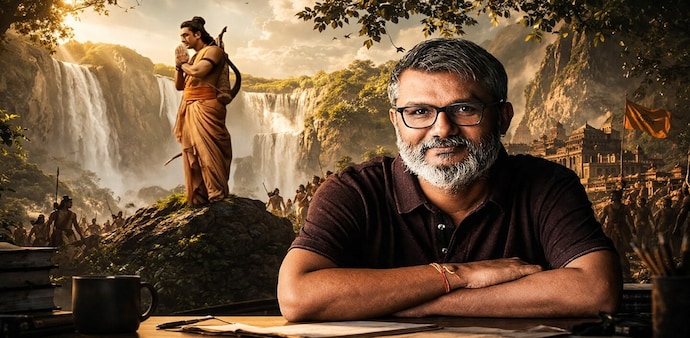
- Oct 29, 2026,
- Updated Oct 29, 2026 3:18 PM IST
Filmmaker Nitesh Tiwari has clarified the use of artificial intelligence (AI) in Ramayana, dismissing rumours that AI-generated voices were used for dubbing the upcoming mythological epic. He stated that all voices in the film were performed by real artists, with AI used strictly for lip-syncing.
The clarification was highlighted in a post by The Cinema Ledger on X, which shared a video of Tiwari addressing the issue. The post stated that AI was used only to ensure seamless lip-syncing, while the voices were recorded by human artists.
The distinction comes amid growing debate over the use of AI in the entertainment industry, particularly its role in dubbing, voice replication and other aspects of film production. The use of such technology has raised questions about its potential impact on voice artists and other creative professionals.
READ THIS: 'Lost 90% of my wealth in 2008': At Ramayana's LA premiere, Namit Malhotra recounts hard times
By clarifying the technology's role in Ramayana, Tiwari has sought to address speculation surrounding the film's multilingual versions. AI-assisted lip-syncing can help synchronise characters' mouth movements with dialogue in different languages, making dubbed versions appear more natural to viewers.
Ramayana's global ambitions
Directed by Nitesh Tiwari and produced by Namit Malhotra, Ramayana is an ambitious cinematic adaptation of the Indian epic. The film stars Ranbir Kapoor as Lord Rama, Sai Pallavi as Sita and Yash as Ravana. Sunny Deol and Ravi Dubey are also part of the cast, playing Hanuman and Lakshman, respectively.
The project has attracted significant attention for its scale, visual effects and plans to reach audiences across international markets. Its multilingual presentation is an important part of that strategy, allowing viewers in different regions to experience the story in their preferred languages.
The makers are combining modern filmmaking technology with the traditional narrative of the Ramayana, one of India's most influential epics.
ALSO READ: 'Ramayana' needs ₹5,000 crore to break even? The box office numbers explained
AI debate in the film industry
Artificial intelligence is increasingly being used in filmmaking, including visual effects, post-production and language localisation. While these tools can streamline certain processes, their use has also sparked concerns about creative ownership, employment and the preservation of human performances.
Tiwari's clarification draws a clear distinction between using AI as a technical aid and using it to generate voices. According to the statement highlighted by The Cinema Ledger, the film's dubbed performances remain the work of human artists, while AI has been used for lip-syncing.