
‘We were told to leave’: Sailor’s last call reveals warnings before US attack on Iran warship
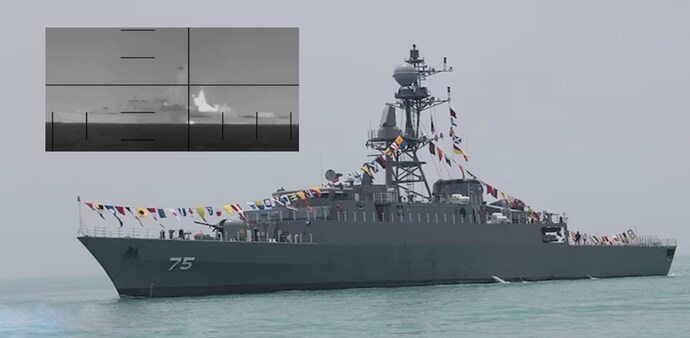
The Iranian frigate was struck by a torpedo fired from a US submarine on March 4 in the Indian Ocean, within the search-and-rescue zone of Sri Lanka. The attack occurred roughly 19-40 nautical miles south of Galle, according to various reports.
- Mar 7, 2026,
- Updated Mar 7, 2026 11:07 PM IST
An Iranian sailor who died when the frigate IRIS Dena was torpedoed by a United States submarine near Galle had phoned his father minutes before the attack, saying American forces had already warned the crew twice to abandon the vessel, the family told Iran International.
Catch live coverage of West Asia conflict here
The sailor reportedly told his father that US forces had issued two warnings for the crew to evacuate the ship. However, the warship’s commander refused to allow the sailors to leave despite the imminent threat, the report added.
Some crew members argued with the commander over the decision, the sailor’s father told Iran International. Ultimately, the 32 sailors who survived were mostly those who managed to escape using lifeboats before the vessel sank.
Torpedo strike in the Indian Ocean
The Iranian frigate was struck by a torpedo fired from a US submarine on March 4 in the Indian Ocean, within the search-and-rescue zone of Sri Lanka. The attack occurred roughly 19-40 nautical miles south of Galle, according to various reports.
Sri Lankan authorities responded to a distress call from the vessel and launched a rescue operation. The navy recovered 87 bodies from the sea and rescued 32 surviving sailors.
The sinking of the Dena marked a dramatic escalation in the expanding maritime confrontation between the United States and Iran.
First US torpedoing of a warship since World War II
The strike also carried historic significance. US War Secretary Pete Hegseth described the destruction of the vessel as a “quiet death,” noting that it marked the first time since World War II that the United States had torpedoed an enemy warship.
The Pentagon later released footage of the attack, showing a powerful explosion near the ship’s stern followed by images of the vessel sinking beneath the ocean surface, according to a report by CNN.
Survivors caught in diplomatic dispute
The aftermath of the sinking has also triggered a diplomatic standoff. An internal cable from the United States Department of State dated March 6 reportedly urged Sri Lankan authorities not to return the 32 survivors from the Dena and another 208 sailors rescued from the Iranian naval auxiliary vessel IRIS Booshehr.
The cable, seen by Reuters, suggested Washington wants the sailors held rather than repatriated.
US officials described the waters where the attack occurred as international waters. Although the location falls within Sri Lanka’s maritime zones, it is considered legally open to naval movement during wartime under international maritime rules.
An Iranian sailor who died when the frigate IRIS Dena was torpedoed by a United States submarine near Galle had phoned his father minutes before the attack, saying American forces had already warned the crew twice to abandon the vessel, the family told Iran International.
Catch live coverage of West Asia conflict here
The sailor reportedly told his father that US forces had issued two warnings for the crew to evacuate the ship. However, the warship’s commander refused to allow the sailors to leave despite the imminent threat, the report added.
Some crew members argued with the commander over the decision, the sailor’s father told Iran International. Ultimately, the 32 sailors who survived were mostly those who managed to escape using lifeboats before the vessel sank.
Torpedo strike in the Indian Ocean
The Iranian frigate was struck by a torpedo fired from a US submarine on March 4 in the Indian Ocean, within the search-and-rescue zone of Sri Lanka. The attack occurred roughly 19-40 nautical miles south of Galle, according to various reports.
Sri Lankan authorities responded to a distress call from the vessel and launched a rescue operation. The navy recovered 87 bodies from the sea and rescued 32 surviving sailors.
The sinking of the Dena marked a dramatic escalation in the expanding maritime confrontation between the United States and Iran.
First US torpedoing of a warship since World War II
The strike also carried historic significance. US War Secretary Pete Hegseth described the destruction of the vessel as a “quiet death,” noting that it marked the first time since World War II that the United States had torpedoed an enemy warship.
The Pentagon later released footage of the attack, showing a powerful explosion near the ship’s stern followed by images of the vessel sinking beneath the ocean surface, according to a report by CNN.
Survivors caught in diplomatic dispute
The aftermath of the sinking has also triggered a diplomatic standoff. An internal cable from the United States Department of State dated March 6 reportedly urged Sri Lankan authorities not to return the 32 survivors from the Dena and another 208 sailors rescued from the Iranian naval auxiliary vessel IRIS Booshehr.
The cable, seen by Reuters, suggested Washington wants the sailors held rather than repatriated.
US officials described the waters where the attack occurred as international waters. Although the location falls within Sri Lanka’s maritime zones, it is considered legally open to naval movement during wartime under international maritime rules.