
300 billion barrels: Venezuela has more oil than Saudi Arabia. Why did it collapse?
Much of its reserves are located in the Orinoco Belt and consist of heavy crude. Unlike the lighter crude found in many Middle Eastern fields, heavy oil is more expensive and technically challenging to produce and refine.
- Jun 5, 2026,
- Updated Jun 5, 2026 6:22 PM IST
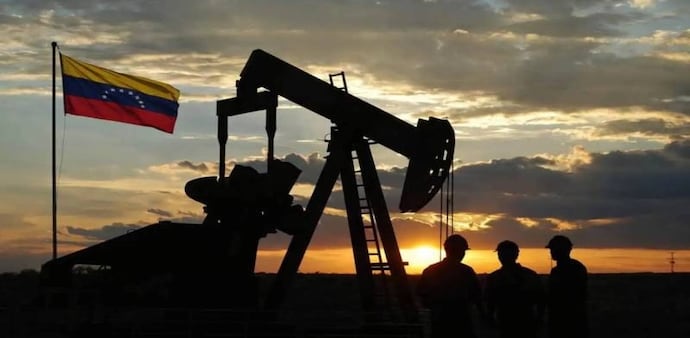
On paper, Venezuela should be one of the richest countries on Earth. The South American nation sits atop the world's largest proven oil reserves — more than 300 billion barrels, even exceeding those of Saudi Arabia.
Yet instead of becoming a petroleum-powered success story like Norway or the Gulf states, Venezuela suffered one of the worst economic collapses in modern history, marked by hyperinflation, mass migration, food shortages, and a dramatic fall in living standards.
So what went wrong? For decades, oil was both Venezuela's greatest strength and its biggest weakness.
MUST READ | Venezuela’s oil exports hit 7-yr high: India among top buyers as shipments surge
The country became heavily dependent on crude exports, with oil accounting for the overwhelming majority of export earnings and government revenue. During periods of high oil prices, money flowed into government coffers, funding welfare programmes, subsidies and public spending. But this dependence created a fragile economy with few alternatives.
Unlike diversified economies that can absorb commodity shocks, Venezuela effectively put all its economic eggs in one basket.
When oil prices were high, the risks remained hidden. When prices crashed, the entire system began to unravel.
Oil price crash that changed everything
The turning point came in 2014.
Global oil prices plunged from over $100 a barrel to less than $30 within two years. For a country whose finances depended almost entirely on petroleum exports, the impact was devastating. Government revenues collapsed, imports shrank, and economic activity contracted sharply.
Between 2014 and 2019, Venezuela's GDP is estimated to have fallen by roughly 75%, one of the steepest peacetime economic declines ever recorded.
Mismanagement at the heart of the crisis
The oil crash exposed deeper structural problems that had been building for years.
Under President Hugo Chávez and later Nicolás Maduro, Venezuela expanded state control over the economy and the oil sector. The government increasingly relied on the state-owned oil company, PDVSA, to fund social programmes while underinvesting in maintenance and future production.
A major blow came after a 2002-03 strike at PDVSA, when thousands of experienced engineers and technical staff were dismissed and replaced by political loyalists. Over time, production efficiency deteriorated, infrastructure aged, and investment dried up.
Ironically, while Venezuela still possessed enormous reserves underground, it increasingly lost the ability to extract and refine them efficiently.
Not all oil is created equal
Another often-overlooked factor is the nature of Venezuela's oilhttps://www.businesstoday.in/latest/economy/story/oil-sourcing-shift-to-venezuela-could-lower-indias-fuel-import-bill-by-3-bn-sbi-report-514487-2026-02-03.
Much of its reserves are located in the Orinoco Belt and consist of heavy crude. Unlike the lighter crude found in many Middle Eastern fields, heavy oil is more expensive and technically challenging to produce and refine. It requires substantial investment, advanced technology and specialized infrastructure.
As foreign investment declined and infrastructure deteriorated, Venezuela found it increasingly difficult to monetize its vast resource wealth.
In other words, having the largest reserves in the world did not automatically mean having the capacity to turn them into profits.
Hyperinflation & currency collapse
As revenues disappeared, the government turned to money printing to finance spending.
The result was one of the worst episodes of hyperinflation in modern history. Prices spiraled out of control, savings became worthless, and ordinary citizens saw their purchasing power evaporate. Price controls and currency restrictions further distorted markets, leading to shortages of food, medicine and basic goods.
The economic collapse triggered a humanitarian crisis that pushed millions of Venezuelans to leave the country in search of work and stability elsewhere.
US sanctions
US sanctions undoubtedly worsened Venezuela's problems, particularly after 2017 and 2019, when restrictions targeted the country's oil industry and access to global financial markets. Sanctions limited exports, reduced access to financing and complicated dealings with international partners.
However, many economists argue that the foundations of the crisis had already been laid long before sanctions were imposed. Falling production, underinvestment, institutional weakness and economic mismanagement were already driving the decline.
On paper, Venezuela should be one of the richest countries on Earth. The South American nation sits atop the world's largest proven oil reserves — more than 300 billion barrels, even exceeding those of Saudi Arabia.
Yet instead of becoming a petroleum-powered success story like Norway or the Gulf states, Venezuela suffered one of the worst economic collapses in modern history, marked by hyperinflation, mass migration, food shortages, and a dramatic fall in living standards.
So what went wrong? For decades, oil was both Venezuela's greatest strength and its biggest weakness.
MUST READ | Venezuela’s oil exports hit 7-yr high: India among top buyers as shipments surge
The country became heavily dependent on crude exports, with oil accounting for the overwhelming majority of export earnings and government revenue. During periods of high oil prices, money flowed into government coffers, funding welfare programmes, subsidies and public spending. But this dependence created a fragile economy with few alternatives.
Unlike diversified economies that can absorb commodity shocks, Venezuela effectively put all its economic eggs in one basket.
When oil prices were high, the risks remained hidden. When prices crashed, the entire system began to unravel.
Oil price crash that changed everything
The turning point came in 2014.
Global oil prices plunged from over $100 a barrel to less than $30 within two years. For a country whose finances depended almost entirely on petroleum exports, the impact was devastating. Government revenues collapsed, imports shrank, and economic activity contracted sharply.
Between 2014 and 2019, Venezuela's GDP is estimated to have fallen by roughly 75%, one of the steepest peacetime economic declines ever recorded.
Mismanagement at the heart of the crisis
The oil crash exposed deeper structural problems that had been building for years.
Under President Hugo Chávez and later Nicolás Maduro, Venezuela expanded state control over the economy and the oil sector. The government increasingly relied on the state-owned oil company, PDVSA, to fund social programmes while underinvesting in maintenance and future production.
A major blow came after a 2002-03 strike at PDVSA, when thousands of experienced engineers and technical staff were dismissed and replaced by political loyalists. Over time, production efficiency deteriorated, infrastructure aged, and investment dried up.
Ironically, while Venezuela still possessed enormous reserves underground, it increasingly lost the ability to extract and refine them efficiently.
Not all oil is created equal
Another often-overlooked factor is the nature of Venezuela's oilhttps://www.businesstoday.in/latest/economy/story/oil-sourcing-shift-to-venezuela-could-lower-indias-fuel-import-bill-by-3-bn-sbi-report-514487-2026-02-03.
Much of its reserves are located in the Orinoco Belt and consist of heavy crude. Unlike the lighter crude found in many Middle Eastern fields, heavy oil is more expensive and technically challenging to produce and refine. It requires substantial investment, advanced technology and specialized infrastructure.
As foreign investment declined and infrastructure deteriorated, Venezuela found it increasingly difficult to monetize its vast resource wealth.
In other words, having the largest reserves in the world did not automatically mean having the capacity to turn them into profits.
Hyperinflation & currency collapse
As revenues disappeared, the government turned to money printing to finance spending.
The result was one of the worst episodes of hyperinflation in modern history. Prices spiraled out of control, savings became worthless, and ordinary citizens saw their purchasing power evaporate. Price controls and currency restrictions further distorted markets, leading to shortages of food, medicine and basic goods.
The economic collapse triggered a humanitarian crisis that pushed millions of Venezuelans to leave the country in search of work and stability elsewhere.
US sanctions
US sanctions undoubtedly worsened Venezuela's problems, particularly after 2017 and 2019, when restrictions targeted the country's oil industry and access to global financial markets. Sanctions limited exports, reduced access to financing and complicated dealings with international partners.
However, many economists argue that the foundations of the crisis had already been laid long before sanctions were imposed. Falling production, underinvestment, institutional weakness and economic mismanagement were already driving the decline.