
'Enough is enough!!!...': Donald Trump claims US ‘prohibits’ Israel from bombing Lebanon
While pushing for de-escalation in Lebanon, Washington has maintained that Israel retains the right to self-defence against imminent threats — highlighting the delicate balance between restraint and deterrence.
- Apr 17, 2026,
- Updated Apr 17, 2026 9:55 PM IST
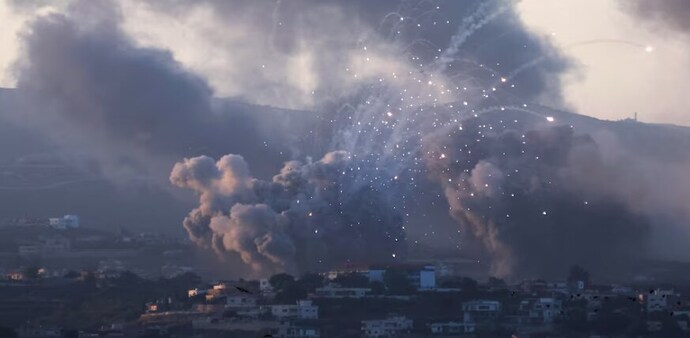
In a dramatic escalation of rhetoric surrounding the West Asia conflict, US President Donald Trump claimed that Israel has been “prohibited” by the United States from carrying out further airstrikes in Lebanon, even as fragile ceasefire arrangements begin to take shape across the region.
In a post on Truth Social, Trump declared that Israeli military action in Lebanon would cease immediately under US direction. “They are PROHIBITED from doing so by the U.S.A. Enough is enough,” he wrote, framing the move as part of a broader effort to stabilise the region.
Ceasefire tensions and Hezbollah factor
The announcement comes amid ongoing hostilities between Israel and Hezbollah, the Iran-backed militant group that has been engaged in cross-border exchanges with Israeli forces for weeks. Trump urged Hezbollah to respect the ceasefire, expressing hope the group would “act nicely and well” during what he described as a critical diplomatic window.
However, the US position appears carefully calibrated. While pushing for de-escalation in Lebanon, Washington has maintained that Israel retains the right to self-defence against imminent threats — highlighting the delicate balance between restraint and deterrence.
Separating Lebanon from Iran talks
Trump also sought to decouple the Lebanon ceasefire from parallel negotiations with Iran. Tehran had signalled attempts to link the two tracks, but the US president insisted the agreements are independent.
At the same time, Iran has announced that the strategically vital Strait of Hormuz will remain open to commercial shipping during the ceasefire period — a move seen as critical for global energy markets. Trump claimed Iran has committed to never closing the waterway again, though he maintained that a US naval blockade would stay in place until a comprehensive agreement is finalised.
Behind the scenes, negotiations appear to be accelerating. US officials are reportedly exploring options including the unfreezing of up to $20 billion in Iranian assets as part of a broader deal. Trump has also asserted that the US would take control of Iran’s enriched uranium stockpile, emphasising that “no money will exchange hands.”
What the ceasefire agreement includes
According to details from the US State Department, the current ceasefire framework includes:
- A 10-day halt in hostilities, extendable by mutual agreement
- Recognition of Israel’s right to act against imminent threats
- A requirement for Lebanon to prevent attacks by Hezbollah and other armed groups
- Affirmation that Lebanon’s national security forces hold sole responsibility for internal security
- Continued US-facilitated talks between Israel and Lebanon to resolve outstanding issues
The effectiveness of the ceasefire will largely depend on compliance from actors on the ground — particularly Hezbollah — and the progress of parallel US-Iran negotiations.
In a dramatic escalation of rhetoric surrounding the West Asia conflict, US President Donald Trump claimed that Israel has been “prohibited” by the United States from carrying out further airstrikes in Lebanon, even as fragile ceasefire arrangements begin to take shape across the region.
In a post on Truth Social, Trump declared that Israeli military action in Lebanon would cease immediately under US direction. “They are PROHIBITED from doing so by the U.S.A. Enough is enough,” he wrote, framing the move as part of a broader effort to stabilise the region.
Ceasefire tensions and Hezbollah factor
The announcement comes amid ongoing hostilities between Israel and Hezbollah, the Iran-backed militant group that has been engaged in cross-border exchanges with Israeli forces for weeks. Trump urged Hezbollah to respect the ceasefire, expressing hope the group would “act nicely and well” during what he described as a critical diplomatic window.
However, the US position appears carefully calibrated. While pushing for de-escalation in Lebanon, Washington has maintained that Israel retains the right to self-defence against imminent threats — highlighting the delicate balance between restraint and deterrence.
Separating Lebanon from Iran talks
Trump also sought to decouple the Lebanon ceasefire from parallel negotiations with Iran. Tehran had signalled attempts to link the two tracks, but the US president insisted the agreements are independent.
At the same time, Iran has announced that the strategically vital Strait of Hormuz will remain open to commercial shipping during the ceasefire period — a move seen as critical for global energy markets. Trump claimed Iran has committed to never closing the waterway again, though he maintained that a US naval blockade would stay in place until a comprehensive agreement is finalised.
Behind the scenes, negotiations appear to be accelerating. US officials are reportedly exploring options including the unfreezing of up to $20 billion in Iranian assets as part of a broader deal. Trump has also asserted that the US would take control of Iran’s enriched uranium stockpile, emphasising that “no money will exchange hands.”
What the ceasefire agreement includes
According to details from the US State Department, the current ceasefire framework includes:
- A 10-day halt in hostilities, extendable by mutual agreement
- Recognition of Israel’s right to act against imminent threats
- A requirement for Lebanon to prevent attacks by Hezbollah and other armed groups
- Affirmation that Lebanon’s national security forces hold sole responsibility for internal security
- Continued US-facilitated talks between Israel and Lebanon to resolve outstanding issues
The effectiveness of the ceasefire will largely depend on compliance from actors on the ground — particularly Hezbollah — and the progress of parallel US-Iran negotiations.