
‘Goal posts have changed…’: Now Gulf nations are wary of US-Iran talks
West Asia war: Analysts predict that the upcoming negotiations, scheduled to take place in Islamabad, will focus more on uranium enrichment limits and Iran's strategic leverage over the Strait of Hormuz, rather than on its missile programmes or regional proxies.
- Apr 21, 2026,
- Updated Apr 21, 2026 8:02 AM IST
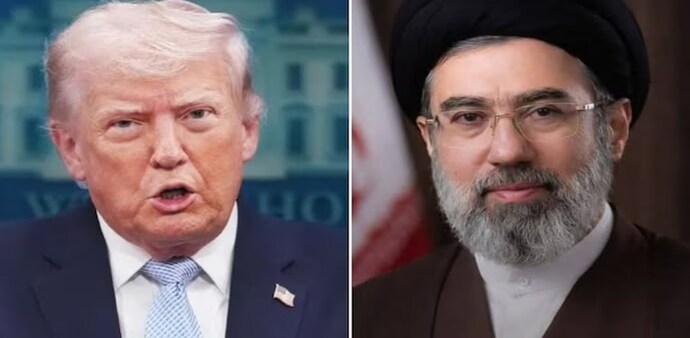
West Asia war: Gulf nations are now reportedly concerned over the ongoing peace talks between the United States and Iran, and are apprehensive about the potential outcomes of these negotiations. Former Russian President Dmitry Medvedev's comments reinforced fears that reopening the Strait of Hormuz may be the most these talks can achieve, potentially falling short of the broader de-escalation deemed essential by Gulf states.
According to a report in Reuters, analysts predict that the upcoming negotiations, scheduled to take place in Islamabad, will focus more on uranium enrichment limits and Iran's strategic leverage over the Strait of Hormuz, rather than on its missile programmes or regional proxies. The Strait is a vital route for global oil shipments, and its significance in these discussions is causing unease among Gulf nations.
“At the end of the day, Hormuz will be the red line,” one Gulf source close to government circles told the news agency, adding: “It wasn’t an issue before. It is now. The goal posts have moved.”
DON'T MISS | Hormuz flashpoint: Indian Navy steps up vigil after ships targeted, issues advisory
Gulf officials have warned that the current diplomatic approach could entrench Iran's control over Middle Eastern energy supplies. This approach prioritises global economic stability but leaves countries in the region vulnerable to energy and security consequences without formal decision-making power.
Concerns are growing that US-Iran diplomacy is increasingly centred on enrichment levels, with a tacit acceptance of Tehran's influence over Hormuz, which accounts for about a fifth of the world's oil supplies. The shift in negotiation priorities, particularly regarding uranium enrichment, is seen as troubling by Gulf officials.
Medvedev's remarks on social media have underscored the strategic importance of the Strait of Hormuz. He said, “It’s not clear how the truce between Washington and Tehran will play out but one thing is certain -- Iran has tested its nuclear weapons. It is called the Strait of Hormuz. Its potential is inexhaustible.”
MUST READ | BT Explainer: Why is Iran saying it has blocked the Hormuz Strait again?
Iranian security officials have echoed this sentiment, describing the Strait as a long-prepared instrument of deterrence and a valuable geopolitical asset.
Analysts have indicated that the focus on Hormuz in negotiations marginalises Gulf security concerns, as discussions are increasingly framed around its global economic impact rather than addressing regional threats such as Iranian missiles and proxies.
Gulf nations have advised caution regarding sanctions relief, advocating for a phased approach to test Iran's behaviour. They emphasise that core threats, including missiles and armed proxies, remain unaddressed.
West Asia war: Gulf nations are now reportedly concerned over the ongoing peace talks between the United States and Iran, and are apprehensive about the potential outcomes of these negotiations. Former Russian President Dmitry Medvedev's comments reinforced fears that reopening the Strait of Hormuz may be the most these talks can achieve, potentially falling short of the broader de-escalation deemed essential by Gulf states.
According to a report in Reuters, analysts predict that the upcoming negotiations, scheduled to take place in Islamabad, will focus more on uranium enrichment limits and Iran's strategic leverage over the Strait of Hormuz, rather than on its missile programmes or regional proxies. The Strait is a vital route for global oil shipments, and its significance in these discussions is causing unease among Gulf nations.
“At the end of the day, Hormuz will be the red line,” one Gulf source close to government circles told the news agency, adding: “It wasn’t an issue before. It is now. The goal posts have moved.”
DON'T MISS | Hormuz flashpoint: Indian Navy steps up vigil after ships targeted, issues advisory
Gulf officials have warned that the current diplomatic approach could entrench Iran's control over Middle Eastern energy supplies. This approach prioritises global economic stability but leaves countries in the region vulnerable to energy and security consequences without formal decision-making power.
Concerns are growing that US-Iran diplomacy is increasingly centred on enrichment levels, with a tacit acceptance of Tehran's influence over Hormuz, which accounts for about a fifth of the world's oil supplies. The shift in negotiation priorities, particularly regarding uranium enrichment, is seen as troubling by Gulf officials.
Medvedev's remarks on social media have underscored the strategic importance of the Strait of Hormuz. He said, “It’s not clear how the truce between Washington and Tehran will play out but one thing is certain -- Iran has tested its nuclear weapons. It is called the Strait of Hormuz. Its potential is inexhaustible.”
MUST READ | BT Explainer: Why is Iran saying it has blocked the Hormuz Strait again?
Iranian security officials have echoed this sentiment, describing the Strait as a long-prepared instrument of deterrence and a valuable geopolitical asset.
Analysts have indicated that the focus on Hormuz in negotiations marginalises Gulf security concerns, as discussions are increasingly framed around its global economic impact rather than addressing regional threats such as Iranian missiles and proxies.
Gulf nations have advised caution regarding sanctions relief, advocating for a phased approach to test Iran's behaviour. They emphasise that core threats, including missiles and armed proxies, remain unaddressed.