
Hormuz crisis by the numbers: Vessel crossings plunge from 93 to 17 as Gulf tensions escalate
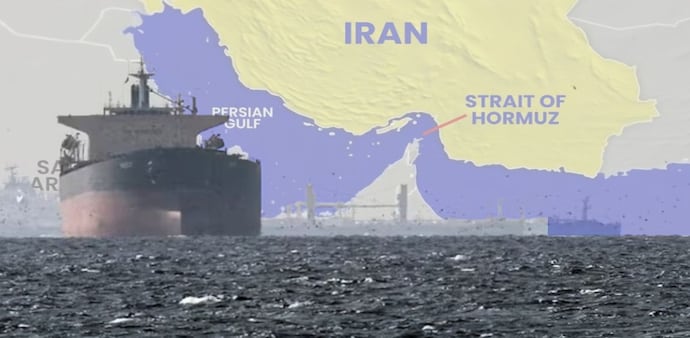
Commercial shipping through the Strait of Hormuz has slowed dramatically as escalating US-Iran tensions trigger fresh security concerns in one of the world's most critical energy chokepoints. New S&P Global data shows vessel crossings have plunged from 93 on June 24 to just 17 on July 13, underscoring the growing disruption to global maritime trade.
- Jul 14, 2026,
- Updated Jul 14, 2026 8:58 PM IST
Commercial shipping through the Strait of Hormuz has slowed dramatically as escalating US-Iran tensions trigger fresh security concerns in one of the world's most critical energy chokepoints. New S&P Global data shows vessel crossings have plunged from 93 on June 24 to just 17 on July 13, underscoring the growing disruption to global maritime trade.
The latest report from S&P Global's Commodities at Sea and Maritime Intelligence platforms paints a stark picture of shipping activity in the Strait of Hormuz, through which nearly one-fifth of the world's oil supply normally passes. While the waterway remains technically open, escalating military action, missile attacks on commercial vessels and renewed US naval operations have prompted many shipowners to avoid the route.
Strait of Hormuz traffic has collapsed
| Date | Total vessel crossings |
|---|---|
| June 24 | 93 |
| July 13 | 17 |
Source: S&P Global Commodities at Sea
Although vessel traffic rose slightly from 11 crossings on July 12 to 17 on July 13, activity remains well below normal levels. The report attributes the slowdown to worsening regional security conditions, including a third consecutive night of US strikes on Iranian military targets and fresh Iranian attacks on commercial shipping.
The composition of vessel traffic has also changed significantly. Of the 17 vessels that transited the Strait on July 13, only two were classified as compliant—a bulk carrier and a container ship, both inbound into the Gulf. Nearly every other vessel sailed close to Iranian waters, highlighting how international shipping companies are becoming increasingly reluctant to use the route.
July 13 traffic snapshot
| Indicator | Number |
|---|---|
| Total vessel crossings | 17 |
| Compliant vessels | 2 |
| Inbound vessels | 9 |
| Outbound vessels | 8 |
Source: S&P Global Commodities at Sea
Despite the slowdown in commercial traffic, Iranian crude exports have remained resilient following the US-Iran peace memorandum signed on June 17. S&P Global estimates that 82.5 million barrels of Iranian crude successfully exited the Middle East Gulf through July 13, averaging 3.17 million barrels per day.
MUST READ: Iran sneaks out oil tankers through Hormuz as threats to ships increase
That recovery, however, could come under renewed pressure. US Central Command has announced that its naval blockade would resume from July 14, raising the prospect of tighter enforcement against vessels linked to Iranian exports. During the previous blockade between April and June, Iranian crude shipments fell sharply, leading to a build-up of floating storage.
Iran nevertheless retains considerable logistical capacity. According to the report, 22 ballast crude tankers with a combined carrying capacity of 36.4 million barrels remain positioned inside the Arabian Gulf and Gulf of Oman, enough to support roughly one month of exports at pre-conflict shipment rates. Another 15 sanctioned crude tankers, with a combined capacity of 22.4 million barrels, are stationed in the Arabian Sea outside the previous blockade line.
Iran's export position
| Metric | Value |
|---|---|
| Crude exported after June 17 peace deal | 82.5 million barrels |
| Average exports | 3.17 million barrels/day |
| Tankers inside Gulf & Gulf of Oman | 22 |
| Carrying capacity | 36.4 million barrels |
| Additional tankers in Arabian Sea | 15 |
Source: S&P Global Commodities at Sea
The sharp fall in vessel movements illustrates how geopolitical tensions can disrupt global trade even without a formal closure of the Strait. While oil exports have so far remained relatively resilient, analysts warn that sustained military escalation and stricter enforcement of the renewed US blockade could further reduce shipping activity, increase freight and insurance costs, and heighten volatility in global energy markets.
MUST READ: Brent crude oil prices rise 13%, hit one-month high; AI stocks tumble
Commercial shipping through the Strait of Hormuz has slowed dramatically as escalating US-Iran tensions trigger fresh security concerns in one of the world's most critical energy chokepoints. New S&P Global data shows vessel crossings have plunged from 93 on June 24 to just 17 on July 13, underscoring the growing disruption to global maritime trade.
The latest report from S&P Global's Commodities at Sea and Maritime Intelligence platforms paints a stark picture of shipping activity in the Strait of Hormuz, through which nearly one-fifth of the world's oil supply normally passes. While the waterway remains technically open, escalating military action, missile attacks on commercial vessels and renewed US naval operations have prompted many shipowners to avoid the route.
Strait of Hormuz traffic has collapsed
| Date | Total vessel crossings |
|---|---|
| June 24 | 93 |
| July 13 | 17 |
Source: S&P Global Commodities at Sea
Although vessel traffic rose slightly from 11 crossings on July 12 to 17 on July 13, activity remains well below normal levels. The report attributes the slowdown to worsening regional security conditions, including a third consecutive night of US strikes on Iranian military targets and fresh Iranian attacks on commercial shipping.
The composition of vessel traffic has also changed significantly. Of the 17 vessels that transited the Strait on July 13, only two were classified as compliant—a bulk carrier and a container ship, both inbound into the Gulf. Nearly every other vessel sailed close to Iranian waters, highlighting how international shipping companies are becoming increasingly reluctant to use the route.
July 13 traffic snapshot
| Indicator | Number |
|---|---|
| Total vessel crossings | 17 |
| Compliant vessels | 2 |
| Inbound vessels | 9 |
| Outbound vessels | 8 |
Source: S&P Global Commodities at Sea
Despite the slowdown in commercial traffic, Iranian crude exports have remained resilient following the US-Iran peace memorandum signed on June 17. S&P Global estimates that 82.5 million barrels of Iranian crude successfully exited the Middle East Gulf through July 13, averaging 3.17 million barrels per day.
MUST READ: Iran sneaks out oil tankers through Hormuz as threats to ships increase
That recovery, however, could come under renewed pressure. US Central Command has announced that its naval blockade would resume from July 14, raising the prospect of tighter enforcement against vessels linked to Iranian exports. During the previous blockade between April and June, Iranian crude shipments fell sharply, leading to a build-up of floating storage.
Iran nevertheless retains considerable logistical capacity. According to the report, 22 ballast crude tankers with a combined carrying capacity of 36.4 million barrels remain positioned inside the Arabian Gulf and Gulf of Oman, enough to support roughly one month of exports at pre-conflict shipment rates. Another 15 sanctioned crude tankers, with a combined capacity of 22.4 million barrels, are stationed in the Arabian Sea outside the previous blockade line.
Iran's export position
| Metric | Value |
|---|---|
| Crude exported after June 17 peace deal | 82.5 million barrels |
| Average exports | 3.17 million barrels/day |
| Tankers inside Gulf & Gulf of Oman | 22 |
| Carrying capacity | 36.4 million barrels |
| Additional tankers in Arabian Sea | 15 |
Source: S&P Global Commodities at Sea
The sharp fall in vessel movements illustrates how geopolitical tensions can disrupt global trade even without a formal closure of the Strait. While oil exports have so far remained relatively resilient, analysts warn that sustained military escalation and stricter enforcement of the renewed US blockade could further reduce shipping activity, increase freight and insurance costs, and heighten volatility in global energy markets.
MUST READ: Brent crude oil prices rise 13%, hit one-month high; AI stocks tumble