
Iran, Oman agree on new Hormuz routes: What it means for oil, ships and global trade
Oman and Iran had earlier agreed to establish a joint temporary navigational corridor and work together on mine clearance. Technical discussions were also planned on a permanent corridor, information-sharing, traffic management and navigation and security services.
- Sep 13, 2026,
- Updated Sep 13, 2026 2:51 PM IST
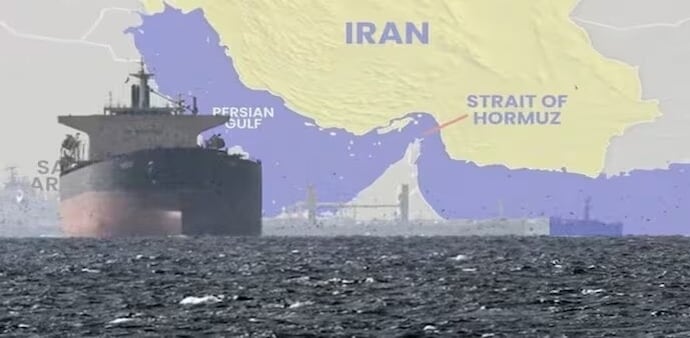
The Strait of Hormuz is still not fully open, but Iran and Oman have taken a step towards creating a controlled passage for commercial vessels through the world's most important oil chokepoint.
Iran and Oman have agreed on the details of new entry and exit routes for ships navigating the Strait of Hormuz, Iranian officials said on September 13. The details are expected to be presented to other Gulf states at a regional meeting in Muscat on September 14.
The development is significant because the agreement does not amount to an immediate reopening of the strait. An Iranian source told the semi-official Tasnim news agency that the arrangement establishes new routes for vessels entering and leaving the Persian Gulf, but Hormuz will remain closed until Tehran's conditions involving the US are met.
What are the new Hormuz routes?
The proposed arrangement builds on an Iran-Oman framework discussed in August for a temporary navigation corridor.
Under the plan, the inbound route would run through Iranian territorial waters, while part of the outbound route would also pass through Iranian waters. Iranian officials previously said the temporary corridor would be about 7 miles (11.3-km) wide.
Oman and Iran had earlier agreed to establish a joint temporary navigational corridor and work together on mine clearance. Technical discussions were also planned on a permanent corridor, information-sharing, traffic management and navigation and security services.
MUST READ | Saudi Arabia shuts key Hormuz oil bypass line after Iraq drone strikes. How it impacts oil?
The key difference is that the latest understanding puts Iran at the centre of traffic management through the proposed corridor. Tehran has also opposed an earlier southern route backed by Washington and Oman, arguing that it infringed on Iranian sovereignty.
How many ships are actually crossing Hormuz?
For global shipping, the agreement comes as traffic through the strait remains dramatically below normal levels.
Before the current conflict, roughly one-fifth of global oil supplies moved through Hormuz. But shipping activity has collapsed since the conflict began. In late August, traffic had fallen from more than 100 vessels a day to around five, according to an analysis based on ship-tracking data.
More vessels have continued to make the crossing despite the risks. Kpler data showed that 112 oil and gas tankers carrying crude, LPG and LNG crossed the strait between August 1 and August 19. Of these, 21 openly used the Iranian route and only two formally used the Omani route, while many others used routes that were not publicly confirmed.
DON'T MISS | Brent climbs past $100 as US-Iran clashes in Strait of Hormuz reignite global energy fears
More recent Reuters data indicates the recovery remains extremely limited: an average of only 10 commodity ships a day crossed Hormuz during a 10-day period in early September, the lowest level since May.
For shipowners, the issue is therefore not simply whether a legal route exists. Insurance, naval threats, mine risks, attacks and uncertainty over which authority controls the route remain major considerations.
Oil prices: why Hormuz matters so much
The disruption has already pushed oil prices sharply higher. Brent crude was on course for a weekly gain of more than 8% as of September 11, while prices remained above $100 a barrel amid concerns over disrupted Gulf supplies. Goldman Sachs has warned that oil could climb as high as $120 a barrel if attacks on Middle Eastern shipping intensify.
The danger extends beyond crude. Hormuz is also a major corridor for LNG and other energy cargoes, meaning prolonged disruption can affect power markets, freight rates, petrochemicals and inflation well beyond the Gulf.
DO CHECKOUT | How long can Iran hold the Hormuz leverage over the US?
The International Energy Agency has also warned that the global oil supply gap could widen if normal Gulf flows take longer to return.
What are the alternatives to Hormuz?
Gulf producers have some alternatives, but none can fully replace the strait. Saudi Arabia's East-West pipeline, also known as Petroline, can transport up to about 7 million barrels per day and allows Saudi crude to reach Red Sea terminals without crossing Hormuz.
The UAE's Abu Dhabi Crude Oil Pipeline, or ADCOP, provides another bypass, carrying roughly 1.5 million barrels per day from Abu Dhabi's Habshan area to Fujairah on the Gulf of Oman.
Together, such routes can cushion the shock but cannot replace the roughly 20% of global oil supplies that normally transit Hormuz.
There is now an additional problem: Saudi Arabia temporarily shut its East-West pipeline after a drone attack, removing one of the most important alternatives just as Hormuz remains constrained. Reuters reported that the pipeline accounts for around 4-5% of global oil supply.
Houthis open another front
The shipping crisis is becoming more complicated because the Houthis in Yemen are threatening the other major maritime chokepoint — Bab el-Mandeb.
FIND WHY | Why Iran won't give up control over Hormuz: West Asia expert explains Tehran's strategy
Iran-aligned Houthi forces reached Perim Island, which sits in the Bab el-Mandeb Strait, on September 11 and also captured or advanced into the coastal town of Dhubab, according to Yemeni government sources cited by Reuters.
That matters because Bab el-Mandeb connects the Red Sea with the Gulf of Aden and is the gateway for vessels travelling between the Indian Ocean and the Suez Canal.
If Hormuz and Bab el-Mandeb are simultaneously threatened, shipping companies face a much narrower set of options. The Iran-Oman understanding offers a potential mechanism for restoring limited commercial traffic, but it is not yet a return to normal navigation.
The Strait of Hormuz is still not fully open, but Iran and Oman have taken a step towards creating a controlled passage for commercial vessels through the world's most important oil chokepoint.
Iran and Oman have agreed on the details of new entry and exit routes for ships navigating the Strait of Hormuz, Iranian officials said on September 13. The details are expected to be presented to other Gulf states at a regional meeting in Muscat on September 14.
The development is significant because the agreement does not amount to an immediate reopening of the strait. An Iranian source told the semi-official Tasnim news agency that the arrangement establishes new routes for vessels entering and leaving the Persian Gulf, but Hormuz will remain closed until Tehran's conditions involving the US are met.
What are the new Hormuz routes?
The proposed arrangement builds on an Iran-Oman framework discussed in August for a temporary navigation corridor.
Under the plan, the inbound route would run through Iranian territorial waters, while part of the outbound route would also pass through Iranian waters. Iranian officials previously said the temporary corridor would be about 7 miles (11.3-km) wide.
Oman and Iran had earlier agreed to establish a joint temporary navigational corridor and work together on mine clearance. Technical discussions were also planned on a permanent corridor, information-sharing, traffic management and navigation and security services.
MUST READ | Saudi Arabia shuts key Hormuz oil bypass line after Iraq drone strikes. How it impacts oil?
The key difference is that the latest understanding puts Iran at the centre of traffic management through the proposed corridor. Tehran has also opposed an earlier southern route backed by Washington and Oman, arguing that it infringed on Iranian sovereignty.
How many ships are actually crossing Hormuz?
For global shipping, the agreement comes as traffic through the strait remains dramatically below normal levels.
Before the current conflict, roughly one-fifth of global oil supplies moved through Hormuz. But shipping activity has collapsed since the conflict began. In late August, traffic had fallen from more than 100 vessels a day to around five, according to an analysis based on ship-tracking data.
More vessels have continued to make the crossing despite the risks. Kpler data showed that 112 oil and gas tankers carrying crude, LPG and LNG crossed the strait between August 1 and August 19. Of these, 21 openly used the Iranian route and only two formally used the Omani route, while many others used routes that were not publicly confirmed.
DON'T MISS | Brent climbs past $100 as US-Iran clashes in Strait of Hormuz reignite global energy fears
More recent Reuters data indicates the recovery remains extremely limited: an average of only 10 commodity ships a day crossed Hormuz during a 10-day period in early September, the lowest level since May.
For shipowners, the issue is therefore not simply whether a legal route exists. Insurance, naval threats, mine risks, attacks and uncertainty over which authority controls the route remain major considerations.
Oil prices: why Hormuz matters so much
The disruption has already pushed oil prices sharply higher. Brent crude was on course for a weekly gain of more than 8% as of September 11, while prices remained above $100 a barrel amid concerns over disrupted Gulf supplies. Goldman Sachs has warned that oil could climb as high as $120 a barrel if attacks on Middle Eastern shipping intensify.
The danger extends beyond crude. Hormuz is also a major corridor for LNG and other energy cargoes, meaning prolonged disruption can affect power markets, freight rates, petrochemicals and inflation well beyond the Gulf.
DO CHECKOUT | How long can Iran hold the Hormuz leverage over the US?
The International Energy Agency has also warned that the global oil supply gap could widen if normal Gulf flows take longer to return.
What are the alternatives to Hormuz?
Gulf producers have some alternatives, but none can fully replace the strait. Saudi Arabia's East-West pipeline, also known as Petroline, can transport up to about 7 million barrels per day and allows Saudi crude to reach Red Sea terminals without crossing Hormuz.
The UAE's Abu Dhabi Crude Oil Pipeline, or ADCOP, provides another bypass, carrying roughly 1.5 million barrels per day from Abu Dhabi's Habshan area to Fujairah on the Gulf of Oman.
Together, such routes can cushion the shock but cannot replace the roughly 20% of global oil supplies that normally transit Hormuz.
There is now an additional problem: Saudi Arabia temporarily shut its East-West pipeline after a drone attack, removing one of the most important alternatives just as Hormuz remains constrained. Reuters reported that the pipeline accounts for around 4-5% of global oil supply.
Houthis open another front
The shipping crisis is becoming more complicated because the Houthis in Yemen are threatening the other major maritime chokepoint — Bab el-Mandeb.
FIND WHY | Why Iran won't give up control over Hormuz: West Asia expert explains Tehran's strategy
Iran-aligned Houthi forces reached Perim Island, which sits in the Bab el-Mandeb Strait, on September 11 and also captured or advanced into the coastal town of Dhubab, according to Yemeni government sources cited by Reuters.
That matters because Bab el-Mandeb connects the Red Sea with the Gulf of Aden and is the gateway for vessels travelling between the Indian Ocean and the Suez Canal.
If Hormuz and Bab el-Mandeb are simultaneously threatened, shipping companies face a much narrower set of options. The Iran-Oman understanding offers a potential mechanism for restoring limited commercial traffic, but it is not yet a return to normal navigation.