
Iran’s Araghchi, Ghalibaf removed from Israel’s hit list on Pakistan’s request: Report
Trump said Iran is desperate to make a deal, while Araghchi said Tehran was reviewing the proposal but had no intention of holding talks to end the conflict.
- Mar 26, 2026,
- Updated Mar 26, 2026 4:17 PM IST
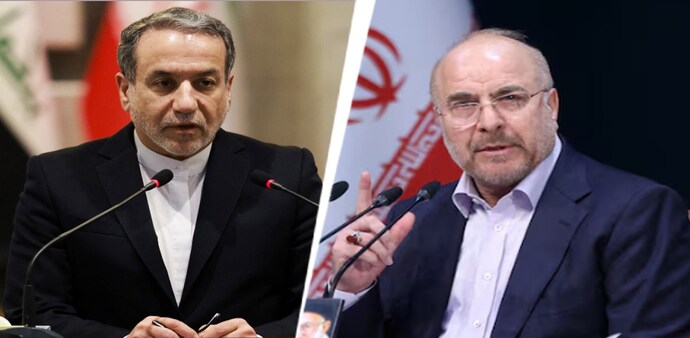
Israel removed Iranian Foreign Minister Abbas Araghchi and Parliamentary Speaker Mohammad Bagher Ghalibaf from its hit list after Pakistan requested Washington not to target them, a Pakistani source familiar with the discussions told Reuters on Thursday.
The source said the Israelis had the coordinates and intended to take them out. Pakistan informed the US that eliminating them would leave no one to talk to, prompting the US to ask Israel to back off. Pakistan's military and foreign office did not immediately respond to requests for comment.
The Wall Street Journal first reported that the two Iranian officials had been temporarily removed from Israel's list as possible peace talks were explored. The officials were removed for up to four or five days, according to US officials cited by the Journal, which did not mention Pakistan's role.
MUST READ | Islamabad emerges as a possible venue for US-Iran talks after Trump pauses strikes
Pakistan, Egypt and Turkey are mediators between Tehran and Washington to end the Iran conflict. Islamabad has maintained direct contact with both sides while most other countries have frozen such channels. It is also seen as a likely venue for peace talks if they occur.
Iran is reviewing a 15-point proposal from Donald Trump, sent through Pakistan, aimed at ending the conflict. The proposal includes removing Iran's stocks of highly enriched uranium, halting enrichment, curbing its ballistic missile programme, and cutting funding for regional allies, according to Israeli cabinet sources.
Trump said Iran is desperate to make a deal, while Araghchi said Tehran was reviewing the proposal but had no intention of holding talks to end the conflict.
The Pakistani source's statement highlights Islamabad's delicate position in the conflict. Its intervention contributed to the temporary reprieve for the Iranian officials, allowing space for potential diplomatic engagement.
In summary, Israel's removal of Araghchi and Ghalibaf from its hit list followed Pakistan's request to the US, reflecting ongoing mediation efforts. Meanwhile, Iran continues to assess the US proposal amid cautious diplomatic exchanges.
Israel removed Iranian Foreign Minister Abbas Araghchi and Parliamentary Speaker Mohammad Bagher Ghalibaf from its hit list after Pakistan requested Washington not to target them, a Pakistani source familiar with the discussions told Reuters on Thursday.
The source said the Israelis had the coordinates and intended to take them out. Pakistan informed the US that eliminating them would leave no one to talk to, prompting the US to ask Israel to back off. Pakistan's military and foreign office did not immediately respond to requests for comment.
The Wall Street Journal first reported that the two Iranian officials had been temporarily removed from Israel's list as possible peace talks were explored. The officials were removed for up to four or five days, according to US officials cited by the Journal, which did not mention Pakistan's role.
MUST READ | Islamabad emerges as a possible venue for US-Iran talks after Trump pauses strikes
Pakistan, Egypt and Turkey are mediators between Tehran and Washington to end the Iran conflict. Islamabad has maintained direct contact with both sides while most other countries have frozen such channels. It is also seen as a likely venue for peace talks if they occur.
Iran is reviewing a 15-point proposal from Donald Trump, sent through Pakistan, aimed at ending the conflict. The proposal includes removing Iran's stocks of highly enriched uranium, halting enrichment, curbing its ballistic missile programme, and cutting funding for regional allies, according to Israeli cabinet sources.
Trump said Iran is desperate to make a deal, while Araghchi said Tehran was reviewing the proposal but had no intention of holding talks to end the conflict.
The Pakistani source's statement highlights Islamabad's delicate position in the conflict. Its intervention contributed to the temporary reprieve for the Iranian officials, allowing space for potential diplomatic engagement.
In summary, Israel's removal of Araghchi and Ghalibaf from its hit list followed Pakistan's request to the US, reflecting ongoing mediation efforts. Meanwhile, Iran continues to assess the US proposal amid cautious diplomatic exchanges.