


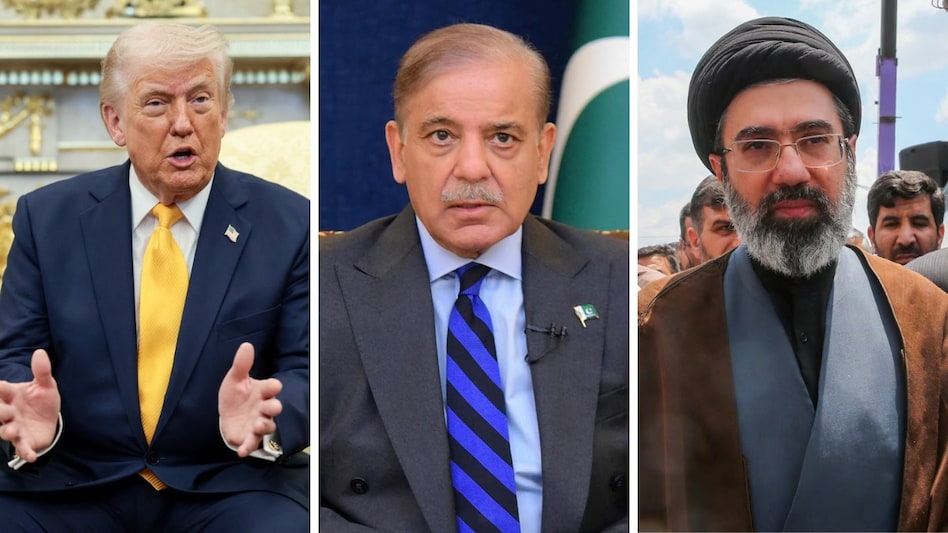
 Pakistan, Turkey and Egypt have been working behind the scenes to bring both sides to the table. (Photos: Reuters)
Efforts to de-escalate tensions between the United States and Iran are beginning to take a clearer shape, with Pakistan emerging as a potential host for direct talks. Israeli officials have indicated that a meeting involving senior US and Iranian representatives could take place in Islamabad as early as this week, according to Reuters.
The development follows US President Donald Trump’s decision to pause strikes on Iran’s energy infrastructure, which he described as the outcome of "productive" engagement, signalling a possible shift towards diplomacy.

 'RBI letter does not mention listing': Noel Tata seeks full briefing on Tata Sons-RBI talks
 Tata Trusts asks Tata Sons to explore options other than listing, says ‘Tata Model has to be saved’
 Tata Trusts proposes ₹25,000 crore plan for SP Group, says Tata Sons listing is not an option
 Chandrasekaran had assured all necessary steps were being taken to remain private: Noel Tata
 'We cannot put the cart before...': Noel Tata's argument against N Chandrasekaran's reappointment
 How India Changed In 12 Years: PM Modi’s Journey From Economic Reforms To Viksit Bharat
 Modi @76: From Twitter To Instagram, How His Digital Outreach Has Evolved
 Stock Picks To Watch: Shibani Kurian Reveals Kotak AMC’s Market Bets
 Gold ETF vs Physical Gold: Know the Tax Rules, Charges and Key Differences
  PPF vs NPS: Tax Benefits, Returns and Lock-in Period Explained for Retirement Planning
 Hero Motors IPO subscribed 3.37 times on Day 2; retail portion subscribed over 5 times
 NSE IPO: India's largest exchange gets 43% subscription on Day 1; NIIs, retail see strong demand
 Rentomojo shares settle maiden trade nearly 32% above IPO price; what should investors do now?
 Sensex slips, Nifty settles higher; Tata stocks gain after N Chandrasekaran reappointment
 Cochin Shipyard, KRBL, RITES, Ramky Infrastructure among stocks to turn ex-dividend on September 18
 ₹11.5 lakh fine after 132 years! Magazine borrowed in 1894 finally returned to library
 From a 10-year-old fashion designer to a 5-year-old yoga instructor: Meet Guinness World Records’ Young Achievers 2027
 Tata Sons listing explained: Why the holding company was required to go public
 Maharashtra FDA action: Nair Hospital canteen, Olympia Coffee House licences suspendedChandrasekaran had assured all necessary steps were being taken to remain private: Noel Tata












