
'Largest oil supply disruption in history': Expert warns as Hormuz crisis hits oil flows amid West Asia war
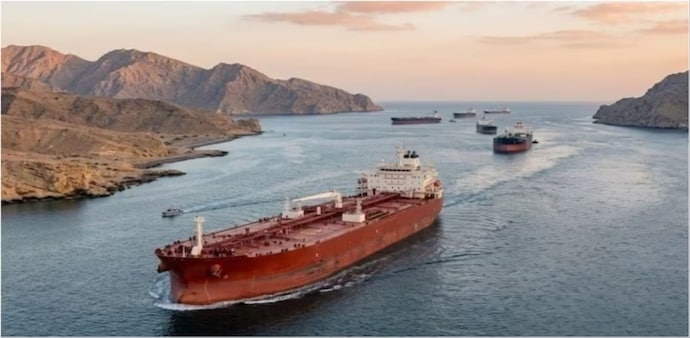
The disruption is being driven by escalating tensions in West Asia and the effective blockage of the Strait of Hormuz, a key artery through which about one-fifth of the world’s traded oil passes
- Mar 20, 2026,
- Updated Mar 20, 2026 11:55 AM IST
A global energy shock is unfolding as the Iran conflict disrupts oil flows, with analysts warning of an unprecedented supply crisis even as the U.S. moves to contain the fallout.
"We are currently experiencing what is the largest oil supply disruption in history," Gregory Brew, a senior analyst at the Eurasia Group, told the Associated Press.
The disruption is being driven by escalating tensions in West Asia and the effective blockage of the Strait of Hormuz, a key artery through which about one-fifth of the world’s traded oil passes. Despite efforts by Washington, prices have remained elevated.
US scrambles to stabilise supply
President Donald Trump has ordered the release of millions of barrels from the U.S. Strategic Petroleum Reserve and temporarily lifted sanctions on Russian oil shipments already at sea. Officials are also considering deploying the U.S. Navy to escort tankers through the Strait, while negotiations are underway with allied nations to secure the route.
Even so, crude prices have surged above $100 per barrel, pushing gasoline prices in the U.S. close to $4 a gallon. The national average has already risen to about $3.88, according to AAA.
Energy prices are expected to remain under pressure. "The Iranian strategy of applying pressure to the United States will continue to play out, and President Trump will continue to feel the pressure," Brew said.
Policy choices under scrutiny
The crisis is also putting scrutiny on Trump’s energy strategy. Since returning to office, he has prioritised fossil fuels while rolling back clean energy initiatives. Analysts say that has left the U.S. more exposed to global supply shocks.
"The biggest short-term losers of the war will be U.S. consumers of oil and gas, as energy prices rise," said Peter Gleick of the Pacific Institute.
"It turns out fossil fuels have their own supply risks, and the administration has no answers," added Tyson Slocum of Public Citizen.
Trump has downplayed the impact, calling the conflict a "very small price to pay" and predicting oil prices "will drop like a rock" once the war ends. He acknowledged that "the economy will go down a little bit" in the short term.
‘Short-term pain’, long-term questions
Energy Secretary Chris Wright said elevated prices could persist for weeks, describing the situation as "short-term pain to solve a long-term problem." He added, "There's no guarantees in wars at all."
The turmoil has also revived calls for a shift away from fossil fuels. U.N. Secretary-General António Guterres said the crisis shows "the fastest path to energy security" lies in renewable energy.
"There are no price spikes for sunlight and no embargoes on the wind,″ he said.
(With inputs from agencies)
A global energy shock is unfolding as the Iran conflict disrupts oil flows, with analysts warning of an unprecedented supply crisis even as the U.S. moves to contain the fallout.
"We are currently experiencing what is the largest oil supply disruption in history," Gregory Brew, a senior analyst at the Eurasia Group, told the Associated Press.
The disruption is being driven by escalating tensions in West Asia and the effective blockage of the Strait of Hormuz, a key artery through which about one-fifth of the world’s traded oil passes. Despite efforts by Washington, prices have remained elevated.
US scrambles to stabilise supply
President Donald Trump has ordered the release of millions of barrels from the U.S. Strategic Petroleum Reserve and temporarily lifted sanctions on Russian oil shipments already at sea. Officials are also considering deploying the U.S. Navy to escort tankers through the Strait, while negotiations are underway with allied nations to secure the route.
Even so, crude prices have surged above $100 per barrel, pushing gasoline prices in the U.S. close to $4 a gallon. The national average has already risen to about $3.88, according to AAA.
Energy prices are expected to remain under pressure. "The Iranian strategy of applying pressure to the United States will continue to play out, and President Trump will continue to feel the pressure," Brew said.
Policy choices under scrutiny
The crisis is also putting scrutiny on Trump’s energy strategy. Since returning to office, he has prioritised fossil fuels while rolling back clean energy initiatives. Analysts say that has left the U.S. more exposed to global supply shocks.
"The biggest short-term losers of the war will be U.S. consumers of oil and gas, as energy prices rise," said Peter Gleick of the Pacific Institute.
"It turns out fossil fuels have their own supply risks, and the administration has no answers," added Tyson Slocum of Public Citizen.
Trump has downplayed the impact, calling the conflict a "very small price to pay" and predicting oil prices "will drop like a rock" once the war ends. He acknowledged that "the economy will go down a little bit" in the short term.
‘Short-term pain’, long-term questions
Energy Secretary Chris Wright said elevated prices could persist for weeks, describing the situation as "short-term pain to solve a long-term problem." He added, "There's no guarantees in wars at all."
The turmoil has also revived calls for a shift away from fossil fuels. U.N. Secretary-General António Guterres said the crisis shows "the fastest path to energy security" lies in renewable energy.
"There are no price spikes for sunlight and no embargoes on the wind,″ he said.
(With inputs from agencies)