
Netanyahu signals Lebanon dialogue as Israel ramps up pressure on Hezbollah
At the heart of the proposed talks lies the question of Hezbollah’s weapons. Israel insists that lasting peace is impossible without the group being stripped of its military capabilities.
- Apr 9, 2026,
- Updated Apr 9, 2026 10:57 PM IST
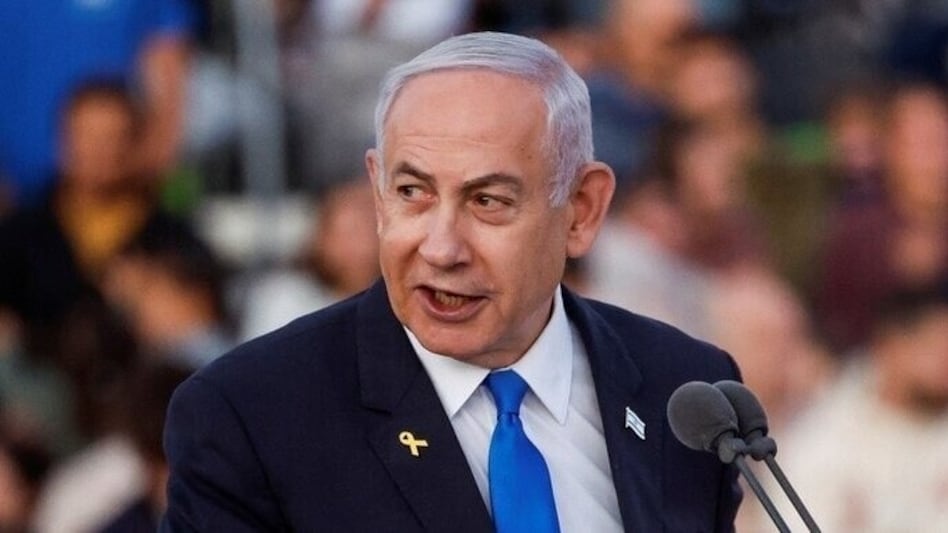
Israeli Prime Minister Benjamin Netanyahu has announced that Israel is preparing to initiate direct talks with Lebanon, with a central focus on dismantling the Iran-backed militant group Hezbollah — marking a potentially significant diplomatic shift even as violence intensifies on the ground.
The proposed negotiations aim to address long-standing security concerns along the Israel-Lebanon border, particularly the presence and military capabilities of Hezbollah, which Israel views as its most immediate northern threat. Netanyahu has made it clear that any meaningful progress in talks would hinge on the group’s disarmament — a demand that has repeatedly surfaced in both military and diplomatic channels.
Talks amid ongoing strikes
Despite the diplomatic overture, Israel has indicated that its military operations against Hezbollah will continue. Airstrikes in Lebanon, including in and around Beirut, have caused significant casualties and displacement, underlining the contradiction between negotiations and continued escalation.
The renewed hostilities trace back to early March, when Hezbollah launched cross-border attacks into Israel, triggering a strong Israeli response. Since then, thousands have been killed or displaced, with humanitarian conditions worsening across Lebanon.
Netanyahu has maintained that the current ceasefire arrangements involving Iran do not extend to Lebanon, effectively separating the Hezbollah conflict from broader regional diplomacy.
Hezbollah disarmament: The core issue
At the heart of the proposed talks lies the question of Hezbollah’s weapons. Israel insists that lasting peace is impossible without the group being stripped of its military capabilities. This aligns with long-standing international demands, including UN-backed frameworks calling for all non-state militias in Lebanon to disarm.
However, Hezbollah has consistently rejected such calls, framing its armed presence as essential for resisting Israel. The group has vowed not to surrender its weapons despite mounting military pressure and internal political challenges within Lebanon.
Lebanon’s position & internal pressures
Lebanon’s leadership has shown cautious openness to dialogue, with officials indicating support for diplomatic efforts that could stabilize the country. At the same time, Beirut faces internal divisions over Hezbollah’s role, with increasing public and political pressure to bring all armed groups under state control.
The Lebanese government has already taken steps to limit Hezbollah’s military autonomy, even declaring its armed actions outside state authority in recent developments — an unprecedented move reflecting shifting domestic sentiment.
Israeli Prime Minister Benjamin Netanyahu has announced that Israel is preparing to initiate direct talks with Lebanon, with a central focus on dismantling the Iran-backed militant group Hezbollah — marking a potentially significant diplomatic shift even as violence intensifies on the ground.
The proposed negotiations aim to address long-standing security concerns along the Israel-Lebanon border, particularly the presence and military capabilities of Hezbollah, which Israel views as its most immediate northern threat. Netanyahu has made it clear that any meaningful progress in talks would hinge on the group’s disarmament — a demand that has repeatedly surfaced in both military and diplomatic channels.
Talks amid ongoing strikes
Despite the diplomatic overture, Israel has indicated that its military operations against Hezbollah will continue. Airstrikes in Lebanon, including in and around Beirut, have caused significant casualties and displacement, underlining the contradiction between negotiations and continued escalation.
The renewed hostilities trace back to early March, when Hezbollah launched cross-border attacks into Israel, triggering a strong Israeli response. Since then, thousands have been killed or displaced, with humanitarian conditions worsening across Lebanon.
Netanyahu has maintained that the current ceasefire arrangements involving Iran do not extend to Lebanon, effectively separating the Hezbollah conflict from broader regional diplomacy.
Hezbollah disarmament: The core issue
At the heart of the proposed talks lies the question of Hezbollah’s weapons. Israel insists that lasting peace is impossible without the group being stripped of its military capabilities. This aligns with long-standing international demands, including UN-backed frameworks calling for all non-state militias in Lebanon to disarm.
However, Hezbollah has consistently rejected such calls, framing its armed presence as essential for resisting Israel. The group has vowed not to surrender its weapons despite mounting military pressure and internal political challenges within Lebanon.
Lebanon’s position & internal pressures
Lebanon’s leadership has shown cautious openness to dialogue, with officials indicating support for diplomatic efforts that could stabilize the country. At the same time, Beirut faces internal divisions over Hezbollah’s role, with increasing public and political pressure to bring all armed groups under state control.
The Lebanese government has already taken steps to limit Hezbollah’s military autonomy, even declaring its armed actions outside state authority in recent developments — an unprecedented move reflecting shifting domestic sentiment.