
Taiwan flashpoint, Iran war, trade deals: Key takeaways from the Trump-Xi Summit
The summit marks Trump’s first visit to China in nearly a decade and comes at a time when both Washington and Beijing are trying to prevent strategic rivalry from spiralling into open confrontation.
- May 14, 2026,
- Updated May 14, 2026 6:37 PM IST
A high-stakes summit between Donald Trump and Xi Jinping in Beijing has put the fragile state of US-China relations back at the centre of global geopolitics, with Taiwan, the Iran war, trade and technology emerging as the biggest flashpoints.
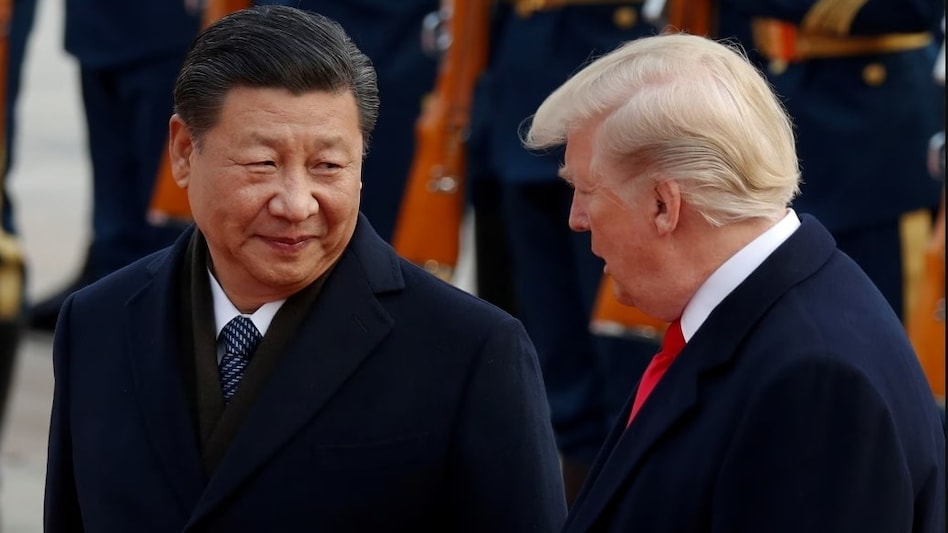
The two leaders met at Beijing’s Great Hall of the People amid escalating tensions in the Middle East and growing concerns over the global economy. The summit marks Trump’s first visit to China in nearly a decade and comes at a time when both Washington and Beijing are trying to prevent strategic rivalry from spiralling into open confrontation.
Taiwan emerges as the most sensitive issue
Taiwan quickly became the defining issue of the summit.
Xi reportedly warned Trump that any “mishandling” of Taiwan could trigger “clashes and even conflicts” between the two powers, underlining Beijing’s long-standing position that the island remains China’s most important “core interest.”
MUST READ | What is the ‘Thucydides Trap’? Why Xi raised it during high-stakes Trump summit
Chinese officials pushed for greater US restraint in military and diplomatic engagement with Taiwan, while the American side attempted to reassure Beijing that Washington’s broader policy framework remains unchanged. Still, the sharp tone of Xi’s remarks reflected growing anxiety in Beijing over rising US-Taiwan cooperation.
Analysts say the Taiwan issue has become increasingly volatile as China expands military pressure around the island and the United States strengthens Indo-Pacific alliances aimed at deterring Chinese aggression.
Iran war reshapes the power balance
The ongoing Iran conflict also loomed large over the talks. Trump reportedly sought Chinese cooperation in stabilising energy markets and ensuring the Strait of Hormuz remains open, as the war continues to disrupt global trade and oil supplies.
DON'T MISS | Iran says Strait of Hormuz open to commercial ships. But there is one major condition
The conflict has altered the diplomatic dynamics between Washington and Beijing. Several analysts believe China currently holds greater leverage because the United States has diverted significant military and political attention toward the Middle East.
Washington has also been pressuring Beijing over allegations that Chinese-linked entities may have indirectly supported Iran through technology transfers, intelligence cooperation or dual-use materials — claims China has denied.
At the same time, Beijing has attempted to project itself as a stabilising global actor, contrasting its diplomatic posture with what Chinese officials describe as aggressive American interventionism.
Trade & technology talks return to centre stage
Despite the strategic tensions, both sides signalled interest in reducing economic friction.
Discussions reportedly included possible Chinese purchases of American agricultural products, energy supplies and Boeing aircraft, while Beijing sought easing of US export restrictions on advanced technology and semiconductors.
Xi also promised that China’s doors would “open wider” to foreign companies, while Trump pushed for “fairer” trade access. China, meanwhile, is believed to be seeking looser US export controls on advanced chips and AI technologies.
Trump arrived in Beijing alongside several high-profile American business leaders, including Elon Musk, Tim Cook and Jensen Huang, highlighting the summit’s strong economic focus.
DO CHECKOUT | 'Empires in decline will stop at nothing...': Iran foreign minister slams US at BRICS Summit
The presence of tech executives underscored how artificial intelligence, semiconductor access and digital infrastructure are now deeply tied to national security discussions between the two countries.
Publicly, both leaders attempted to project optimism.
Xi described the relationship as entering a “new positioning,” calling for “constructive” and “strategically stable” ties with the United States. Trump, meanwhile, characterised the talks as “extremely positive and productive.”
Xi revived discussion of the so-called “Thucydides Trap” — the theory that conflict becomes likely when a rising power challenges an established superpower. By invoking the phrase, Xi signalled Beijing’s concern that strategic rivalry with Washington could spiral into direct confrontation if competition is not carefully managed.
A high-stakes summit between Donald Trump and Xi Jinping in Beijing has put the fragile state of US-China relations back at the centre of global geopolitics, with Taiwan, the Iran war, trade and technology emerging as the biggest flashpoints.
The two leaders met at Beijing’s Great Hall of the People amid escalating tensions in the Middle East and growing concerns over the global economy. The summit marks Trump’s first visit to China in nearly a decade and comes at a time when both Washington and Beijing are trying to prevent strategic rivalry from spiralling into open confrontation.
Taiwan emerges as the most sensitive issue
Taiwan quickly became the defining issue of the summit.
Xi reportedly warned Trump that any “mishandling” of Taiwan could trigger “clashes and even conflicts” between the two powers, underlining Beijing’s long-standing position that the island remains China’s most important “core interest.”
MUST READ | What is the ‘Thucydides Trap’? Why Xi raised it during high-stakes Trump summit
Chinese officials pushed for greater US restraint in military and diplomatic engagement with Taiwan, while the American side attempted to reassure Beijing that Washington’s broader policy framework remains unchanged. Still, the sharp tone of Xi’s remarks reflected growing anxiety in Beijing over rising US-Taiwan cooperation.
Analysts say the Taiwan issue has become increasingly volatile as China expands military pressure around the island and the United States strengthens Indo-Pacific alliances aimed at deterring Chinese aggression.
Iran war reshapes the power balance
The ongoing Iran conflict also loomed large over the talks. Trump reportedly sought Chinese cooperation in stabilising energy markets and ensuring the Strait of Hormuz remains open, as the war continues to disrupt global trade and oil supplies.
DON'T MISS | Iran says Strait of Hormuz open to commercial ships. But there is one major condition
The conflict has altered the diplomatic dynamics between Washington and Beijing. Several analysts believe China currently holds greater leverage because the United States has diverted significant military and political attention toward the Middle East.
Washington has also been pressuring Beijing over allegations that Chinese-linked entities may have indirectly supported Iran through technology transfers, intelligence cooperation or dual-use materials — claims China has denied.
At the same time, Beijing has attempted to project itself as a stabilising global actor, contrasting its diplomatic posture with what Chinese officials describe as aggressive American interventionism.
Trade & technology talks return to centre stage
Despite the strategic tensions, both sides signalled interest in reducing economic friction.
Discussions reportedly included possible Chinese purchases of American agricultural products, energy supplies and Boeing aircraft, while Beijing sought easing of US export restrictions on advanced technology and semiconductors.
Xi also promised that China’s doors would “open wider” to foreign companies, while Trump pushed for “fairer” trade access. China, meanwhile, is believed to be seeking looser US export controls on advanced chips and AI technologies.
Trump arrived in Beijing alongside several high-profile American business leaders, including Elon Musk, Tim Cook and Jensen Huang, highlighting the summit’s strong economic focus.
DO CHECKOUT | 'Empires in decline will stop at nothing...': Iran foreign minister slams US at BRICS Summit
The presence of tech executives underscored how artificial intelligence, semiconductor access and digital infrastructure are now deeply tied to national security discussions between the two countries.
Publicly, both leaders attempted to project optimism.
Xi described the relationship as entering a “new positioning,” calling for “constructive” and “strategically stable” ties with the United States. Trump, meanwhile, characterised the talks as “extremely positive and productive.”
Xi revived discussion of the so-called “Thucydides Trap” — the theory that conflict becomes likely when a rising power challenges an established superpower. By invoking the phrase, Xi signalled Beijing’s concern that strategic rivalry with Washington could spiral into direct confrontation if competition is not carefully managed.