
‘Tolerate $200 oil’: IRGC warns Gulf states to rein in US, Israel as West Asia war escalates
The warning comes at a time when oil markets are already rattled by escalating hostilities involving the United States, Israel and Iran. Brent crude has surged toward $120 per barrel, its highest level in years, as traders price in the risk of supply disruptions across the Gulf region.
- Mar 9, 2026,
- Updated Mar 9, 2026 2:40 PM IST
As the conflict in West Asia intensifies, Iran’s powerful Islamic Revolutionary Guard Corps (IRGC) has warned that global oil prices could surge beyond $200 per barrel if regional countries fail to rein in the United States and its allies, underscoring the growing risk of a major energy shock.
Speaking on Iranian state television, Ebrahim Zolfaghari, a spokesperson for the IRGC, cautioned neighboring governments that continued strikes on Iranian infrastructure could trigger wider regional retaliation that would directly disrupt global energy supplies. “If you can tolerate oil at more than $200 per barrel, continue this game,” he said, urging Islamic countries to pressure Washington and Tel Aviv to halt military operations.
The warning comes at a time when oil markets are already rattled by escalating hostilities involving the United States, Israel and Iran. Brent crude has surged toward $120 per barrel, its highest level in years, as traders price in the risk of supply disruptions across the Gulf region.
Energy markets on edge
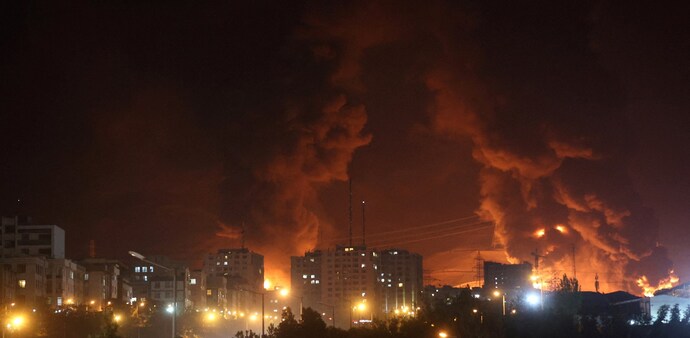
The IRGC’s remarks reflect a growing willingness by Tehran to weaponise energy flows in response to attacks on its military and energy facilities. Iranian officials have suggested that retaliation could extend beyond military targets to include energy infrastructure across the region — a move that could disrupt exports from major producers.
Such threats carry enormous implications because the Strait of Hormuz, the narrow maritime passage between Iran and Oman, handles roughly one-fifth of the world’s oil shipments. Any prolonged disruption to the waterway could choke supplies from major exporters such as Saudi Arabia, Iraq, Kuwait and the United Arab Emirates, sending prices sharply higher.
Even the possibility of a blockade has historically triggered market volatility. Analysts warn that a sustained closure or widespread attacks on regional infrastructure could remove millions of barrels of oil from global markets, pushing prices well into triple digits and potentially toward the $200 mark.
Escalating geopolitical pressure
The latest warning also highlights Iran’s attempt to pressure Gulf countries diplomatically. By urging neighboring states to “restrain” Washington, Tehran appears to be signaling that regional governments could face economic consequences if the conflict widens.
At the same time, the United States has sought to downplay the longer-term impact of the price surge. President Donald Trump has argued that higher oil prices are a temporary cost worth paying if it leads to the elimination of Iran’s nuclear threat.
However, the sharp rise in energy prices has already prompted concern among policymakers. The Group of Seven (G7) nations are reportedly discussing the possibility of releasing emergency oil reserves to stabilise markets if disruptions worsen.
A looming global economic risk
Energy analysts warn that oil approaching $200 per barrel would have profound consequences for the global economy. Such a spike could trigger inflation, push up transportation and manufacturing costs, and slow economic growth across energy-importing nations.
With the West Asia conflict widening and vital shipping routes under threat, markets are bracing for further turbulence. For now, traders say the biggest variable remains whether the fighting spreads to the region’s oil infrastructure — a development that could rapidly transform geopolitical tensions into a full-blown global energy crisis.
As the conflict in West Asia intensifies, Iran’s powerful Islamic Revolutionary Guard Corps (IRGC) has warned that global oil prices could surge beyond $200 per barrel if regional countries fail to rein in the United States and its allies, underscoring the growing risk of a major energy shock.
Speaking on Iranian state television, Ebrahim Zolfaghari, a spokesperson for the IRGC, cautioned neighboring governments that continued strikes on Iranian infrastructure could trigger wider regional retaliation that would directly disrupt global energy supplies. “If you can tolerate oil at more than $200 per barrel, continue this game,” he said, urging Islamic countries to pressure Washington and Tel Aviv to halt military operations.
The warning comes at a time when oil markets are already rattled by escalating hostilities involving the United States, Israel and Iran. Brent crude has surged toward $120 per barrel, its highest level in years, as traders price in the risk of supply disruptions across the Gulf region.
Energy markets on edge
The IRGC’s remarks reflect a growing willingness by Tehran to weaponise energy flows in response to attacks on its military and energy facilities. Iranian officials have suggested that retaliation could extend beyond military targets to include energy infrastructure across the region — a move that could disrupt exports from major producers.
Such threats carry enormous implications because the Strait of Hormuz, the narrow maritime passage between Iran and Oman, handles roughly one-fifth of the world’s oil shipments. Any prolonged disruption to the waterway could choke supplies from major exporters such as Saudi Arabia, Iraq, Kuwait and the United Arab Emirates, sending prices sharply higher.
Even the possibility of a blockade has historically triggered market volatility. Analysts warn that a sustained closure or widespread attacks on regional infrastructure could remove millions of barrels of oil from global markets, pushing prices well into triple digits and potentially toward the $200 mark.
Escalating geopolitical pressure
The latest warning also highlights Iran’s attempt to pressure Gulf countries diplomatically. By urging neighboring states to “restrain” Washington, Tehran appears to be signaling that regional governments could face economic consequences if the conflict widens.
At the same time, the United States has sought to downplay the longer-term impact of the price surge. President Donald Trump has argued that higher oil prices are a temporary cost worth paying if it leads to the elimination of Iran’s nuclear threat.
However, the sharp rise in energy prices has already prompted concern among policymakers. The Group of Seven (G7) nations are reportedly discussing the possibility of releasing emergency oil reserves to stabilise markets if disruptions worsen.
A looming global economic risk
Energy analysts warn that oil approaching $200 per barrel would have profound consequences for the global economy. Such a spike could trigger inflation, push up transportation and manufacturing costs, and slow economic growth across energy-importing nations.
With the West Asia conflict widening and vital shipping routes under threat, markets are bracing for further turbulence. For now, traders say the biggest variable remains whether the fighting spreads to the region’s oil infrastructure — a development that could rapidly transform geopolitical tensions into a full-blown global energy crisis.