
UN wanted countries to protect commercial shipping in Hormuz. China, Russia vetoed plan
The US ambassador to the United Nations, Mike Waltz, condemned the vetoes by Russia and China. He stated the vetoes represented "a new low".
- Apr 8, 2026,
- Updated Apr 8, 2026 8:08 AM IST
China and Russia vetoed a United Nations resolution on Tuesday that encouraged states to coordinate efforts to protect commercial shipping in the Strait of Hormuz. Both countries described the measure as biased against Iran, while the United States called on responsible nations to join in securing the waterway.
The 15-member Security Council voted 11 in favour of the resolution presented by Bahrain, with China and Russia opposing and two members abstaining. The resolution aimed to promote defensive measures to ensure the safety and security of navigation through the Strait of Hormuz.
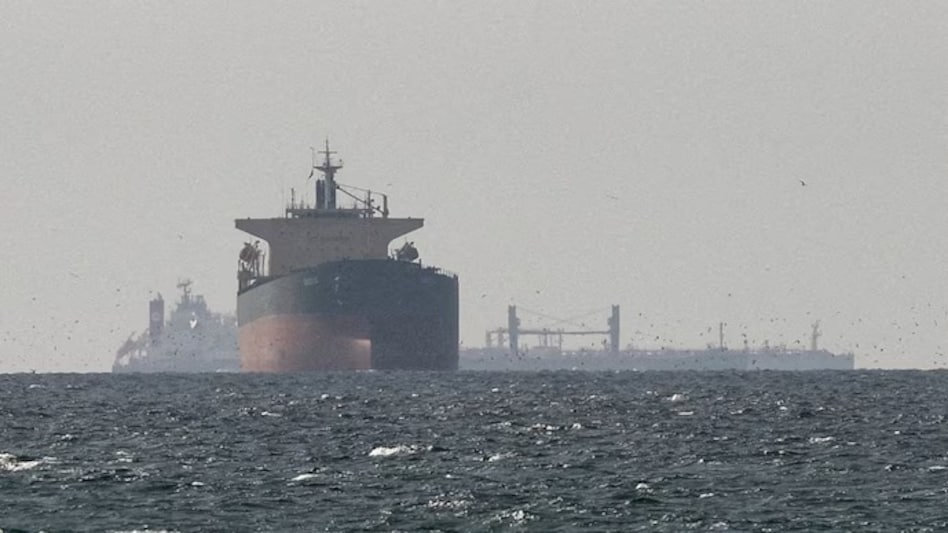
The strait has been largely closed by Tehran, disrupting a key route used for about one-fifth of global oil and liquefied natural gas shipments. Since the US and Israel struck Iran at the end of February, oil prices have surged amid ongoing conflict that has lasted more than five weeks.
Bahrain's Foreign Minister Abdullatif bin Rashid Al Zayani confirmed that the draft resolution was not adopted due to the negative vote of a permanent Security Council member.
DON'T MISS | Trump's shifting Hormuz deadlines: From 48 hours to Tuesday - what's next?
The US ambassador to the United Nations, Mike Waltz, condemned the vetoes by Russia and China. He stated the vetoes represented "a new low" as Iran's closure of the strait was preventing medical aid and supplies from reaching humanitarian crises in the Congo, Sudan, and Gaza. France expressed disappointment over the vetoes. Its UN ambassador, Jerome Bonnafont, said the resolution aimed to encourage strictly defensive measures to provide security without escalating tensions.
China and Russia argued that the resolution was biased against Iran. China’s UN envoy Fu Cong said adopting the draft amid US threats to civilisation would send the wrong message. Russia’s ambassador Vasily Nebenzya said they were proposing an alternative resolution calling for de-escalation and a return to diplomacy. China’s foreign ministry emphasised the need to ease tensions and resume talks rather than endorse acts of war.
MUST READ | Hormuz crisis: Can Rajasthan’s Thar desert oilfields cushion India from supply shock?
Iran’s UN Ambassador Amir Saeid Iravani praised the vetoes, saying they prevented misuse of the Security Council to legitimise aggression. He added that the UN secretary-general’s envoy was en route to Tehran to pursue consultations aimed at ending the conflict.
Meanwhile, US President Donald Trump has agreed to a two-week ceasefire with Iran just under two hours before his deadline for Tehran to reopen the Strait of Hormuz. Iran announced that talks between the United States and Iran would start on Friday in Islamabad, Pakistan.
China and Russia vetoed a United Nations resolution on Tuesday that encouraged states to coordinate efforts to protect commercial shipping in the Strait of Hormuz. Both countries described the measure as biased against Iran, while the United States called on responsible nations to join in securing the waterway.
The 15-member Security Council voted 11 in favour of the resolution presented by Bahrain, with China and Russia opposing and two members abstaining. The resolution aimed to promote defensive measures to ensure the safety and security of navigation through the Strait of Hormuz.
The strait has been largely closed by Tehran, disrupting a key route used for about one-fifth of global oil and liquefied natural gas shipments. Since the US and Israel struck Iran at the end of February, oil prices have surged amid ongoing conflict that has lasted more than five weeks.
Bahrain's Foreign Minister Abdullatif bin Rashid Al Zayani confirmed that the draft resolution was not adopted due to the negative vote of a permanent Security Council member.
DON'T MISS | Trump's shifting Hormuz deadlines: From 48 hours to Tuesday - what's next?
The US ambassador to the United Nations, Mike Waltz, condemned the vetoes by Russia and China. He stated the vetoes represented "a new low" as Iran's closure of the strait was preventing medical aid and supplies from reaching humanitarian crises in the Congo, Sudan, and Gaza. France expressed disappointment over the vetoes. Its UN ambassador, Jerome Bonnafont, said the resolution aimed to encourage strictly defensive measures to provide security without escalating tensions.
China and Russia argued that the resolution was biased against Iran. China’s UN envoy Fu Cong said adopting the draft amid US threats to civilisation would send the wrong message. Russia’s ambassador Vasily Nebenzya said they were proposing an alternative resolution calling for de-escalation and a return to diplomacy. China’s foreign ministry emphasised the need to ease tensions and resume talks rather than endorse acts of war.
MUST READ | Hormuz crisis: Can Rajasthan’s Thar desert oilfields cushion India from supply shock?
Iran’s UN Ambassador Amir Saeid Iravani praised the vetoes, saying they prevented misuse of the Security Council to legitimise aggression. He added that the UN secretary-general’s envoy was en route to Tehran to pursue consultations aimed at ending the conflict.
Meanwhile, US President Donald Trump has agreed to a two-week ceasefire with Iran just under two hours before his deadline for Tehran to reopen the Strait of Hormuz. Iran announced that talks between the United States and Iran would start on Friday in Islamabad, Pakistan.