
Explained: How Mojtaba Khamenei survived a US-Israel missile strike by seconds
Mojtaba Khamenei, the son of Iran's Supreme Leader Ayatollah Ali Khamenei, has long been viewed as a powerful but low-profile figure within Iran's political and security establishment.
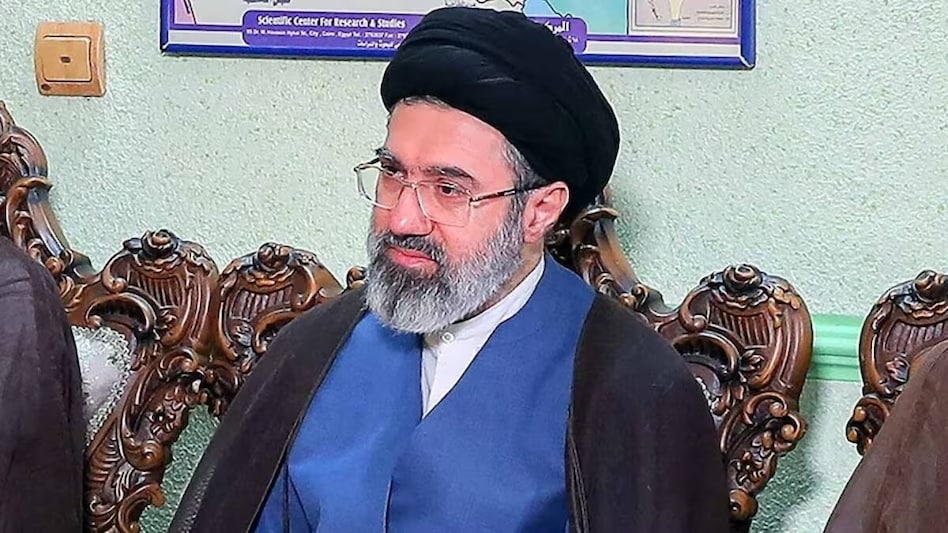
- Mar 17, 2026,
- Updated Mar 17, 2026 11:51 AM IST
Mojtaba Khamenei's narrow escape during the US-Israel strike on Tehran has drawn global attention, with emerging details suggesting that a matter of seconds separated him from the fate that killed his father, Iran's Supreme Leader Ayatollah Ali Khamenei.
Who is Iran's newly appointed Supreme Leader Mojtaba Khamenei
Mojtaba Khamenei, the son of Iran's Supreme Leader Ayatollah Ali Khamenei, has long been viewed as a powerful but low-profile figure within Iran's political and security establishment. Though he has not previously held an elected public office, Mojtaba Khamenei has been considered a powerful figure within Iran's political and security establishment, with deep influence across the Islamic Revolutionary Guard Corps and clerical networks.
What happened during the strike
The missile strike, carried out amid escalating tensions between Iran, Israel and the United States, targeted a high-security compound in Tehran. The attack resulted in the deaths of several senior figures, including Ali Khamenei, and caused extensive damage to the complex. Reports indicate that both his father and his wife were among those who did not survive the strike, along with several senior officers and close associates.
According to accounts emerging from officials, the strike hit shortly after Mojtaba Khamenei had stepped away from the main structure. "God's will was that Mojtaba had to go out to the yard to do something and then return," Mazaher Hosseini, head of protocol for Khamenei's office, reportedly told Iranian officials in a private meeting cited by The Telegraph.
"He was outside and was heading upstairs when they struck the building with a missile," Hosseini reportedly said. Soon after he left the building, Israeli Blue Sparrow ballistic missiles hit the compound, killing Ayatollah Ali Khamenei and dozens of senior officers and relatives, the report said. The scale of destruction indicates that those inside the main structure had little chance of survival.
How Mojtaba Khamenei survived
According to details cited in reports, Mojtaba Khamenei stepped out of the main building moments before the strike hit. A key account noted that he had moved into an open area shortly before impact, effectively saving his life.
As one report described, he had "stepped into the garden" just before the missiles struck, a brief movement that proved decisive.
Despite surviving, Mojtaba Khamenei is believed to have sustained injuries during the attack, including to his legs, which may explain his absence from public appearances since the strike.
Why he was targeted and impact of the strike
Mojtaba Khamenei was a key target given his perceived role in Iran’s future leadership. Eliminating or weakening such figures could significantly disrupt the country’s command structure during an already volatile period. The strike reportedly led to multiple casualties within the compound, including close family members and senior officials, intensifying geopolitical tensions across the region. The incident has further fuelled uncertainty around Iran's leadership stability and raised concerns about a broader escalation in West Asia.
Mojtaba Khamenei's narrow escape during the US-Israel strike on Tehran has drawn global attention, with emerging details suggesting that a matter of seconds separated him from the fate that killed his father, Iran's Supreme Leader Ayatollah Ali Khamenei.
Who is Iran's newly appointed Supreme Leader Mojtaba Khamenei
Mojtaba Khamenei, the son of Iran's Supreme Leader Ayatollah Ali Khamenei, has long been viewed as a powerful but low-profile figure within Iran's political and security establishment. Though he has not previously held an elected public office, Mojtaba Khamenei has been considered a powerful figure within Iran's political and security establishment, with deep influence across the Islamic Revolutionary Guard Corps and clerical networks.
What happened during the strike
The missile strike, carried out amid escalating tensions between Iran, Israel and the United States, targeted a high-security compound in Tehran. The attack resulted in the deaths of several senior figures, including Ali Khamenei, and caused extensive damage to the complex. Reports indicate that both his father and his wife were among those who did not survive the strike, along with several senior officers and close associates.
According to accounts emerging from officials, the strike hit shortly after Mojtaba Khamenei had stepped away from the main structure. "God's will was that Mojtaba had to go out to the yard to do something and then return," Mazaher Hosseini, head of protocol for Khamenei's office, reportedly told Iranian officials in a private meeting cited by The Telegraph.
"He was outside and was heading upstairs when they struck the building with a missile," Hosseini reportedly said. Soon after he left the building, Israeli Blue Sparrow ballistic missiles hit the compound, killing Ayatollah Ali Khamenei and dozens of senior officers and relatives, the report said. The scale of destruction indicates that those inside the main structure had little chance of survival.
How Mojtaba Khamenei survived
According to details cited in reports, Mojtaba Khamenei stepped out of the main building moments before the strike hit. A key account noted that he had moved into an open area shortly before impact, effectively saving his life.
As one report described, he had "stepped into the garden" just before the missiles struck, a brief movement that proved decisive.
Despite surviving, Mojtaba Khamenei is believed to have sustained injuries during the attack, including to his legs, which may explain his absence from public appearances since the strike.
Why he was targeted and impact of the strike
Mojtaba Khamenei was a key target given his perceived role in Iran’s future leadership. Eliminating or weakening such figures could significantly disrupt the country’s command structure during an already volatile period. The strike reportedly led to multiple casualties within the compound, including close family members and senior officials, intensifying geopolitical tensions across the region. The incident has further fuelled uncertainty around Iran's leadership stability and raised concerns about a broader escalation in West Asia.