
Will Hormuz crossings cost more? Iran considers tolls on global shipping route
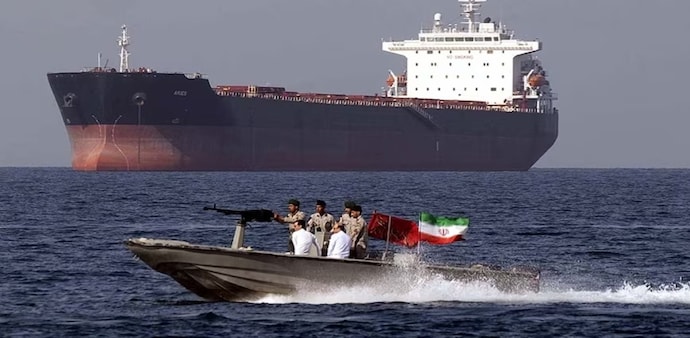
Iran has restricted maritime traffic through Hormuz for vessels it says are linked to the US, Israel, and their allies
- Mar 19, 2026,
- Updated Mar 19, 2026 4:57 PM IST
Iran is considering imposing transit fees on vessels passing through the Strait of Hormuz, Reuters reported on Thursday, citing a lawmaker.
The parliament was reviewing a proposal to levy tolls on ships using the strait for shipping, energy transit, and food supplies, according to the Iranian Students' News Agency.
Also read: How the War in West Asia is affecting the Indian economy
The move comes as Tehran continues to assert control over Hormuz amid its ongoing conflict with the United States and Israel.
Since the start of the war, Iran has restricted maritime traffic through Hormuz for vessels it says are linked to the US, Israel, and their allies.
The Strait of Hormuz handles roughly one-fifth of global oil and liquefied natural gas flows, making any restriction or pricing mechanism significant for global trade.
The proposed bill would require countries using the route to pay taxes and transit fees, effectively turning control of the strait into a source of revenue and leverage, the report said.
An adviser to Iran's supreme leader indicated that the move could be part of a broader policy shift after the conflict. "A new regime for the Strait of Hormuz" will follow the war's eventual end, allowing Tehran to apply maritime restrictions on states that have sanctioned it.
"By using the strategic position of the Strait of Hormuz, we can sanction (the West) and prevent their ships from passing through this waterway," Mohammad Mokhber said on Thursday, according to Mehr news agency.
Iran is considering imposing transit fees on vessels passing through the Strait of Hormuz, Reuters reported on Thursday, citing a lawmaker.
The parliament was reviewing a proposal to levy tolls on ships using the strait for shipping, energy transit, and food supplies, according to the Iranian Students' News Agency.
Also read: How the War in West Asia is affecting the Indian economy
The move comes as Tehran continues to assert control over Hormuz amid its ongoing conflict with the United States and Israel.
Since the start of the war, Iran has restricted maritime traffic through Hormuz for vessels it says are linked to the US, Israel, and their allies.
The Strait of Hormuz handles roughly one-fifth of global oil and liquefied natural gas flows, making any restriction or pricing mechanism significant for global trade.
The proposed bill would require countries using the route to pay taxes and transit fees, effectively turning control of the strait into a source of revenue and leverage, the report said.
An adviser to Iran's supreme leader indicated that the move could be part of a broader policy shift after the conflict. "A new regime for the Strait of Hormuz" will follow the war's eventual end, allowing Tehran to apply maritime restrictions on states that have sanctioned it.
"By using the strategic position of the Strait of Hormuz, we can sanction (the West) and prevent their ships from passing through this waterway," Mohammad Mokhber said on Thursday, according to Mehr news agency.