
‘2 out of 3 canteens didn't have licence’: Tukaram Mundhe on why Maharashtra FDA raided Bombay High Court
BT India @ 100: During the interview, Mundhe was also asked about the perception that he is sometimes seen as “arrogant” and about remarks questioning whether his enforcement approach involves using excessive force against relatively small violations
- Aug 21, 2026,
- Updated Aug 21, 2026 3:23 PM IST
BT India @ 100: Maharashtra Food and Drug Administration (FDA) commissioner Tukaram Mundhe has explained why his department inspected canteens at the Bombay High Court, saying the action followed questions over whether food-safety enforcement was being carried out only against private establishments.
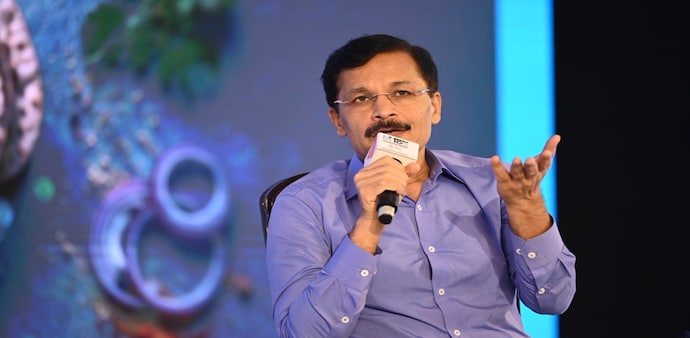
In a conversation with India Today's Preeti Choudhry at Business Today's India @ 100 event, Mundhe said the inspection was prompted by a discussion during a court hearing, where questions were raised about whether the FDA was also acting against government and semi-government establishments.
‘Have you inspected the High Court canteen?’
Mundhe said he was not personally present during the hearing, but his lawyer, FDA officers and the government leader representing the state were present. After the hearing, the government leader briefed Mundhe about the questions raised in court.
“She briefed me that during the hearing, the questions were raised whether you are taking action against only private or you are taking action against the establishment of government and semi-government,” Mundhe said. He added that the FDA had data to support its enforcement actions across different types of establishments.
During the discussion, Mundhe was asked whether the FDA had inspected the Mantralaya canteen. He said it had already been inspected. The next question was whether the Bombay High Court canteen had also been inspected.
“We have not done that,” Mundhe recalled saying.
According to Mundhe, the court then expressed that the High Court canteen should also be visited. His team subsequently carried out the inspection the following day.
Two High Court canteens found without licences
Explaining what the FDA found during the inspection, Mundhe said there were three canteens at the High Court.
“Three canteens” were identified, he said, adding that one or two of them were found to be operating without the required licence.
“In the High Court, there were two canteens which were running without a licence,” Mundhe said.
The inspection thus became an example of the FDA's approach of extending food-safety checks beyond private establishments to government and semi-government premises as well.
‘I challenge myself, nobody else’
During the interview, Mundhe was also asked about the perception that he is sometimes seen as “arrogant” and about remarks questioning whether his enforcement approach involves using excessive force against relatively small violations.
When asked whether he likes being challenged, Mundhe gave a brief response: “I challenge myself, nobody else.”
The comment came in the context of questions over his enforcement style and the scrutiny surrounding FDA raids.
These are realities of India
The discussion also touched upon observations made by the courts about the practical realities of enforcing regulations in India.
Mundhe acknowledged the broader challenge, responding to the remark that “This is India. These are realities of India.”
His explanation of the Bombay High Court inspection, however, underscored his position that food-safety rules should apply consistently, irrespective of whether an establishment is privately or government-operated.
The High Court canteen inspection, he said, was not planned as a targeted action against the court. Rather, it followed questions raised during a hearing about the scope of FDA inspections and whether government establishments were being subjected to the same scrutiny as private ones.
Watch the full conversation here:
India@2047: Blueprint for a Developed Nation
BT India @ 100: Maharashtra Food and Drug Administration (FDA) commissioner Tukaram Mundhe has explained why his department inspected canteens at the Bombay High Court, saying the action followed questions over whether food-safety enforcement was being carried out only against private establishments.
In a conversation with India Today's Preeti Choudhry at Business Today's India @ 100 event, Mundhe said the inspection was prompted by a discussion during a court hearing, where questions were raised about whether the FDA was also acting against government and semi-government establishments.
‘Have you inspected the High Court canteen?’
Mundhe said he was not personally present during the hearing, but his lawyer, FDA officers and the government leader representing the state were present. After the hearing, the government leader briefed Mundhe about the questions raised in court.
“She briefed me that during the hearing, the questions were raised whether you are taking action against only private or you are taking action against the establishment of government and semi-government,” Mundhe said. He added that the FDA had data to support its enforcement actions across different types of establishments.
During the discussion, Mundhe was asked whether the FDA had inspected the Mantralaya canteen. He said it had already been inspected. The next question was whether the Bombay High Court canteen had also been inspected.
“We have not done that,” Mundhe recalled saying.
According to Mundhe, the court then expressed that the High Court canteen should also be visited. His team subsequently carried out the inspection the following day.
Two High Court canteens found without licences
Explaining what the FDA found during the inspection, Mundhe said there were three canteens at the High Court.
“Three canteens” were identified, he said, adding that one or two of them were found to be operating without the required licence.
“In the High Court, there were two canteens which were running without a licence,” Mundhe said.
The inspection thus became an example of the FDA's approach of extending food-safety checks beyond private establishments to government and semi-government premises as well.
‘I challenge myself, nobody else’
During the interview, Mundhe was also asked about the perception that he is sometimes seen as “arrogant” and about remarks questioning whether his enforcement approach involves using excessive force against relatively small violations.
When asked whether he likes being challenged, Mundhe gave a brief response: “I challenge myself, nobody else.”
The comment came in the context of questions over his enforcement style and the scrutiny surrounding FDA raids.
These are realities of India
The discussion also touched upon observations made by the courts about the practical realities of enforcing regulations in India.
Mundhe acknowledged the broader challenge, responding to the remark that “This is India. These are realities of India.”
His explanation of the Bombay High Court inspection, however, underscored his position that food-safety rules should apply consistently, irrespective of whether an establishment is privately or government-operated.
The High Court canteen inspection, he said, was not planned as a targeted action against the court. Rather, it followed questions raised during a hearing about the scope of FDA inspections and whether government establishments were being subjected to the same scrutiny as private ones.
Watch the full conversation here:
India@2047: Blueprint for a Developed Nation