


 US eases tariff threat against India and China, US sanctions on Russia oil, Russia oil buying
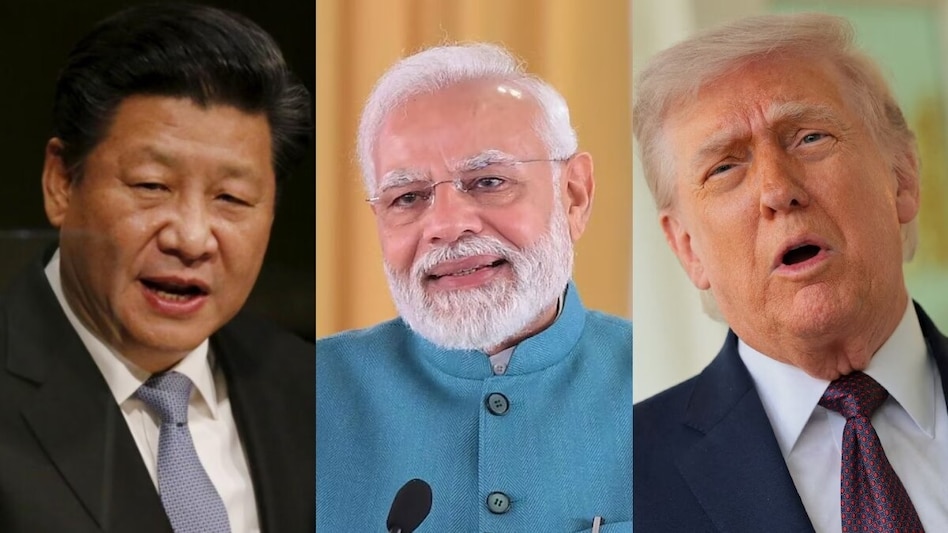
 A revised version of a major Russia sanctions bill unveiled in the US Senate on Tuesday has softened the tariff threat facing India and China, the two largest buyers of Russian crude oil. The updated legislation lowers the maximum tariff on countries purchasing Russian oil and gas to 100%, down sharply from the blanket 500% proposed in the original bill.
The bipartisan measure, backed by both Republican and Democratic senators, is designed to pressure countries into reducing their dependence on Russian energy while imposing direct sanctions on Russian officials, the country's shadow oil tanker fleet, major financial institutions, and state-owned energy projects.

 FPI outflows have nothing to do with their belief in India growth story: Neelkanth Mishra
 Europe’s €3.2 billion grain loss: What it means for India’s food inflation outlook
 GST Council likely to drop arrest powers to curb tax overreach: Report
 RBI repo rate: Crisil says India Inc can absorb 50-bps rate hike as corporate balance sheets remain strong
 Flydubai hero: Israel PM invites Captain Smit Machchhar to light prestigious Independence Day flame
 Bonds Vs FDs: Are Bonds A Better Alternative For Higher Returns? Risks Explained
 Should You Buy Gold Now? Festive and Wedding Season Strategy Explained
 Direct Vs Regular Mutual Funds: Why the Right Advisor May Matter More Than 1% Cost
 Mira Kapoor On Dhun Wellness, Clinical Longevity And The Dhun Intelligence Method
 Tech Gear EP 19 | iPhone 18 Pro Series, Apple Pay & Redmi Note 17 Pro Max | Business Today
 Nvidia shares approach record high as AI optimism revives investor demand
 Sebi receives 20,000 comments on proposed CAS changes; framework to follow soon
 Stock market sell-off: Nifty, Sensex log 8th straight weekly loss; key levels & top triggers now
 IPO boom: 69 Indian companies raise Rs 90,500 crore in Q3 despite stock market sell-off; what's next
 TCS, Infosys, HCL Tech, TechM, Wipro, LTM, Coforge, HEXT: Fresh target, Q2 previews for IT stocks
 Why India's top 25 B-schools have reported lower admissions this year
 Why Indian business schools are rethinking their MBA programmes
  From engine fires to a cockpit attack: 5 times Indian pilots saved lives mid-air
 'Had 1 last fight left': Captain Smit Machchhar recalls cockpit attack on Flydubai flightFPI outflows have nothing to do with their belief in India growth story: Neelkanth Mishra












