
Heatwave risk rises: NHRC flags impact, asks states to step up preparedness. Read more
Impact on labour, healthcare systems studied; Advisory to 21 states highlights productivity loss and strain on public health capacity
- Apr 28, 2026,
- Updated Apr 28, 2026 12:50 PM IST
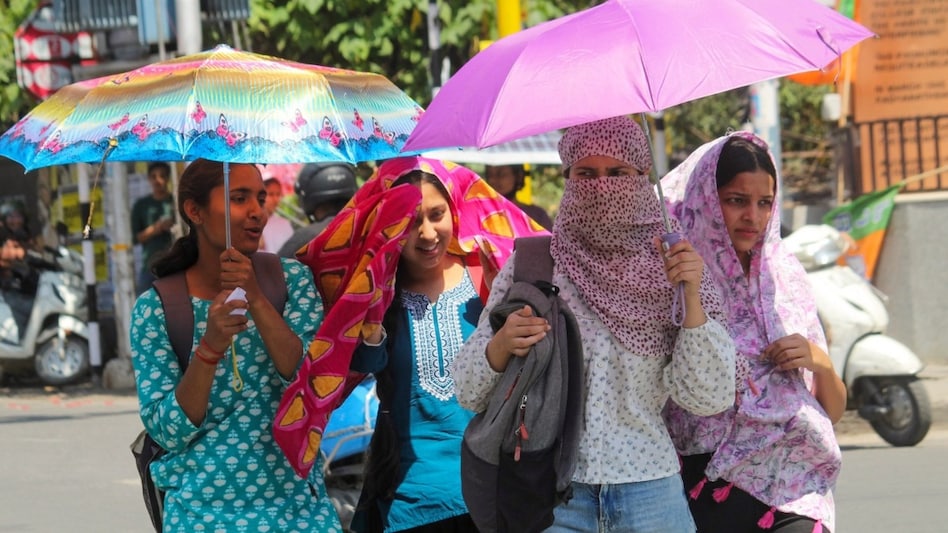
As India braces for another spell of extreme summer temperatures, the National Human Rights Commission (NHRC) has asked 21 states and Delhi to step up preparedness, warning that intensifying heatwaves are beginning to weigh on labour productivity and public health systems.
In a communication to Chief Secretaries, the Commission said the increasing frequency, duration and intensity of heatwaves are disproportionately affecting economically weaker sections, outdoor workers and the homeless, segments that underpin much of India’s informal economy.
“The rise in heatwave conditions disproportionately affects the marginalised, economically weaker sections, outdoor workers and the homeless,” the Commission said, noting that limited access to shelter and resources heightens exposure. It added that the elderly, children and infants remain particularly vulnerable to heat-related illnesses.
The warning spans a wide geography, including states such as Uttar Pradesh, Bihar, Maharashtra, Tamil Nadu and Gujarat, signalling the scale of the risk as temperatures rise earlier in the season and persist for longer durations.
MUST READ: What is wet-bulb temperature? Why it makes heatwaves far more dangerous than they actually are
Beyond health concerns, the Commission pointed to broader economic implications. Extreme heat is increasingly disrupting working hours across sectors such as construction, agriculture and daily-wage labour, while also raising the risk of fire incidents and income loss for vulnerable households.
Data cited by the Commission shows that 3,712 deaths due to heat or sunstroke were reported between 2019 and 2023, underlining the growing burden on healthcare systems during peak summer months.
The NHRC has urged states to implement relief measures in line with guidelines issued by the National Disaster Management Authority (NDMA) and ensure coordinated execution of heat action plans. It has also sought consolidated reports on preparedness at the state and Union Territory level.
MUST WATCH: Forget AC, Jyotiraditya Scindia Shares His Viral Onion Hack To Beat The Scorching Summer Heat
Parallelly, the Centre has stepped up its advisory to states. In a recent communication, Health Secretary Punya Salila Srivastava emphasised the need to strengthen frontline preparedness, stating that states must ensure the “operationalisation of dedicated Heat Stroke Management Units at all health facilities” and “adequate preparedness of ambulance services”.
She also called for “dissemination of early warnings for timely action” and “real-time reporting of heat stroke cases” through the government’s health surveillance systems, signalling a push towards tighter monitoring and faster response as heatwave conditions intensify.
With above-normal heatwave days expected across several regions between April and June, the convergence of rising temperatures and structural vulnerabilities is turning extreme heat into a recurring economic and public health challenge, one that requires coordination across health systems, disaster management and state administrations.
MUST READ: BT Explainer: India’s heat map turns alarming: What 45°C+ temperatures mean for the economy, people
As India braces for another spell of extreme summer temperatures, the National Human Rights Commission (NHRC) has asked 21 states and Delhi to step up preparedness, warning that intensifying heatwaves are beginning to weigh on labour productivity and public health systems.
In a communication to Chief Secretaries, the Commission said the increasing frequency, duration and intensity of heatwaves are disproportionately affecting economically weaker sections, outdoor workers and the homeless, segments that underpin much of India’s informal economy.
“The rise in heatwave conditions disproportionately affects the marginalised, economically weaker sections, outdoor workers and the homeless,” the Commission said, noting that limited access to shelter and resources heightens exposure. It added that the elderly, children and infants remain particularly vulnerable to heat-related illnesses.
The warning spans a wide geography, including states such as Uttar Pradesh, Bihar, Maharashtra, Tamil Nadu and Gujarat, signalling the scale of the risk as temperatures rise earlier in the season and persist for longer durations.
MUST READ: What is wet-bulb temperature? Why it makes heatwaves far more dangerous than they actually are
Beyond health concerns, the Commission pointed to broader economic implications. Extreme heat is increasingly disrupting working hours across sectors such as construction, agriculture and daily-wage labour, while also raising the risk of fire incidents and income loss for vulnerable households.
Data cited by the Commission shows that 3,712 deaths due to heat or sunstroke were reported between 2019 and 2023, underlining the growing burden on healthcare systems during peak summer months.
The NHRC has urged states to implement relief measures in line with guidelines issued by the National Disaster Management Authority (NDMA) and ensure coordinated execution of heat action plans. It has also sought consolidated reports on preparedness at the state and Union Territory level.
MUST WATCH: Forget AC, Jyotiraditya Scindia Shares His Viral Onion Hack To Beat The Scorching Summer Heat
Parallelly, the Centre has stepped up its advisory to states. In a recent communication, Health Secretary Punya Salila Srivastava emphasised the need to strengthen frontline preparedness, stating that states must ensure the “operationalisation of dedicated Heat Stroke Management Units at all health facilities” and “adequate preparedness of ambulance services”.
She also called for “dissemination of early warnings for timely action” and “real-time reporting of heat stroke cases” through the government’s health surveillance systems, signalling a push towards tighter monitoring and faster response as heatwave conditions intensify.
With above-normal heatwave days expected across several regions between April and June, the convergence of rising temperatures and structural vulnerabilities is turning extreme heat into a recurring economic and public health challenge, one that requires coordination across health systems, disaster management and state administrations.
MUST READ: BT Explainer: India’s heat map turns alarming: What 45°C+ temperatures mean for the economy, people