












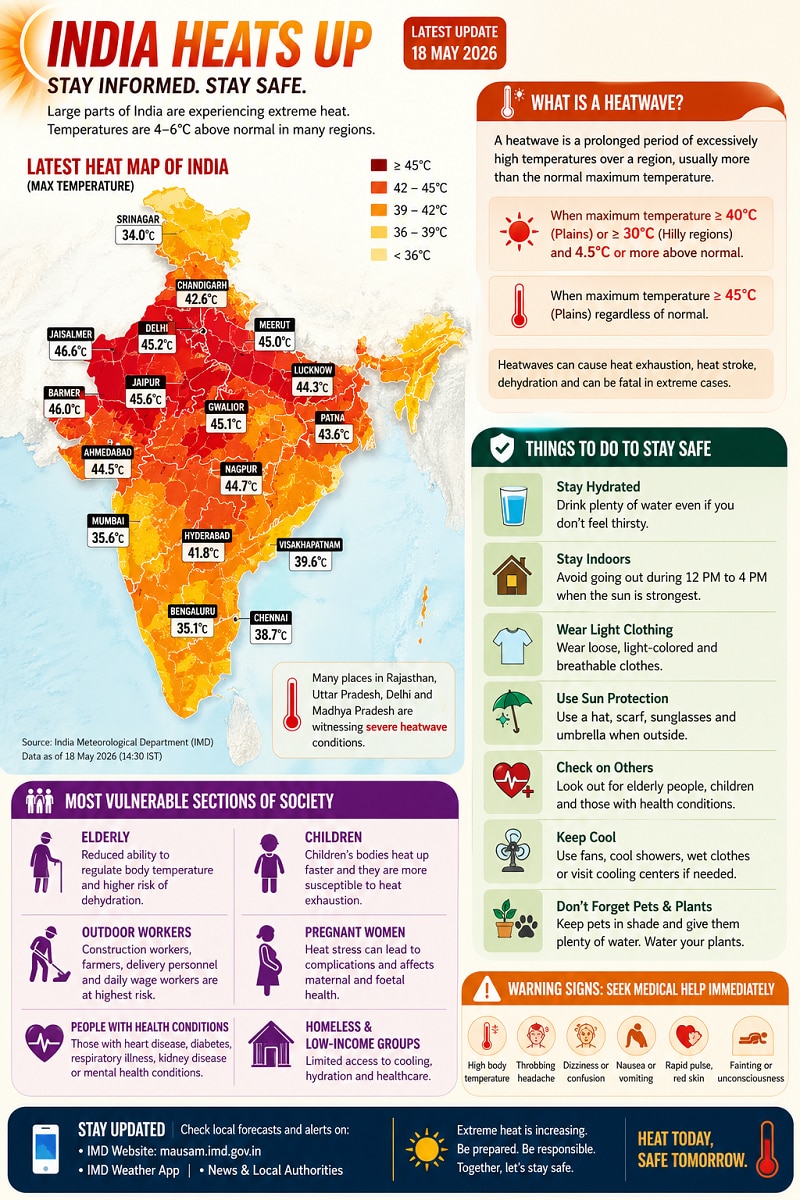


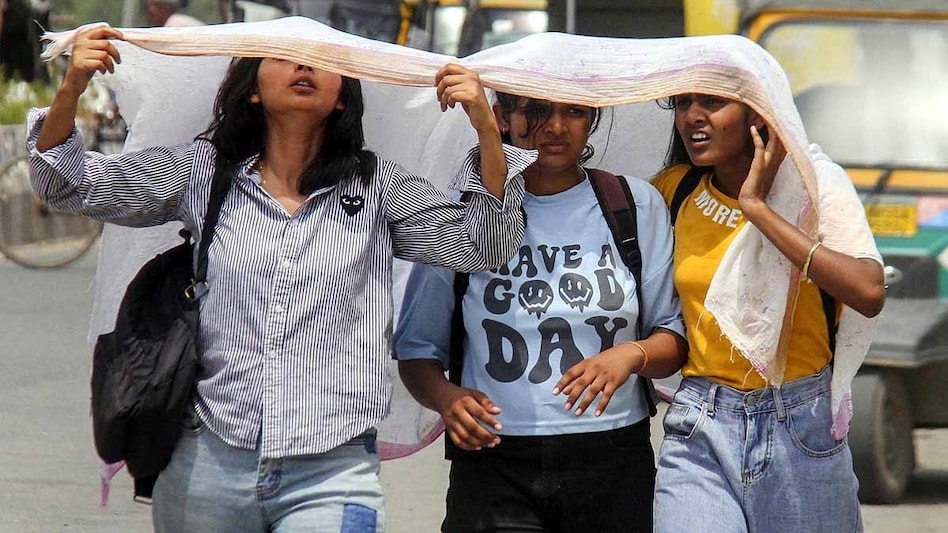
 Over the past few weeks, large parts of north and central India — including Rajasthan, Uttar Pradesh, and Delhi — have consistently recorded temperatures above 45°C, with some areas nearing 47°C.
 India’s scorching summer of 2026 is no longer just a weather story — it is rapidly becoming an economic and structural stress test.
Over the past few weeks, large parts of north and central India — including Rajasthan, Uttar Pradesh, and Delhi — have consistently recorded temperatures above 45°C, with some areas nearing 47°C. This has pushed Indian cities to the top of global heat charts, surpassing even regions in West Asia and Africa that are traditionally associated with extreme heat.
 GST mop up rises 14.8% to nearly ₹2 lakh crore in August, refunds climb 68%
 Purple Style Labs IPO: Pernia Qureshi sends legal notice over ‘Pernia’ rights; Axis Capital revises note
 Subhash Chandra debt: NCLT stays previous order against media baron, issues notices to him and lenders in ₹6.5 crore repayment case
 'Don't take foreign trips, avoid gold purchases': From Bishkek, PM Modi reiterates 'swadeshi' call
 Fresh round of layoffs coming at Oracle? Around 10K employees, Indians may be hit: Report
 Auto Stocks In Top Gear? Avinash Gorakshakar Sees Strong Double-Digit Growth Ahead
 Markets Still Worried After Strong GDP? Expert Flags 24,000 Support Amid Geopolitical Risks
 Modi-Putin Hug, Talks & Car Diplomacy At SCO Summit: India-Russia Ties Send Strong Global Signal
 Sun Pharma’s Big U.S. Deal: Lower Medicaid Drug Prices Ahead?
 U.S. AI Boom: Why Global Money Keeps Flowing Into America & What It Means For India
 Purple Style Labs IPO: Pernia Qureshi sends legal notice over ‘Pernia’ rights; Axis Capital revises note
 Kalyan Jewellers shares extend fall, slump 7% today; here's what is weighing on the stock
 Mazagon, Maruti Suzuki, Pidilite: Top stocks to buy | Check targets, stop loss, risk-reward & more
 Bajaj Finance, Shriram Finance: Why NBFC stocks are emerging as a key bet for JM Financial Asset Mgmt
 Nippon AMC shares: MOFSL retains 'Buy', sets Rs 1,380 target; key reasonsPurple Style Labs IPO: Pernia Qureshi sends legal notice over ‘Pernia’ rights; Axis Capital revises note
 How poor representation and pay inequity are hampering women’s rise to the top of corporate India
 Taliban seeks US investment and sanctions relief with $1trillion mineral wealth offer
 Apple makes 2018 Retina MacBook Air obsolete, ends standard hardware service for three older MacsKalyan Jewellers shares extend fall, slump 7% today; here's what is weighing on the stock


