
India’s heatwave crisis: How IMD classifies extreme heat and why 2026 is so hot
The weather agency is also planning a new percentile-based heat alert system, where warnings may be triggered when temperatures exceed the historical 95th percentile for a location.
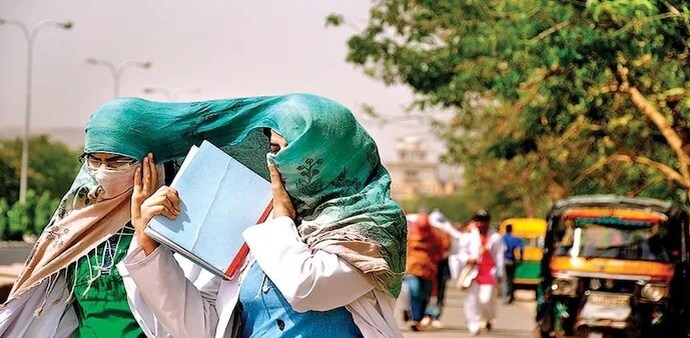
- May 18, 2026,
- Updated May 18, 2026 6:10 PM IST
A heatwave is a prolonged spell of unusually high temperatures that can become dangerous for human health, agriculture, water supply and power systems. In India, heatwaves usually occur between March and June, before the southwest monsoon arrives.
Heatwaves are not defined only by how hot it feels. The India Meteorological Department (IMD) classifies them based on actual recorded temperatures and how much those temperatures deviate from normal conditions.
MUST READ | Heatwave to sweep across India in 48 hours: 2026 summers set to beat the heat record of 2024
Extreme heat can trigger dehydration, heat exhaustion, heatstroke and even deaths, especially among children, elderly people, outdoor workers and people with pre-existing illnesses.
How does IMD classify a heatwave?
According to the IMD, a heatwave is declared only when temperatures cross specific thresholds.
For plains
- Heatwave: Maximum temperature reaches at least 40°C
- Severe heatwave: Usually when temperatures touch 47°C or higher, or remain far above normal
For coastal areas
Heatwave may be declared at 37°C or above.
IN CASE YOU MISSED IT | India may face a summer of intense heat in 2026 as global temperatures set to soar
For hilly regions
Heatwave conditions can begin at 30°C or above.
The IMD also looks at how much the temperature is above the seasonal normal:
- 4.5°C to 6.4°C above normal = Heatwave
- More than 6.4°C above normal = Severe heatwave
The weather agency is also planning a new percentile-based heat alert system, where warnings may be triggered when temperatures exceed the historical 95th percentile for a location.
What are the latest heatwave warnings?
The IMD has issued widespread heatwave alerts across northern, central and eastern India this week.
Areas under heatwave warning: Delhi, Rajasthan, Punjab, Haryana, Uttar Pradesh, Madhya Pradesh, Vidarbha, Chhattisgarh, Bihar and Telangana.
DO CHECKOUT | BT Explainer: India’s heat map turns alarming: What 45°C+ temperatures mean for the economy, people
Delhi is expected to see temperatures touching 44°C to 45°C, with yellow alerts issued for multiple days.
The IMD has also warned of:
- “Warm night” conditions in parts of Uttar Pradesh and Vidarbha
- Rising power demand due to cooling needs
- Increased risk of heat-related illnesses
At the same time, southern states such as Kerala and Karnataka are beginning to receive early monsoon showers, creating a sharp north-south weather contrast.
Why is 2026 so hot?
Scientists say several factors are combining to make 2026 exceptionally hot.
1. Climate change: Long-term global warming is raising baseline temperatures across the planet. This means heatwaves are becoming: More frequent, more intense and longer lasting. Urban areas are especially vulnerable because concrete and asphalt trap heat, creating “urban heat island” effects.
2. El Niño fears: Meteorologists are closely watching the possible development of an El Niño event in 2026. El Niño is a climate phenomenon linked to warmer Pacific Ocean temperatures that can disrupt global weather patterns.
DON'T MISS | Super El Niño alert: How a powerful Pacific warming could hit India’s monsoon & food prices
For India, El Niño years are often associated with:
- Hotter summers
- Reduced rainfall
- Weaker monsoons
Some climate researchers have warned that if a strong or “super” El Niño develops, 2026 could become one of the hottest years on record globally.
3. Delayed rainfall and dry conditions: Large parts of north and central India have seen dry weather and below-normal pre-monsoon rainfall, allowing land surfaces to heat rapidly during the day.
4. Rapid urbanisation: Cities retain heat longer because of dense construction, limited green cover and high vehicle emissions. This is making nighttime temperatures rise as well, reducing relief after sunset.
Why heatwaves are becoming a major concern
Experts increasingly describe heatwaves as “silent disasters” because they affect: Public health, food production, water availability, electricity demand and worker productivity. Research suggests heat-related deaths in Indian cities could rise sharply in future decades if emissions continue to increase.
How to stay safe during a heatwave
The IMD and health authorities advise people to:
- Stay hydrated
- Avoid direct sunlight between noon and 4 pm
- Wear light cotton clothing
- Avoid strenuous outdoor activity
- Never leave children or pets inside parked vehicles
- Watch for symptoms like dizziness, nausea and confusion
A heatwave is a prolonged spell of unusually high temperatures that can become dangerous for human health, agriculture, water supply and power systems. In India, heatwaves usually occur between March and June, before the southwest monsoon arrives.
Heatwaves are not defined only by how hot it feels. The India Meteorological Department (IMD) classifies them based on actual recorded temperatures and how much those temperatures deviate from normal conditions.
MUST READ | Heatwave to sweep across India in 48 hours: 2026 summers set to beat the heat record of 2024
Extreme heat can trigger dehydration, heat exhaustion, heatstroke and even deaths, especially among children, elderly people, outdoor workers and people with pre-existing illnesses.
How does IMD classify a heatwave?
According to the IMD, a heatwave is declared only when temperatures cross specific thresholds.
For plains
- Heatwave: Maximum temperature reaches at least 40°C
- Severe heatwave: Usually when temperatures touch 47°C or higher, or remain far above normal
For coastal areas
Heatwave may be declared at 37°C or above.
IN CASE YOU MISSED IT | India may face a summer of intense heat in 2026 as global temperatures set to soar
For hilly regions
Heatwave conditions can begin at 30°C or above.
The IMD also looks at how much the temperature is above the seasonal normal:
- 4.5°C to 6.4°C above normal = Heatwave
- More than 6.4°C above normal = Severe heatwave
The weather agency is also planning a new percentile-based heat alert system, where warnings may be triggered when temperatures exceed the historical 95th percentile for a location.
What are the latest heatwave warnings?
The IMD has issued widespread heatwave alerts across northern, central and eastern India this week.
Areas under heatwave warning: Delhi, Rajasthan, Punjab, Haryana, Uttar Pradesh, Madhya Pradesh, Vidarbha, Chhattisgarh, Bihar and Telangana.
DO CHECKOUT | BT Explainer: India’s heat map turns alarming: What 45°C+ temperatures mean for the economy, people
Delhi is expected to see temperatures touching 44°C to 45°C, with yellow alerts issued for multiple days.
The IMD has also warned of:
- “Warm night” conditions in parts of Uttar Pradesh and Vidarbha
- Rising power demand due to cooling needs
- Increased risk of heat-related illnesses
At the same time, southern states such as Kerala and Karnataka are beginning to receive early monsoon showers, creating a sharp north-south weather contrast.
Why is 2026 so hot?
Scientists say several factors are combining to make 2026 exceptionally hot.
1. Climate change: Long-term global warming is raising baseline temperatures across the planet. This means heatwaves are becoming: More frequent, more intense and longer lasting. Urban areas are especially vulnerable because concrete and asphalt trap heat, creating “urban heat island” effects.
2. El Niño fears: Meteorologists are closely watching the possible development of an El Niño event in 2026. El Niño is a climate phenomenon linked to warmer Pacific Ocean temperatures that can disrupt global weather patterns.
DON'T MISS | Super El Niño alert: How a powerful Pacific warming could hit India’s monsoon & food prices
For India, El Niño years are often associated with:
- Hotter summers
- Reduced rainfall
- Weaker monsoons
Some climate researchers have warned that if a strong or “super” El Niño develops, 2026 could become one of the hottest years on record globally.
3. Delayed rainfall and dry conditions: Large parts of north and central India have seen dry weather and below-normal pre-monsoon rainfall, allowing land surfaces to heat rapidly during the day.
4. Rapid urbanisation: Cities retain heat longer because of dense construction, limited green cover and high vehicle emissions. This is making nighttime temperatures rise as well, reducing relief after sunset.
Why heatwaves are becoming a major concern
Experts increasingly describe heatwaves as “silent disasters” because they affect: Public health, food production, water availability, electricity demand and worker productivity. Research suggests heat-related deaths in Indian cities could rise sharply in future decades if emissions continue to increase.
How to stay safe during a heatwave
The IMD and health authorities advise people to:
- Stay hydrated
- Avoid direct sunlight between noon and 4 pm
- Wear light cotton clothing
- Avoid strenuous outdoor activity
- Never leave children or pets inside parked vehicles
- Watch for symptoms like dizziness, nausea and confusion