
Over 60 associations to join three-day transporters strike on May 21-23: Will supply be disrupted?
Three day transporters strike: “The agitation is not only about the survival of transporters but also about protecting the uninterrupted movement of the nation’s economic lifeline," said AIMTC President.
- May 20, 2026,
- Updated May 20, 2026 8:52 AM IST
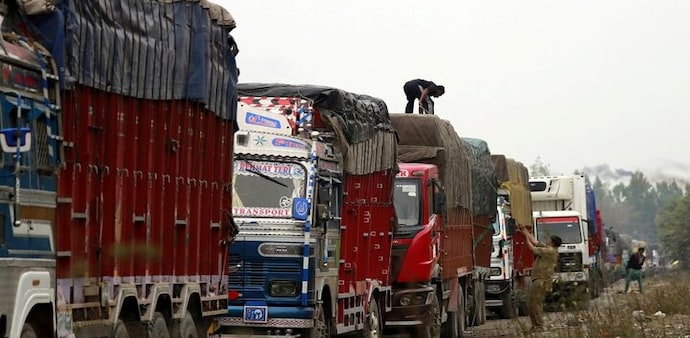
May 21-23 transporters strike: A three-day symbolic chakka jam called by goods transporters in Delhi-NCR from May 21 to 23 may disrupt the supply of vegetables, fruits and other essential items, as the All India Motor Transport Congress (AIMTC) has asked operators to suspend services over rising operational restrictions, environmental levies and other financial burdens on commercial vehicles.
The AIMTC said the protest was aimed at the sharp increase in green tax or environment compensation cess on Delhi-bound commercial vehicles, the proposed restrictions on BS-IV commercial vehicles, and the burden on vehicles carrying essential commodities as well as those returning empty.
It said the transport sector moves foodgrains, vegetables, milk, medicines, industrial goods and other essentials every day across highways, cities, villages and industrial corridors.
MUST READ | Delhi commuters may face surge pricing, long waits during May 21–23 strike
OVER 60 ASSOCIATIONS TO JOIN
AIMTC president Harish Sabharwal said transporters had urged policymakers to immediately begin talks with stakeholders before the situation turned into a bigger logistics disruption. “Over 60 transport associations and unions are supporting our call. The proposed nationwide strike is expected to witness large-scale participation from transporters and truck operators in Delhi-NCR. The transport sector, considered the backbone of the nation’s economy, carries foodgrains, vegetables, milk, medicines, industrial goods and other essentials every day across highways, cities, villages and industrial corridors,” he said.
He added that senior representatives of the fraternity had expressed serious concern that unless practical corrective measures were introduced immediately, the country could face severe supply chain disruptions affecting traders, manufacturers, small businesses, retail markets and common citizens.
‘NOT JUST SURVIVAL’
“The agitation is not only about the survival of transporters but also about protecting the uninterrupted movement of the nation’s economic lifeline. We appeal to policymakers to initiate immediate dialogue before the situation escalates into a nationwide logistics disruption,” Sabharwal said.
DON'T MISS | Medical shops near your place to remain shut today? What you need to know
The AIMTC, which represents truckers, private buses, taxi and maxi cab operators, held a meeting in Delhi on Tuesday where the cess hike was discussed. In a statement, it said more than 68 transport associations and unions across Delhi-NCR had come together under its banner and decided to suspend transport operations for three days from 21 May to 23 May against what it called “unjust and unfair policies” imposed by the Commission for Air Quality Management, courts and the Delhi government on the transport sector.
The body said its demands included withdrawal of the cess hike on all Delhi-bound goods vehicles, an immediate rollback of the proposed ban on the entry of non-Delhi registered BS-IV commercial goods vehicles from November 1, 2026, and limiting the cess only to vehicles passing through Delhi.
“The CAQM and the Delhi government have indiscriminately imposed the cess hike on all Delhi-bound goods vehicles, rather than deterring transit vehicles using Delhi as a corridor in line with the original intent of the Supreme Court order and to divert them to the Eastern and Western Peripheral Expressways,” the statement said.
MUST READ: Karnataka bus strike today. What commuters should know, workers' demands and more
‘SERIOUS ECONOMIC CONSEQUENCES’
The union further said that “these measures have caused serious socioeconomic consequences”, severely affecting the transport sector and the livelihoods of operators. It also sought exemption from the cess for vehicles carrying essential commodities and for empty vehicles entering Delhi for loading, saying this had earlier been allowed in the public interest.
Last month, the Delhi government notified an increase in cess on commercial vehicles entering the national capital to curb vehicular pollution. In April, Chief Minister Rekha Gupta announced that all interstate BS-IV commercial goods vehicles would be barred from entering Delhi from 1 November as part of the pollution mitigation plan, while CNG-powered, electric and BS-VI compliant vehicles would be exempt.
Opposing the move, the union said, “This decision lacks scientific basis and legal rationale as it ignores the legally permitted operational lifespan of such vehicles.”
May 21-23 transporters strike: A three-day symbolic chakka jam called by goods transporters in Delhi-NCR from May 21 to 23 may disrupt the supply of vegetables, fruits and other essential items, as the All India Motor Transport Congress (AIMTC) has asked operators to suspend services over rising operational restrictions, environmental levies and other financial burdens on commercial vehicles.
The AIMTC said the protest was aimed at the sharp increase in green tax or environment compensation cess on Delhi-bound commercial vehicles, the proposed restrictions on BS-IV commercial vehicles, and the burden on vehicles carrying essential commodities as well as those returning empty.
It said the transport sector moves foodgrains, vegetables, milk, medicines, industrial goods and other essentials every day across highways, cities, villages and industrial corridors.
MUST READ | Delhi commuters may face surge pricing, long waits during May 21–23 strike
OVER 60 ASSOCIATIONS TO JOIN
AIMTC president Harish Sabharwal said transporters had urged policymakers to immediately begin talks with stakeholders before the situation turned into a bigger logistics disruption. “Over 60 transport associations and unions are supporting our call. The proposed nationwide strike is expected to witness large-scale participation from transporters and truck operators in Delhi-NCR. The transport sector, considered the backbone of the nation’s economy, carries foodgrains, vegetables, milk, medicines, industrial goods and other essentials every day across highways, cities, villages and industrial corridors,” he said.
He added that senior representatives of the fraternity had expressed serious concern that unless practical corrective measures were introduced immediately, the country could face severe supply chain disruptions affecting traders, manufacturers, small businesses, retail markets and common citizens.
‘NOT JUST SURVIVAL’
“The agitation is not only about the survival of transporters but also about protecting the uninterrupted movement of the nation’s economic lifeline. We appeal to policymakers to initiate immediate dialogue before the situation escalates into a nationwide logistics disruption,” Sabharwal said.
DON'T MISS | Medical shops near your place to remain shut today? What you need to know
The AIMTC, which represents truckers, private buses, taxi and maxi cab operators, held a meeting in Delhi on Tuesday where the cess hike was discussed. In a statement, it said more than 68 transport associations and unions across Delhi-NCR had come together under its banner and decided to suspend transport operations for three days from 21 May to 23 May against what it called “unjust and unfair policies” imposed by the Commission for Air Quality Management, courts and the Delhi government on the transport sector.
The body said its demands included withdrawal of the cess hike on all Delhi-bound goods vehicles, an immediate rollback of the proposed ban on the entry of non-Delhi registered BS-IV commercial goods vehicles from November 1, 2026, and limiting the cess only to vehicles passing through Delhi.
“The CAQM and the Delhi government have indiscriminately imposed the cess hike on all Delhi-bound goods vehicles, rather than deterring transit vehicles using Delhi as a corridor in line with the original intent of the Supreme Court order and to divert them to the Eastern and Western Peripheral Expressways,” the statement said.
MUST READ: Karnataka bus strike today. What commuters should know, workers' demands and more
‘SERIOUS ECONOMIC CONSEQUENCES’
The union further said that “these measures have caused serious socioeconomic consequences”, severely affecting the transport sector and the livelihoods of operators. It also sought exemption from the cess for vehicles carrying essential commodities and for empty vehicles entering Delhi for loading, saying this had earlier been allowed in the public interest.
Last month, the Delhi government notified an increase in cess on commercial vehicles entering the national capital to curb vehicular pollution. In April, Chief Minister Rekha Gupta announced that all interstate BS-IV commercial goods vehicles would be barred from entering Delhi from 1 November as part of the pollution mitigation plan, while CNG-powered, electric and BS-VI compliant vehicles would be exempt.
Opposing the move, the union said, “This decision lacks scientific basis and legal rationale as it ignores the legally permitted operational lifespan of such vehicles.”