
What is the Indus Waters Treaty? Why India calls Court of Arbitration ‘illegal’
The Indus Waters Treaty is one of the world’s most enduring transboundary river agreements. Signed in 1960 between India and Pakistan with the World Bank as a broker, the treaty governs the sharing of waters from the six rivers of the Indus basin.
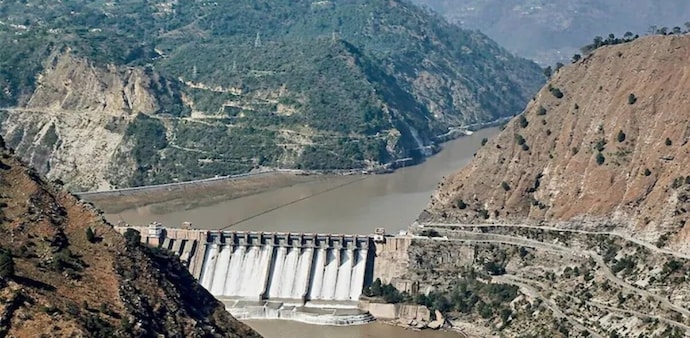
- May 16, 2026,
- Updated May 16, 2026 11:08 PM IST
India has strongly rejected the latest ruling issued by what it called an “illegally constituted” Court of Arbitration (CoA) under the Indus Waters Treaty framework, reiterating that it does not recognise the authority of the tribunal and considers all its pronouncements “null and void”.
Responding to media queries, Ministry of External Affairs spokesperson Randhir Jaiswal said the so-called Court of Arbitration had issued what it termed an “award concerning maximum pondage supplemental to the award on issues of general interpretation of the Indus Waters Treaty”.
MUST READ | 'Part of geography or history?': Army chief's blunt warning for Pakistan over terror support
“India has never recognised the establishment of this so-called CoA. Any proceeding, award, or decision issued by it is null and void,” Jaiswal said, adding that India’s decision to keep the Indus Waters Treaty in abeyance remains unchanged.
The sharp response marks yet another escalation in the long-running water-sharing dispute between India and Pakistan, centred around hydroelectric projects in Jammu and Kashmir and differing interpretations of the treaty’s dispute resolution mechanisms.
What is the Indus Waters Treaty?
The Indus Waters Treaty is one of the world’s most enduring transboundary river agreements. Signed in 1960 between India and Pakistan with the World Bank as a broker, the treaty governs the sharing of waters from the six rivers of the Indus basin.
Under the agreement:
- India received rights over the eastern rivers — Ravi, Beas and Sutlej.
- Pakistan was given control over the western rivers — Indus, Jhelum and Chenab.
While Pakistan has primary rights over the western rivers, India is allowed limited non-consumptive use, including hydroelectric power generation, irrigation and navigation, under strict technical conditions.
DO READ | India suspends Indus Waters Treaty: Here's how it impacts Pakistan’s farms, cities, and power
For decades, the treaty survived wars, military standoffs and diplomatic breakdowns between the two neighbours, often being described as a rare example of sustained India-Pakistan cooperation.
Under the treaty, technical disputes are generally referred to a neutral expert, while more complex legal disputes may go to a Court of Arbitration. India has objected to the simultaneous invocation of both mechanisms by Pakistan, arguing that parallel proceedings are inconsistent with the treaty framework.
India has consistently maintained that the Court of Arbitration constituted in this matter lacks legitimacy and jurisdiction.
Why did India put the treaty in abeyance?
India formally moved to place the treaty “in abeyance” after relations with Pakistan deteriorated sharply following repeated cross-border terror incidents and Islamabad’s continued support for terrorism, which lead to Operation Sindoor.
The decision came amid mounting frustration within India over what it described as Pakistan’s obstructionist approach to treaty implementation and misuse of international legal mechanisms.
DON'T MISS | India suspends Indus Waters Treaty: Here's how it impacts Pakistan’s farms, cities, and power
New Delhi has argued that circumstances have fundamentally changed since the treaty was signed in 1960, especially in the context of terrorism and national security concerns.
When was the treaty put on hold?
India announced in April 2025 that it was keeping the Indus Waters Treaty in abeyance following the deadly terror attack in Pahalgam, Jammu and Kashmir, which killed multiple civilians and security personnel. The government linked the move to Pakistan-backed cross-border terrorism and said normal treaty obligations could not continue under prevailing circumstances.
DO CHECKOUT | ‘Don’t do unto others…’: China threatens Brahmaputra leverage against India in aid to ‘friend’ Pakistan
Since then, India has repeatedly stated that the suspension will remain in force until Pakistan “credibly and irrevocably” ends support for cross-border terrorism.
The latest remarks from the MEA indicate that New Delhi is unlikely to soften its stance despite the latest arbitration ruling.
India has strongly rejected the latest ruling issued by what it called an “illegally constituted” Court of Arbitration (CoA) under the Indus Waters Treaty framework, reiterating that it does not recognise the authority of the tribunal and considers all its pronouncements “null and void”.
Responding to media queries, Ministry of External Affairs spokesperson Randhir Jaiswal said the so-called Court of Arbitration had issued what it termed an “award concerning maximum pondage supplemental to the award on issues of general interpretation of the Indus Waters Treaty”.
MUST READ | 'Part of geography or history?': Army chief's blunt warning for Pakistan over terror support
“India has never recognised the establishment of this so-called CoA. Any proceeding, award, or decision issued by it is null and void,” Jaiswal said, adding that India’s decision to keep the Indus Waters Treaty in abeyance remains unchanged.
The sharp response marks yet another escalation in the long-running water-sharing dispute between India and Pakistan, centred around hydroelectric projects in Jammu and Kashmir and differing interpretations of the treaty’s dispute resolution mechanisms.
What is the Indus Waters Treaty?
The Indus Waters Treaty is one of the world’s most enduring transboundary river agreements. Signed in 1960 between India and Pakistan with the World Bank as a broker, the treaty governs the sharing of waters from the six rivers of the Indus basin.
Under the agreement:
- India received rights over the eastern rivers — Ravi, Beas and Sutlej.
- Pakistan was given control over the western rivers — Indus, Jhelum and Chenab.
While Pakistan has primary rights over the western rivers, India is allowed limited non-consumptive use, including hydroelectric power generation, irrigation and navigation, under strict technical conditions.
DO READ | India suspends Indus Waters Treaty: Here's how it impacts Pakistan’s farms, cities, and power
For decades, the treaty survived wars, military standoffs and diplomatic breakdowns between the two neighbours, often being described as a rare example of sustained India-Pakistan cooperation.
Under the treaty, technical disputes are generally referred to a neutral expert, while more complex legal disputes may go to a Court of Arbitration. India has objected to the simultaneous invocation of both mechanisms by Pakistan, arguing that parallel proceedings are inconsistent with the treaty framework.
India has consistently maintained that the Court of Arbitration constituted in this matter lacks legitimacy and jurisdiction.
Why did India put the treaty in abeyance?
India formally moved to place the treaty “in abeyance” after relations with Pakistan deteriorated sharply following repeated cross-border terror incidents and Islamabad’s continued support for terrorism, which lead to Operation Sindoor.
The decision came amid mounting frustration within India over what it described as Pakistan’s obstructionist approach to treaty implementation and misuse of international legal mechanisms.
DON'T MISS | India suspends Indus Waters Treaty: Here's how it impacts Pakistan’s farms, cities, and power
New Delhi has argued that circumstances have fundamentally changed since the treaty was signed in 1960, especially in the context of terrorism and national security concerns.
When was the treaty put on hold?
India announced in April 2025 that it was keeping the Indus Waters Treaty in abeyance following the deadly terror attack in Pahalgam, Jammu and Kashmir, which killed multiple civilians and security personnel. The government linked the move to Pakistan-backed cross-border terrorism and said normal treaty obligations could not continue under prevailing circumstances.
DO CHECKOUT | ‘Don’t do unto others…’: China threatens Brahmaputra leverage against India in aid to ‘friend’ Pakistan
Since then, India has repeatedly stated that the suspension will remain in force until Pakistan “credibly and irrevocably” ends support for cross-border terrorism.
The latest remarks from the MEA indicate that New Delhi is unlikely to soften its stance despite the latest arbitration ruling.