
CCI launches investigation into IndiGo for alleged unfair practices after mass flight cancellations in Dec
The commission cited concerns of unfair business practices and potential abuse of market dominance, as the cancellations were said to significantly impact passenger access to air travel at a time of heightened demand.
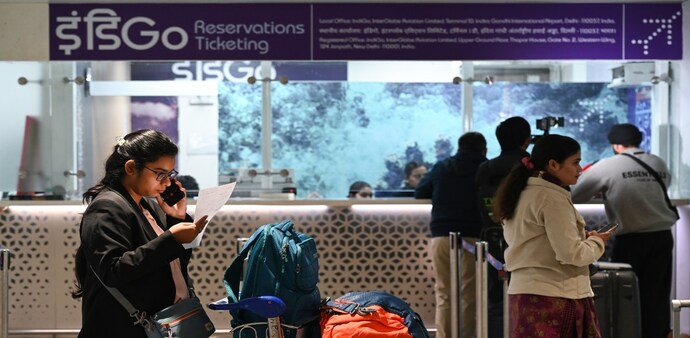
- Feb 4, 2026,
- Updated Feb 4, 2026 9:20 PM IST
The Competition Commission of India (CCI) has ordered an in-depth investigation into IndiGo, India’s largest airline by market share, after the airline cancelled thousands of flights in December. The commission cited concerns of unfair business practices and potential abuse of market dominance, as the cancellations were said to significantly impact passenger access to air travel at a time of heightened demand.
The CCI’s decision comes as regulatory scrutiny intensifies on how airlines manage capacity and operational disruptions, particularly during peak travel periods, with potential repercussions for both travellers and industry competitors.
According to data from the Directorate General of Civil Aviation (DGCA), more than 10.46 lakh passengers across scheduled domestic airlines were affected by flight cancellations in December. Of these, IndiGo’s cancellations accounted for the majority, impacting 9.82 lakh passengers. The airline spent Rs 22.74 crore on facilitation, reflecting the scale of disruption and the financial burden placed on airlines to compensate affected travellers.
The CCI’s 16-page order stated that IndiGo’s actions may have resulted in an appreciable adverse effect on competition in the Indian aviation sector. The commission noted that the cancellations withheld a significant portion of scheduled capacity from the market, thereby reducing consumer options and creating an environment of artificial scarcity during a period of high demand. The investigation will be led by the CCI’s Director General (DG), who is tasked with thoroughly examining the airline’s conduct.
"By cancelling thousands of flights constituting a significant portion of the scheduled capacity, IndiGo effectively withheld its service from the market, creating an artificial scarcity, limiting consumer access to air travel during peak demand," the order read.
IndiGo currently holds over 65% of India’s domestic airline market, granting it a dominant position. In comparison, the Air India Group and Akasa Air held 29.6% and 5.2% of the market, respectively, in December, while SpiceJet and Alliance Air represented smaller shares. The commission’s focus on Section 4 of the Competition Act underscores the seriousness of the alleged abuse of dominance, particularly as the airline’s decisions affected such a large majority of travellers.
The DGCA responded to the widespread disruptions by imposing fines totalling Rs 22.20 crore on IndiGo for lapses in December. Additionally, the regulator instructed IndiGo to provide a bank guarantee of Rs 50 crore to ensure long-term systemic corrections. The DGCA also issued warnings to the airline’s CEO Pieter Elbers and two other senior executives, highlighting the regulatory emphasis on accountability and compliance within the sector.
The CCI order points to the potential for unfair limitation of services by dominant market players. "Such conduct by a dominant enterprise may be viewed as restricting the provision of services under Section 4(2)(b)(i) of the Act," the regulator said. The investigation will assess whether these actions breached competition law and if corrective measures are warranted to protect consumer interests.
Flight delays in December also contributed to substantial inconvenience, with 8.34 lakh passengers impacted. Airlines spent an additional Rs 4.50 crore towards facilitation for those affected by delays, illustrating the broader operational challenges facing the industry during the period in question. The outcome of the CCI's investigation may set important precedents for the regulation of airline conduct in India's aviation market.
The Competition Commission of India (CCI) has ordered an in-depth investigation into IndiGo, India’s largest airline by market share, after the airline cancelled thousands of flights in December. The commission cited concerns of unfair business practices and potential abuse of market dominance, as the cancellations were said to significantly impact passenger access to air travel at a time of heightened demand.
The CCI’s decision comes as regulatory scrutiny intensifies on how airlines manage capacity and operational disruptions, particularly during peak travel periods, with potential repercussions for both travellers and industry competitors.
According to data from the Directorate General of Civil Aviation (DGCA), more than 10.46 lakh passengers across scheduled domestic airlines were affected by flight cancellations in December. Of these, IndiGo’s cancellations accounted for the majority, impacting 9.82 lakh passengers. The airline spent Rs 22.74 crore on facilitation, reflecting the scale of disruption and the financial burden placed on airlines to compensate affected travellers.
The CCI’s 16-page order stated that IndiGo’s actions may have resulted in an appreciable adverse effect on competition in the Indian aviation sector. The commission noted that the cancellations withheld a significant portion of scheduled capacity from the market, thereby reducing consumer options and creating an environment of artificial scarcity during a period of high demand. The investigation will be led by the CCI’s Director General (DG), who is tasked with thoroughly examining the airline’s conduct.
"By cancelling thousands of flights constituting a significant portion of the scheduled capacity, IndiGo effectively withheld its service from the market, creating an artificial scarcity, limiting consumer access to air travel during peak demand," the order read.
IndiGo currently holds over 65% of India’s domestic airline market, granting it a dominant position. In comparison, the Air India Group and Akasa Air held 29.6% and 5.2% of the market, respectively, in December, while SpiceJet and Alliance Air represented smaller shares. The commission’s focus on Section 4 of the Competition Act underscores the seriousness of the alleged abuse of dominance, particularly as the airline’s decisions affected such a large majority of travellers.
The DGCA responded to the widespread disruptions by imposing fines totalling Rs 22.20 crore on IndiGo for lapses in December. Additionally, the regulator instructed IndiGo to provide a bank guarantee of Rs 50 crore to ensure long-term systemic corrections. The DGCA also issued warnings to the airline’s CEO Pieter Elbers and two other senior executives, highlighting the regulatory emphasis on accountability and compliance within the sector.
The CCI order points to the potential for unfair limitation of services by dominant market players. "Such conduct by a dominant enterprise may be viewed as restricting the provision of services under Section 4(2)(b)(i) of the Act," the regulator said. The investigation will assess whether these actions breached competition law and if corrective measures are warranted to protect consumer interests.
Flight delays in December also contributed to substantial inconvenience, with 8.34 lakh passengers impacted. Airlines spent an additional Rs 4.50 crore towards facilitation for those affected by delays, illustrating the broader operational challenges facing the industry during the period in question. The outcome of the CCI's investigation may set important precedents for the regulation of airline conduct in India's aviation market.