


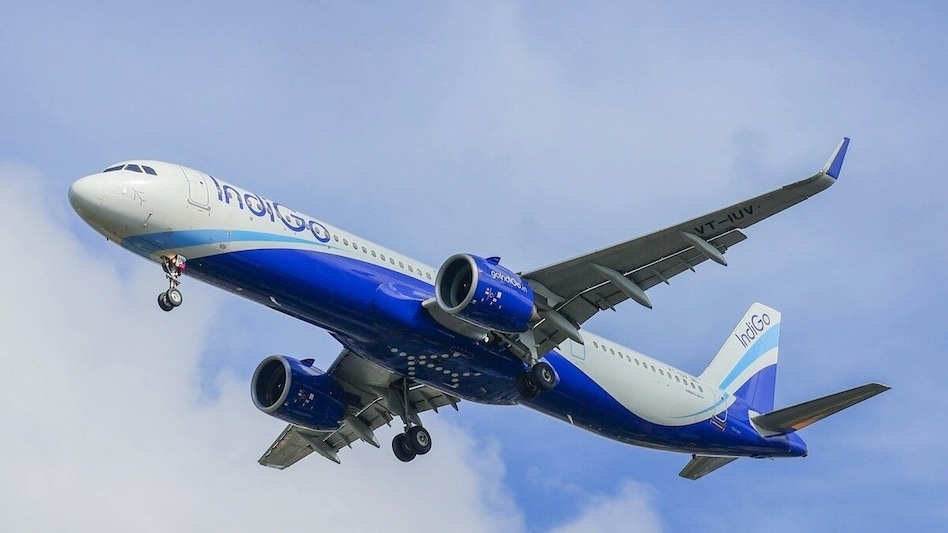
 IndiGo is pressing ahead with international expansion plans
Nearly a month after a major operational disruption disrupted flights across its network, IndiGo says it is fully cooperating with the Directorate General of Civil Aviation (DGCA) as the regulator reviews the episode that left thousands of passengers stranded between December 3-5. The airline has since restored normal operations and is examining internal processes as part of efforts to prevent a recurrence.
Even as the DGCA review continues, India’s largest airline is pressing ahead with its international expansion plans. IndiGo is set to launch non-stop services to Athens in January 2026, marking the international debut of the Airbus A321XLR by an Indian carrier. The aircraft’s extended range will allow the airline to open new medium- to long-haul routes directly from India, expanding its reach into markets that were previously not commercially viable with narrow-body aircraft.

 Cargo vessel with 20 Chinese crew sinks near Odisha; Coast Guard deploys 3 ships for rescue ops
 Trump doubles down on Hormuz claim, shares map calling strait 'NEW US Territory'
 'FOMO, fixed return': SEBI proposes revamped ad code for bond portals from misleading investors
 Bangladesh-Pakistan ties: What Dhaka’s interest in Saudi-Türkiye defence pact means for India
 AI jobs rise 51% in India, but 75% of job skills could change by 2030: LinkedIn India head
 Rental Income Tax: 3 Key Deductions Every Senior Citizen and Property Owner Should Know
 Meta’s $200 Billion Trial: Did Instagram & Facebook Keep Kids Hooked?
 Motor Insurance Explained: Is Third-Party Car Insurance Enough? Know Before You Buy
 Retirement Tax Planning: 5 Ways Senior Citizens Can Reduce Their Tax Liability
 #IndiaAt100 : Adipen Bose Nandhiji On Conscious Capitalism- Can Profit & Purpose Coexist?
 India stocks lag global markets in 2026: BofA data shows 9.1% decline in USD terms'FOMO, fixed return': SEBI proposes revamped ad code for bond portals from misleading investors
 Crompton Greaves says no plan to sell stake, expects revenue to double by FY31
 Gaja Alternative Assets IPO: 3 ways to check application status; allotment odds, GMP, listing date
 FII sentiment shows early signs of turnaround after months of selling: ReportTrump doubles down on Hormuz claim, shares map calling strait 'NEW US Territory'
 Quote of the Day by Narayana Murthy : ‘Every company has to identify what I call its strategic resources, and make sure that it grabs as much of its strategic resources as possible’Cargo vessel with 20 Chinese crew sinks near Odisha; Coast Guard deploys 3 ships for rescue ops
 No more ticket queues: RailOne app lets you book general train tickets from your phone
 Your daily chai may hide iron particles: FSSAI shares an easy way to spot them












