
Tata Group succession: How N Chandrasekaran’s resignation might change the conglomerate?
His exit comes amid reports of boardroom tension and an unresolved succession plan, leaving one of India's largest and oldest conglomerates without a clear leader for the road ahead.
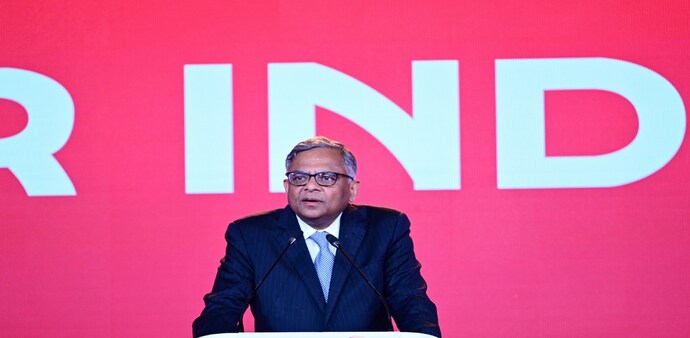
- Aug 14, 2026,
- Updated Aug 14, 2026 8:30 AM IST
Big news from India Inc: with no clear successor in sight after N Chandrasekaran announced his exit as Tata Group chairman, uncertainty looms large over the conglomerate's future. Yes, the same Chandra who turned around Air India and scaled up TCS globally has announced that he is not seeking another term — and the timing couldn't be more dramatic.
His exit comes amid reports of boardroom tension and an unresolved succession plan, leaving one of India's largest and oldest conglomerates without a clear leader for the road ahead. What is the power struggle all about? And what does this mean for the Tata Group's future? We break down what really happened — and what it could mean for the future of the Tata empire.
DO CHECKOUT | From Jamsetji Tata to N Chandrasekaran: The titans who've led Tata Group in 157 years
Why did Chandra quit?
On Wednesday, N Chandrasekaran announced that he would not seek a reappointment when his current term expires in February 2027. He said that one Tata Sons board member did not support the extension of his 5-year tenure during the February 2026 board meeting.
The Sir Dorabji Tata Trust and Sir Ratan Tata Trust unanimously recommended the extension before the board meeting. He noted that almost 6 months passed without any resolution, while citing the need for leadership clarity as several strategic projects were at critical stages.
ALSO READ | Will Chandrasekaran’s exit jeopardise Tata Sons’ $120 billion spending plan?
Power struggle at Tata Group
Chandrasekaran's decision not to seek another term has brought the ongoing power tussle in the Tata Group into focus. His decision is likely to have wide-ranging consequences for the Tata Group, coming at a time when questions over leadership continuity are already mounting.
Noel Tata, the chairman of Tata Trusts, had reportedly sought a clear commitment from him that Tata Sons would not move towards a public listing, even as regulatory scrutiny around the holding company intensified. He had also flagged concerns about the group’s debt position, Bloomberg reported.
MUST READ | Before his Tata exit, N Chandrasekaran shared 6 lessons on AI, ambition, change and leadership
At the centre of the power struggle is Tata Trusts, which owns roughly 66% of Tata Sons and has a significant influence over the group. Many leaders associated with Ratan Tata have quit amid the ongoing turbulence, including Vijay Singh and Mehli Mistry.
Besides the Tata Sons listing, the composition of the board and allocation of board seats were another bone of contention. Another key fault line was the reported appointment of Noel Tata's son Neville Tata as a trustee of the Sir Ratan Tata Trust.
Impact of N Chandrasekaran's departure from the Tata Group
With Chandra now stepping aside, the onus shifts to Noel Tata to steady confidence among shareholders, regulators and policymakers, and to demonstrate that the conglomerate remains on track to support India’s broader push to become a global hub for technology and manufacturing under Prime Minister Narendra Modi’s economic vision.
Besides this, his departure has also put a $120 billion spending plan over the next 5 years in limbo, with some projects likely facing delays, scaling back or slower execution, as per Bloomberg. The projects that could be impacted include a flagship semiconductor fabrication plant, the airline business and a developing consumer technology venture.
The board reportedly wants more evidence of future payoffs before approving additional spending. Noel Tata favours a more measured approach, quicker returns and lower capital risks.
Big news from India Inc: with no clear successor in sight after N Chandrasekaran announced his exit as Tata Group chairman, uncertainty looms large over the conglomerate's future. Yes, the same Chandra who turned around Air India and scaled up TCS globally has announced that he is not seeking another term — and the timing couldn't be more dramatic.
His exit comes amid reports of boardroom tension and an unresolved succession plan, leaving one of India's largest and oldest conglomerates without a clear leader for the road ahead. What is the power struggle all about? And what does this mean for the Tata Group's future? We break down what really happened — and what it could mean for the future of the Tata empire.
DO CHECKOUT | From Jamsetji Tata to N Chandrasekaran: The titans who've led Tata Group in 157 years
Why did Chandra quit?
On Wednesday, N Chandrasekaran announced that he would not seek a reappointment when his current term expires in February 2027. He said that one Tata Sons board member did not support the extension of his 5-year tenure during the February 2026 board meeting.
The Sir Dorabji Tata Trust and Sir Ratan Tata Trust unanimously recommended the extension before the board meeting. He noted that almost 6 months passed without any resolution, while citing the need for leadership clarity as several strategic projects were at critical stages.
ALSO READ | Will Chandrasekaran’s exit jeopardise Tata Sons’ $120 billion spending plan?
Power struggle at Tata Group
Chandrasekaran's decision not to seek another term has brought the ongoing power tussle in the Tata Group into focus. His decision is likely to have wide-ranging consequences for the Tata Group, coming at a time when questions over leadership continuity are already mounting.
Noel Tata, the chairman of Tata Trusts, had reportedly sought a clear commitment from him that Tata Sons would not move towards a public listing, even as regulatory scrutiny around the holding company intensified. He had also flagged concerns about the group’s debt position, Bloomberg reported.
MUST READ | Before his Tata exit, N Chandrasekaran shared 6 lessons on AI, ambition, change and leadership
At the centre of the power struggle is Tata Trusts, which owns roughly 66% of Tata Sons and has a significant influence over the group. Many leaders associated with Ratan Tata have quit amid the ongoing turbulence, including Vijay Singh and Mehli Mistry.
Besides the Tata Sons listing, the composition of the board and allocation of board seats were another bone of contention. Another key fault line was the reported appointment of Noel Tata's son Neville Tata as a trustee of the Sir Ratan Tata Trust.
Impact of N Chandrasekaran's departure from the Tata Group
With Chandra now stepping aside, the onus shifts to Noel Tata to steady confidence among shareholders, regulators and policymakers, and to demonstrate that the conglomerate remains on track to support India’s broader push to become a global hub for technology and manufacturing under Prime Minister Narendra Modi’s economic vision.
Besides this, his departure has also put a $120 billion spending plan over the next 5 years in limbo, with some projects likely facing delays, scaling back or slower execution, as per Bloomberg. The projects that could be impacted include a flagship semiconductor fabrication plant, the airline business and a developing consumer technology venture.
The board reportedly wants more evidence of future payoffs before approving additional spending. Noel Tata favours a more measured approach, quicker returns and lower capital risks.