
Ban on plastic sachets for pan masala packaging soon; here's what FSSAI says
The FSSAI draft rules seek shift to paper, cellulose, tin and glass packaging; move may disrupt multilayer packaging ecosystem used by pan masala makers.
- Apr 29, 2026,
- Updated Apr 29, 2026 11:09 AM IST
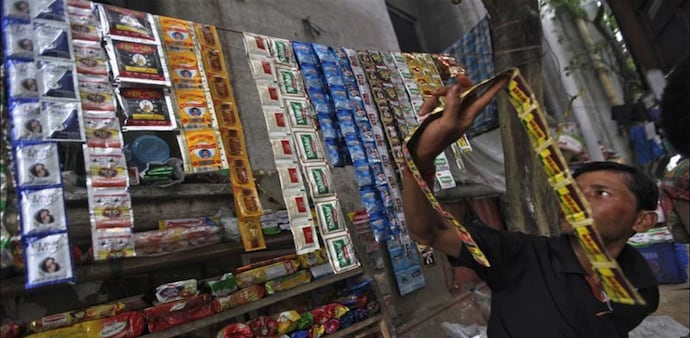
The Food Safety and Standards Authority of India (FSSAI) has proposed stricter packaging rules for pan masala products, seeking to prohibit the use of plastic and multilayer packaging materials commonly used in sachet packs sold across India.
In a draft notification issued on April 28, 2026, the food regulator proposed amendments to the Food Safety and Standards (Packaging) Regulations, 2018, stating, “Pan Masala shall be packed only in paper or paper board or cellulose based materials or other materials derived from naturally occurring substances free from plastic material.” The draft notification further said pan masala packaging material should be “free from plastic such as polyethylene, polypropylene, polyester, poly vinyl chloride and other plastic materials or any other synthetic polymers or laminates.”
It also proposed that pan masala products could alternatively be packed in “tin or glass containers".
MUST READ | FSSAI mandates registration for milk producers outside dairy cooperatives
In a significant move for the flexible-packaging industry, the regulator proposed that packaging materials should also be “free from aluminium foil and metalised or plastic materials.”
The notification additionally referred to provisions under the Plastic Waste Management Rules, 2016, which state that “sachet using plastic material shall not be used for storing, packing or selling gutkha, tobacco and pan masala.”
The proposal could have implications for manufacturers of flexible plastic laminates and multilayer sachets that are widely used by the pan masala and chewing tobacco industry because of their low cost, moisture resistance and ease of transportation.
Multilayer plastic packaging has increasingly come under regulatory scrutiny due to recycling challenges. According to the Central Pollution Control Board, plastic waste remains a major environmental challenge in India, with multilayer plastic waste among the difficult-to-recycle waste streams.
DON'T MISS | FSSAI cracks down on 'fake teas: Herbal blends now banned from using 'tea' label
Industry estimates suggest sachet-based packaging continues to dominate the pan masala market, particularly in low-price, high-volume products sold through small retail outlets across urban and rural India.
The draft notification has been issued for public consultation, with the regulator inviting objections and suggestions from stakeholders within 30 days from the date of publication of the notification.
If implemented, the proposed norms could force pan masala manufacturers and packaging suppliers to shift towards alternative packaging materials, potentially increasing packaging costs and requiring changes in existing packaging infrastructure.
The Food Safety and Standards Authority of India (FSSAI) has proposed stricter packaging rules for pan masala products, seeking to prohibit the use of plastic and multilayer packaging materials commonly used in sachet packs sold across India.
In a draft notification issued on April 28, 2026, the food regulator proposed amendments to the Food Safety and Standards (Packaging) Regulations, 2018, stating, “Pan Masala shall be packed only in paper or paper board or cellulose based materials or other materials derived from naturally occurring substances free from plastic material.” The draft notification further said pan masala packaging material should be “free from plastic such as polyethylene, polypropylene, polyester, poly vinyl chloride and other plastic materials or any other synthetic polymers or laminates.”
It also proposed that pan masala products could alternatively be packed in “tin or glass containers".
MUST READ | FSSAI mandates registration for milk producers outside dairy cooperatives
In a significant move for the flexible-packaging industry, the regulator proposed that packaging materials should also be “free from aluminium foil and metalised or plastic materials.”
The notification additionally referred to provisions under the Plastic Waste Management Rules, 2016, which state that “sachet using plastic material shall not be used for storing, packing or selling gutkha, tobacco and pan masala.”
The proposal could have implications for manufacturers of flexible plastic laminates and multilayer sachets that are widely used by the pan masala and chewing tobacco industry because of their low cost, moisture resistance and ease of transportation.
Multilayer plastic packaging has increasingly come under regulatory scrutiny due to recycling challenges. According to the Central Pollution Control Board, plastic waste remains a major environmental challenge in India, with multilayer plastic waste among the difficult-to-recycle waste streams.
DON'T MISS | FSSAI cracks down on 'fake teas: Herbal blends now banned from using 'tea' label
Industry estimates suggest sachet-based packaging continues to dominate the pan masala market, particularly in low-price, high-volume products sold through small retail outlets across urban and rural India.
The draft notification has been issued for public consultation, with the regulator inviting objections and suggestions from stakeholders within 30 days from the date of publication of the notification.
If implemented, the proposed norms could force pan masala manufacturers and packaging suppliers to shift towards alternative packaging materials, potentially increasing packaging costs and requiring changes in existing packaging infrastructure.