
India needs 12% annual growth to reach $30 trillion economy by 2047: CEA
Speaking at the 67th Institute Day celebrations of IIT Madras, Nageswaran cautioned that maintaining momentum over the long term would require addressing structural challenges, particularly in a complex and evolving geopolitical environment.
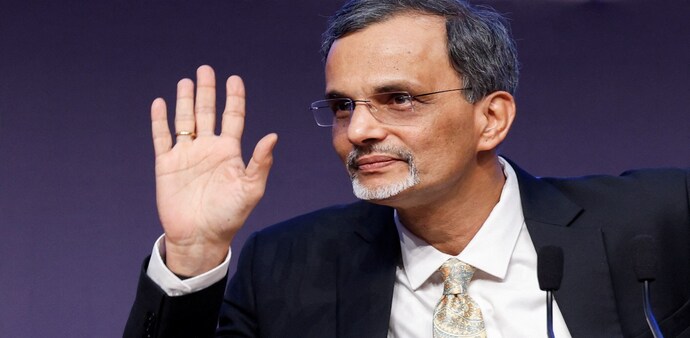
- Apr 30, 2026,
- Updated Apr 30, 2026 8:24 PM IST
India has the potential to become a $30 trillion economy by 2047, but achieving this milestone will require sustained high growth and a strong push toward technological advancement, Chief Economic Advisor (CEA) V Anantha Nageswaran said on Thursday.
Speaking at the 67th Institute Day celebrations of IIT Madras, Nageswaran stated that India would need to grow at around 12% annually in dollar terms to meet this ambitious target. India’s current GDP stands at approximately $3.91 trillion and is projected to nearly double to $7.8 trillion over the next six years, indicating a strong near-term growth trajectory.
However, he cautioned that maintaining momentum over the long term would require addressing structural challenges, particularly in a complex and evolving geopolitical environment. According to Nageswaran, India’s ability to achieve this goal hinges on strengthening its technological capabilities and investing in frontier research.
MUST READ: India wants cars to talk to each other and to traffic lights. Here is what that means
He emphasized that while India has traditionally excelled in frugal innovation, the next phase of growth will depend on advancing high-quality research in science and engineering. “India’s universities and laboratories must be at the cutting edge of the global knowledge ecosystem,” he said, stressing the need to build capabilities not just to adopt but also to adapt and scale global technologies to Indian conditions.
A key challenge, he noted, lies in translating research into real economic outcomes. Moving from pilot projects to patents, and eventually to productivity gains across sectors such as agriculture, manufacturing, and services, will be critical. Institutions like IIT Madras, he said, will play a pivotal role in driving this transition.
The event also celebrated notable achievements within the IIT Madras community. Distinguished alumni including OpenAI CTO Srinivas Narayanan and Perplexity AI CEO Aravind Srinivas were honoured, alongside industry leaders and academic contributors.
IIT Madras Director Prof V Kamakoti highlighted the institute’s consistent performance, noting its top rank in the NIRF engineering rankings for ten consecutive years from 2016 to 2025. He also pointed to the launch of IITM Global and the establishment of its Zanzibar campus as steps toward building a multinational academic presence.
Overall, Nageswaran’s remarks underscore that while India’s $30 trillion ambition is achievable, it will require sustained policy focus, innovation-led growth, and a long-term commitment to building global-scale capabilities.
MUST READ: From RIL to airlines: Which Indian sectors get impacted most when crude prices rise?
India has the potential to become a $30 trillion economy by 2047, but achieving this milestone will require sustained high growth and a strong push toward technological advancement, Chief Economic Advisor (CEA) V Anantha Nageswaran said on Thursday.
Speaking at the 67th Institute Day celebrations of IIT Madras, Nageswaran stated that India would need to grow at around 12% annually in dollar terms to meet this ambitious target. India’s current GDP stands at approximately $3.91 trillion and is projected to nearly double to $7.8 trillion over the next six years, indicating a strong near-term growth trajectory.
However, he cautioned that maintaining momentum over the long term would require addressing structural challenges, particularly in a complex and evolving geopolitical environment. According to Nageswaran, India’s ability to achieve this goal hinges on strengthening its technological capabilities and investing in frontier research.
MUST READ: India wants cars to talk to each other and to traffic lights. Here is what that means
He emphasized that while India has traditionally excelled in frugal innovation, the next phase of growth will depend on advancing high-quality research in science and engineering. “India’s universities and laboratories must be at the cutting edge of the global knowledge ecosystem,” he said, stressing the need to build capabilities not just to adopt but also to adapt and scale global technologies to Indian conditions.
A key challenge, he noted, lies in translating research into real economic outcomes. Moving from pilot projects to patents, and eventually to productivity gains across sectors such as agriculture, manufacturing, and services, will be critical. Institutions like IIT Madras, he said, will play a pivotal role in driving this transition.
The event also celebrated notable achievements within the IIT Madras community. Distinguished alumni including OpenAI CTO Srinivas Narayanan and Perplexity AI CEO Aravind Srinivas were honoured, alongside industry leaders and academic contributors.
IIT Madras Director Prof V Kamakoti highlighted the institute’s consistent performance, noting its top rank in the NIRF engineering rankings for ten consecutive years from 2016 to 2025. He also pointed to the launch of IITM Global and the establishment of its Zanzibar campus as steps toward building a multinational academic presence.
Overall, Nageswaran’s remarks underscore that while India’s $30 trillion ambition is achievable, it will require sustained policy focus, innovation-led growth, and a long-term commitment to building global-scale capabilities.
MUST READ: From RIL to airlines: Which Indian sectors get impacted most when crude prices rise?