


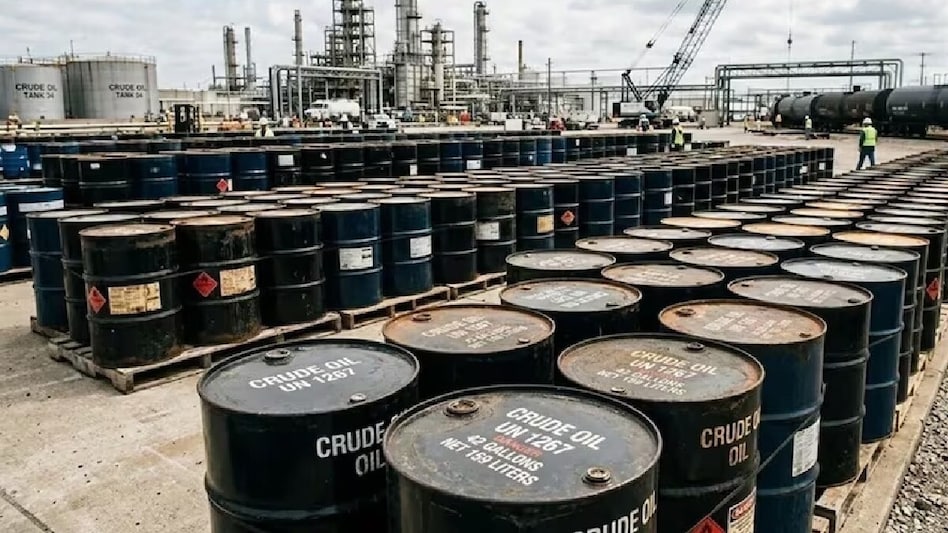
 The latest rally in global crude prices, driven by tensions in West Asia and supply disruptions, has once again highlighted which industries are most vulnerable when oil becomes expensive.
 When crude oil prices surge, the impact goes far beyond petrol and diesel. Rising oil prices quickly feed into manufacturing, transportation, aviation, packaging and consumer goods, reshaping the fortunes of multiple sectors across India Inc.
The latest rally in global crude prices, driven by tensions in West Asia and supply disruptions, has once again highlighted which industries are most vulnerable when oil becomes expensive. For India, which imports more than 80% of its crude requirement, prolonged price spikes can pressure corporate earnings and the broader economy.

 India is the second-best BRICS performer, but that is not enough: Economist Surjit Bhalla
 BRICS Summit 2026: PM Modi warns against turning critical supply chains into geopolitical tools
  China will push for a 'Greater BRICS': Ex-foreign secretary decodes Delhi summit, says test will come in 2027
 'India must seriously evaluate exiting UN': Zoho's Sridhar Vembu
 'Need to reflect 2026, and no longer 1945': UN endorses PM Modi’s push for UNSC overhaul in BRICS 2026
 “Development And Environment Are Complementary”: PM Modi On Sustainability At BRICS
 Modi@25: Amit Shah Announces Seva Sankalp Campaign From Sept 17 To Mark Modi’s 25 Years Of Service
 “BRICS’ Relevance Is Growing”: PM Modi As 18th BRICS Summit Draws To Close
 “BRICS Must Involve Citizens”: PM Modi On Expanding Friendship, Partnership And Cooperation
 Gen Z Wealth Creation: Why Patience, Long-Term Investing & Compounding Matter For Young Investors
 Avoid jewellery; stick to ETFs, bars and coins for investment this festive season: Navneet Damani
 SEBI’s CAS proposals: Expert weighs in on new expiry-day settlement price methodology
 Large caps stocks under pressure as rising US bond yields, crude prices weigh on foreign flows
  SEBI proposes bringing unexecuted Iceberg orders into closing auction
 SEBI proposes new expiry-day settlement formula for derivatives after CAS concerns
 Meet Sidharth Babu, the IFS officer who stood alongside Modi, Putin, and Xi at BRICS
 Gen Z Protests: Amit Shah Backs Dialogue, Takes Swipe at Congress Over Emergency
 Amit Shah Hails India’s Global Rise, Modi’s Popularity And NDA’s Political Strength
 UCC In All NDA States By 2029, Zero Tolerance Towards Terrorism Says Home Minister Amit Shah
 PM Modi's former schoolmate alleges land grab in Maharashtra, seeks CBI probe












