


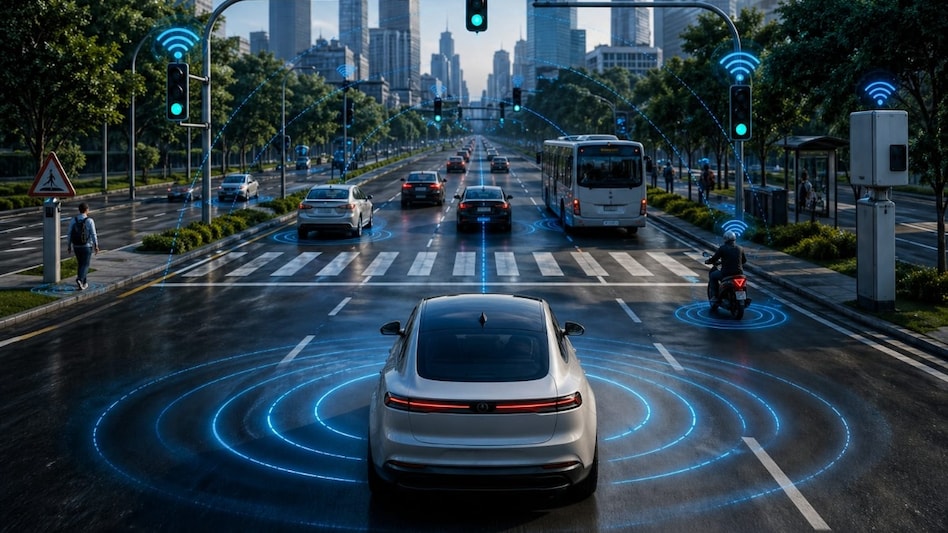
 V2X refers to a set of technologies that allow cars to exchange data with their environment using sensors, cameras and wireless connectivity like 4G and 5G.
India's roads kill lakhs of people every year and human error is behind the majority of those deaths. A new regulatory push by the Telecom Regulatory Authority of India suggests that wireless technology, not just better enforcement, could be part of the answer.
TRAI has released a consultation paper proposing a framework for Vehicle-to-Everything communication. The idea is straightforward, equip vehicles and road infrastructure with wireless technology so that they can exchange data in real time, alerting drivers, warning pedestrians of oncoming traffic and helping cities manage congestion more efficiently.

 BT Weekender: Planning to fly with your pet? You have company
 Russia to supply diesel to US amid fuel crisis; Zelenskyy says deal will prolong Ukraine war
 Delhi traffic advisory for October 10: 30 roads to face diversions amid CJP protest
 'LoP's claims are incorrect': Govt rejects Rahul Gandhi's claim after President Murmu meeting on 'vote chori'
 Gold prices fall 8.5% in September, but ETFs attract $10 billion: What explains the disconnect?
 Silver Investment Outlook: Why Gen Z Should Watch This Metal's Long-Term Growth Potential
 Gold Price Outlook: Is This the Right Time to Invest? Expert Sees Potential for New Highs
 India Slams US PERM Suspension, Says JD Vance’s ‘Indentured Servants’ Remark Is Offensive
 Govt Plans Tighter Rules For Prescription Drug Ads, Pharmacies And Wholesalers In Focus
 Apple May Unveil Touchscreen MacBook, OLED iPad Mini In October: What To Expect
 Market on the back foot, opportunities ahead: where should investors put their money?
 Poonawalla Fincorp Q2 earnings: Net profit zooms 405%, NII at Rs 1,589 crore
  Vedanta, TCS shares to turn ex-dividend; Ola rights issue; 2 stock splits next week
 IPO rush: Rs 50,000 crore worth IPOs to hit Street by Diwali; Jio, Avada to lead fundraise
 Adani Ports, GMR Airports rise up to 5% amid block deal reports; check details 'LoP's claims are incorrect': Govt rejects Rahul Gandhi's claim after President Murmu meeting on 'vote chori'Gold prices fall 8.5% in September, but ETFs attract $10 billion: What explains the disconnect?
 Petrol, diesel prices today (October 10): Check latest rates in Delhi, Mumbai, Chennai, Kolkata & more
 Quote of the Day by Narayana Murthy : 'It is a well-known fact that bringing in technologies in retail sector is good for consumers'Russia to supply diesel to US amid fuel crisis; Zelenskyy says deal will prolong Ukraine war












