
Iran–Israel conflict explained: What started the war
The Iran–Israel conflict didn’t erupt overnight. From nuclear tensions and proxy battles to regional rivalries, here are the key events that pushed the Middle East toward war.
- Mar 5, 2026,
- Updated Mar 5, 2026 5:13 PM IST
- 1/9
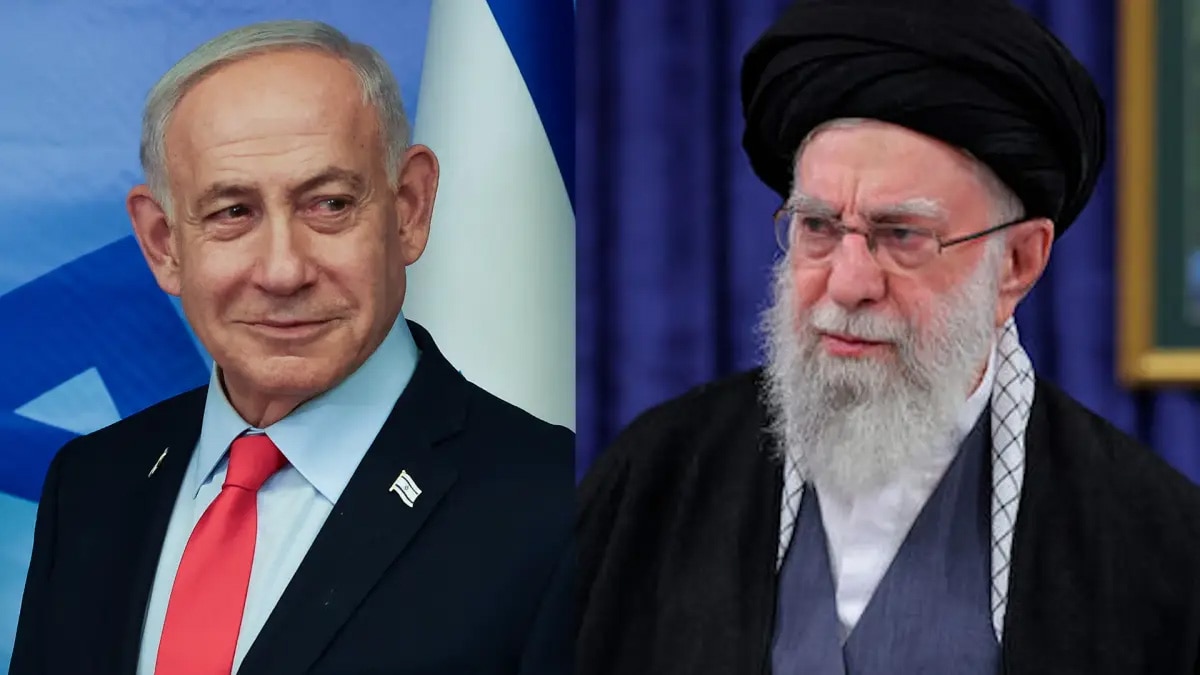
For decades, tensions between Iran and Israel simmered beneath the surface, driven by ideological clashes, regional influence battles and nuclear fears. Experts from the International Crisis Group say this rivalry has long been the Middle East’s most volatile fault line.
- 2/9
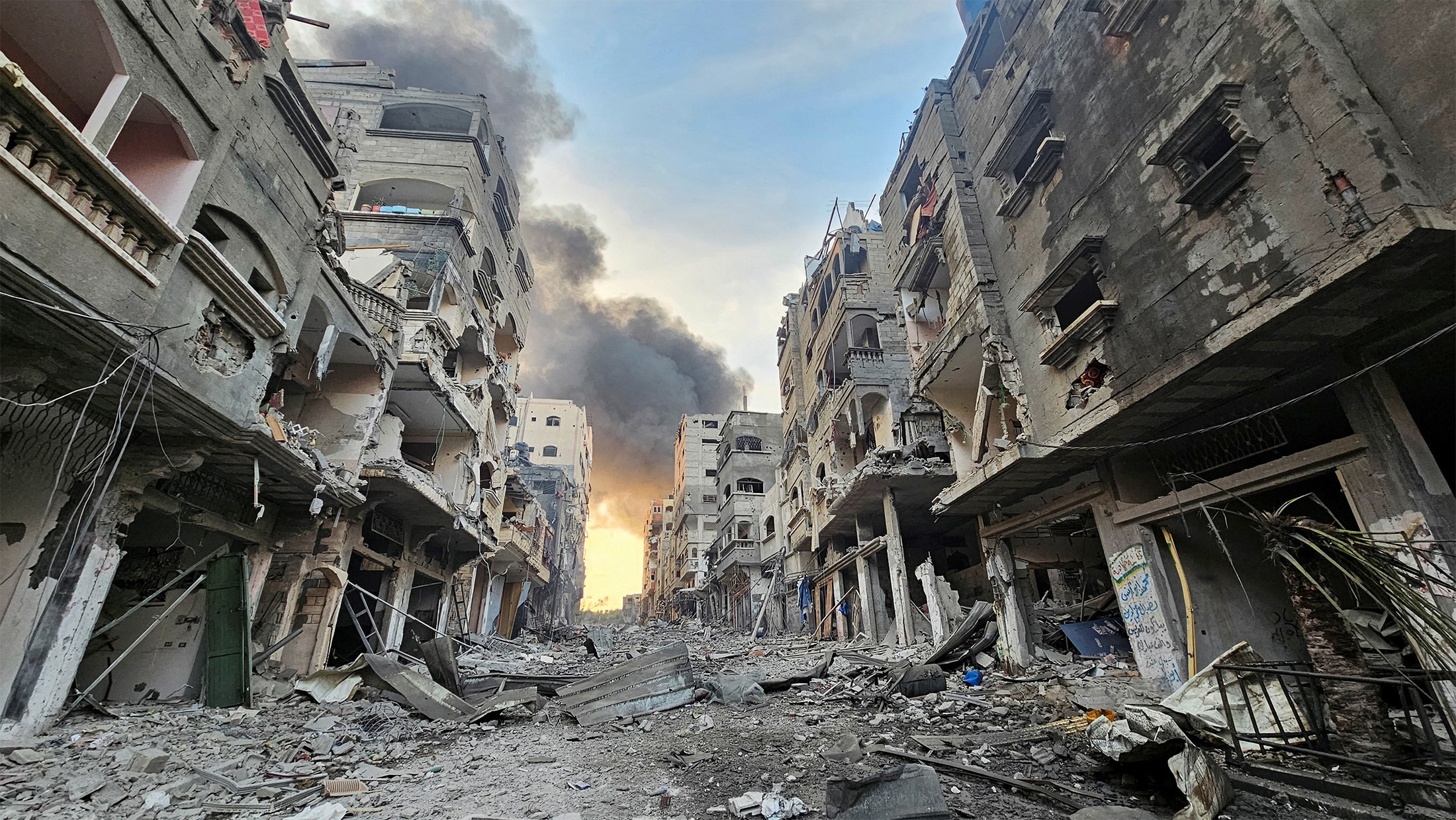
Before direct confrontation, the conflict played out through proxy groups across the region. From Lebanon to Syria and Gaza, militias backed by Iran and Israel’s military responses created a shadow war that slowly pushed both sides closer to open conflict.
- 3/9
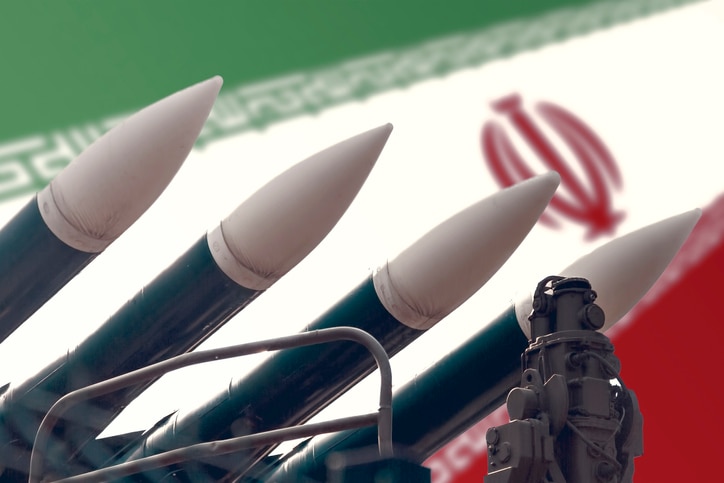
One of the biggest triggers has been Iran’s nuclear programme. Israel has repeatedly warned that a nuclear-armed Iran would be an existential threat. Intelligence reports and diplomatic tensions have kept the nuclear issue at the centre of global concern.
- 4/9
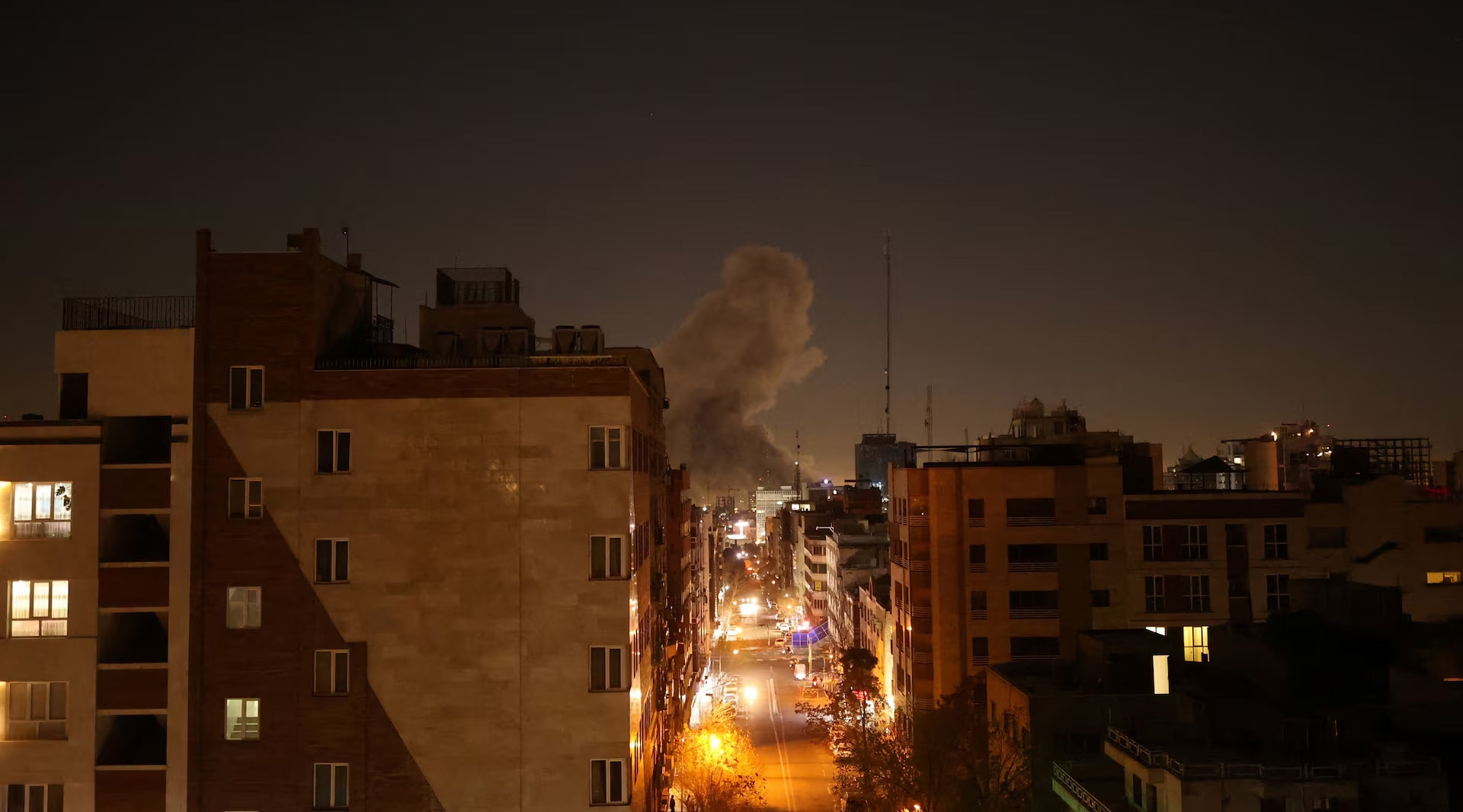
Years before open escalation, both sides carried out covert attacks. Cyber operations, targeted assassinations of scientists and mysterious explosions at military sites became part of a hidden conflict that analysts say steadily eroded diplomatic options.
- 5/9
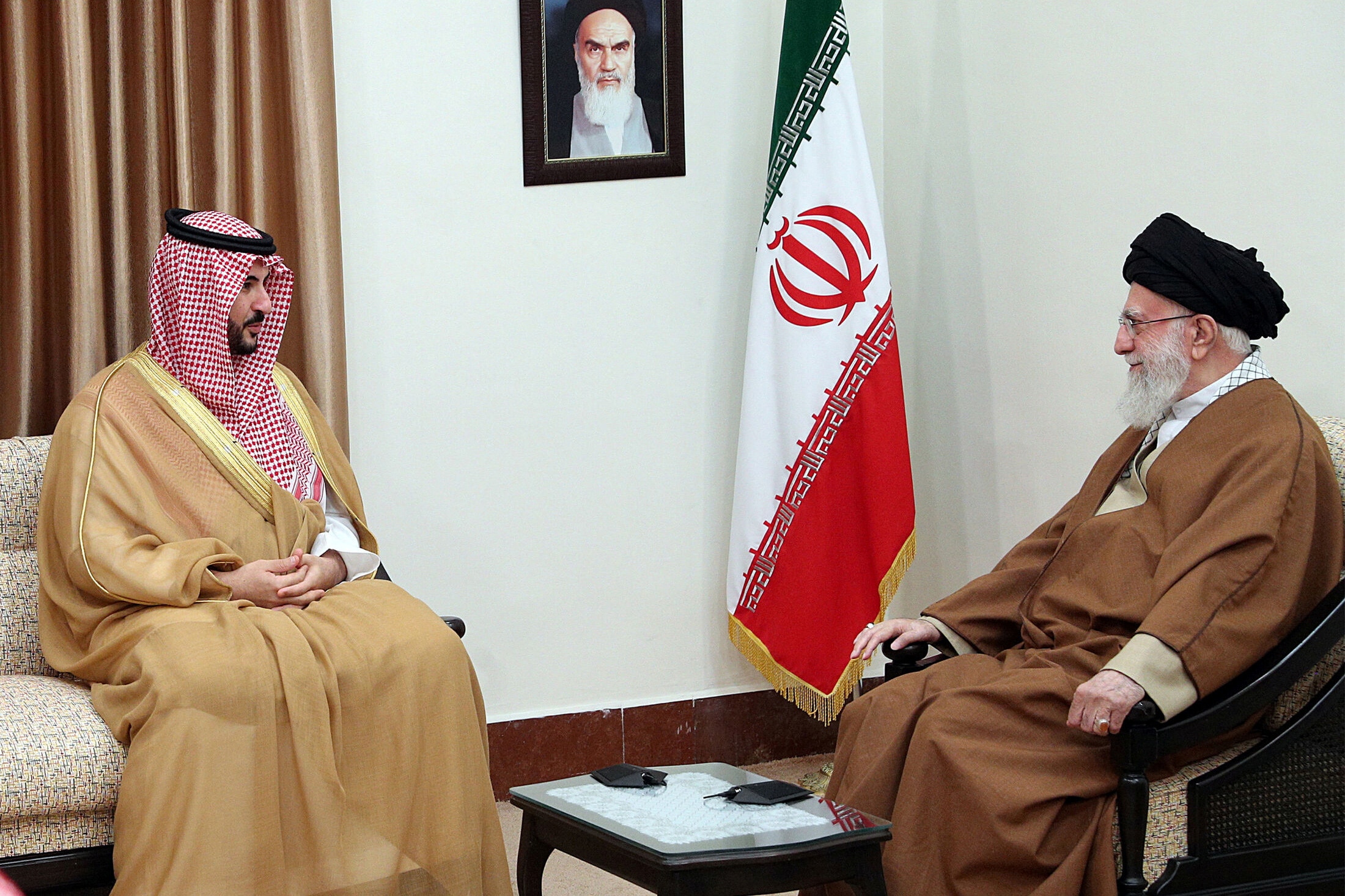
The Middle East’s complex alliances intensified the crisis. Gulf states, global powers and militant groups all have stakes in the balance of power. Political scientists warn that such layered rivalries make any local confrontation far harder to contain.
- 6/9
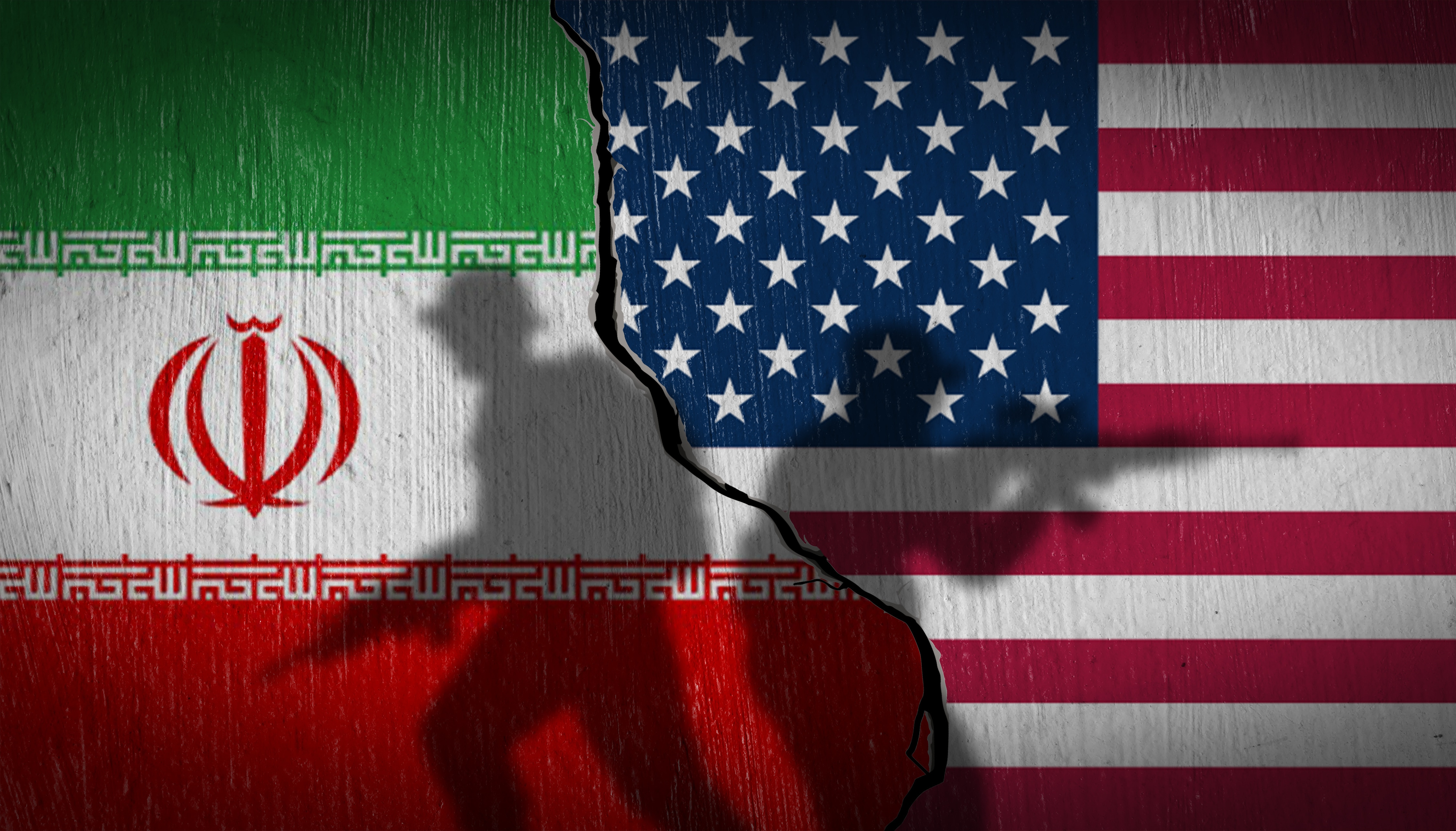
What began as strategic tension eventually erupted into open confrontation. Military strikes and retaliatory threats pushed the crisis beyond diplomacy, forcing world leaders and global markets to brace for a wider regional war.
- 7/9
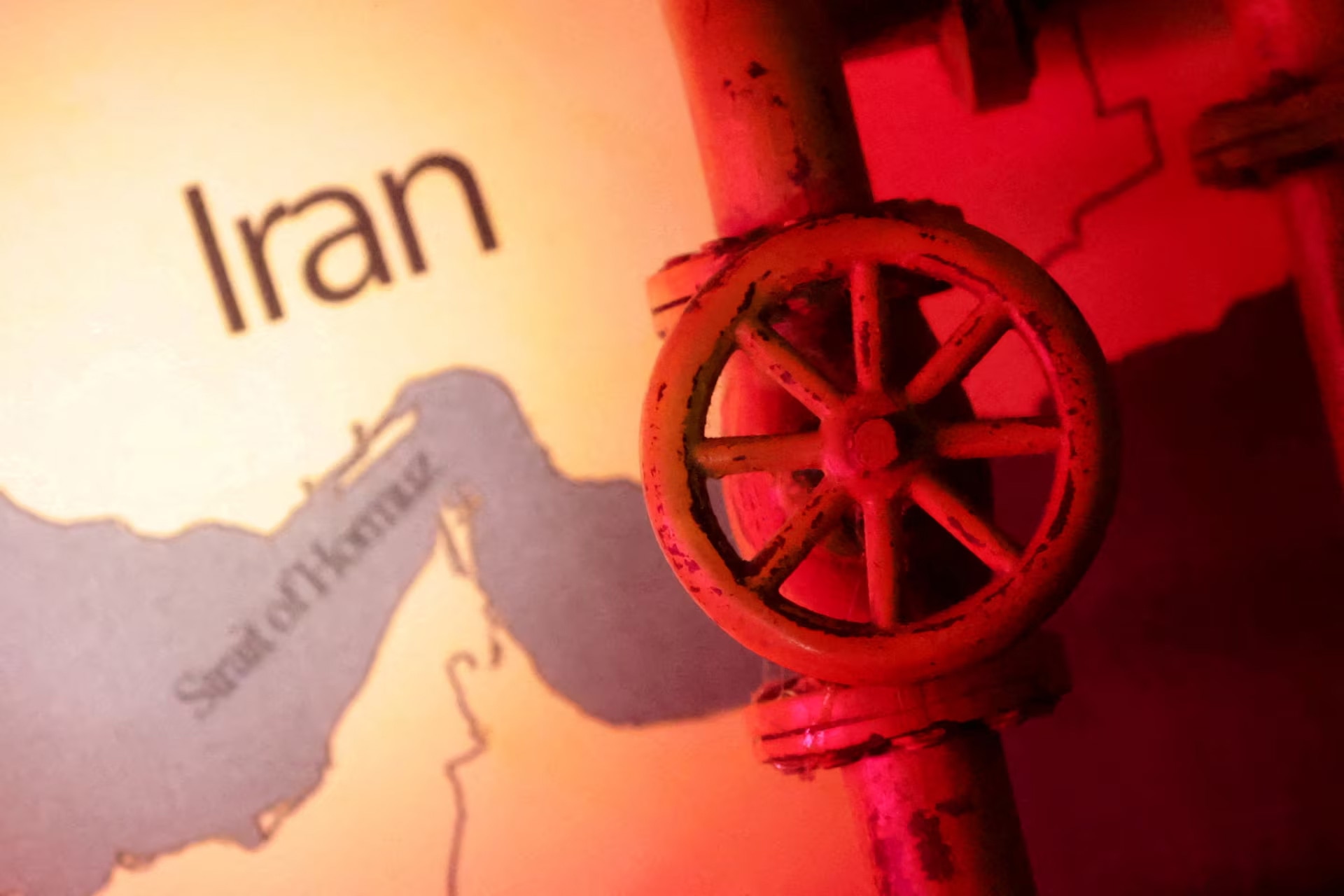
The conflict’s location adds enormous economic risk. Key energy routes such as the Strait of Hormuz sit at the centre of the standoff. Economists warn that disruptions here could shake oil markets and trigger global inflation shocks.

- 8/9
Major powers quickly reacted as the crisis intensified. Diplomatic statements, emergency meetings and military positioning revealed how closely the international community watches any escalation between Iran and Israel.
- 9/9
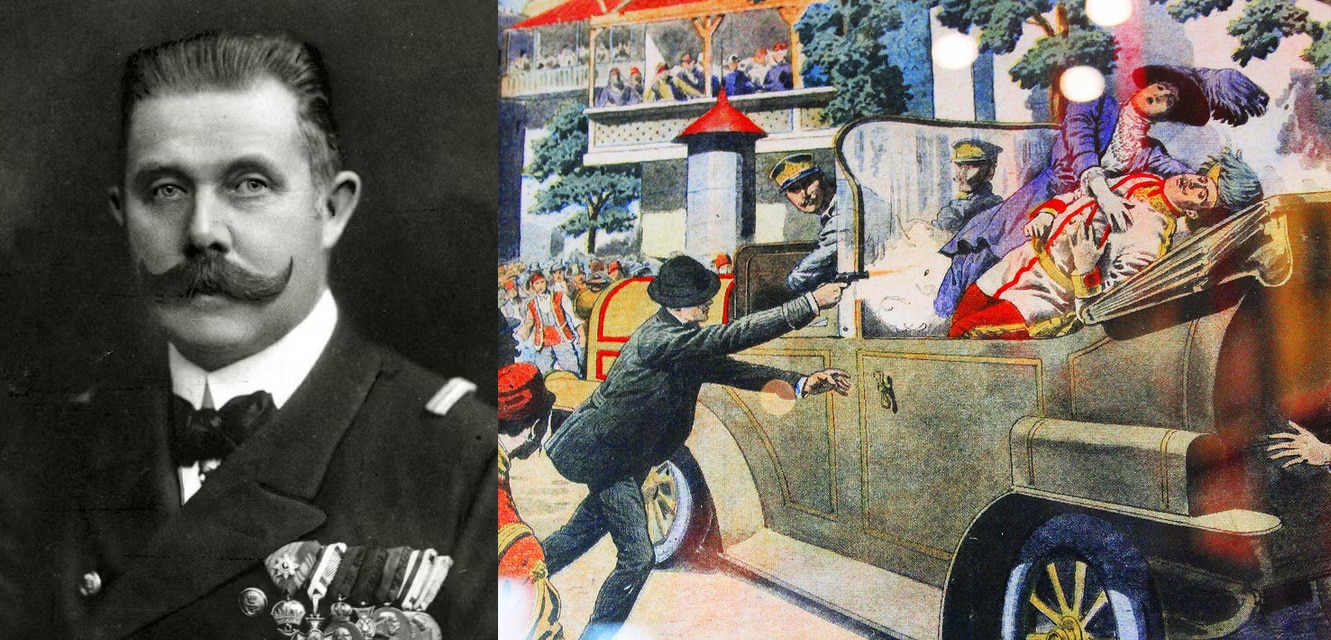
Historians note that many global wars begin with regional flashpoints. From Sarajevo in 1914 to conflicts in the Middle East today, small sparks in politically tense regions often evolve into crises with worldwide consequences.