
Russia’s Medvedev warns: WW3 looms if US doesn’t halt Iran strikes
Dmitry Medvedev warns World War Three could erupt amid rising US-Iran-Israel tensions, invoking nuclear threats and signaling deepening geopolitical divides.
- Mar 3, 2026,
- Updated Mar 3, 2026 4:51 PM IST
- 1/9
Dmitry Medvedev’s warning that World War Three could begin “at any moment” has reignited fears of nuclear escalation. By invoking Hiroshima and Nagasaki as mere “child’s play,” the former Russian president deliberately raised the stakes, signaling how Moscow wants the world to interpret rising tensions.
- 2/9
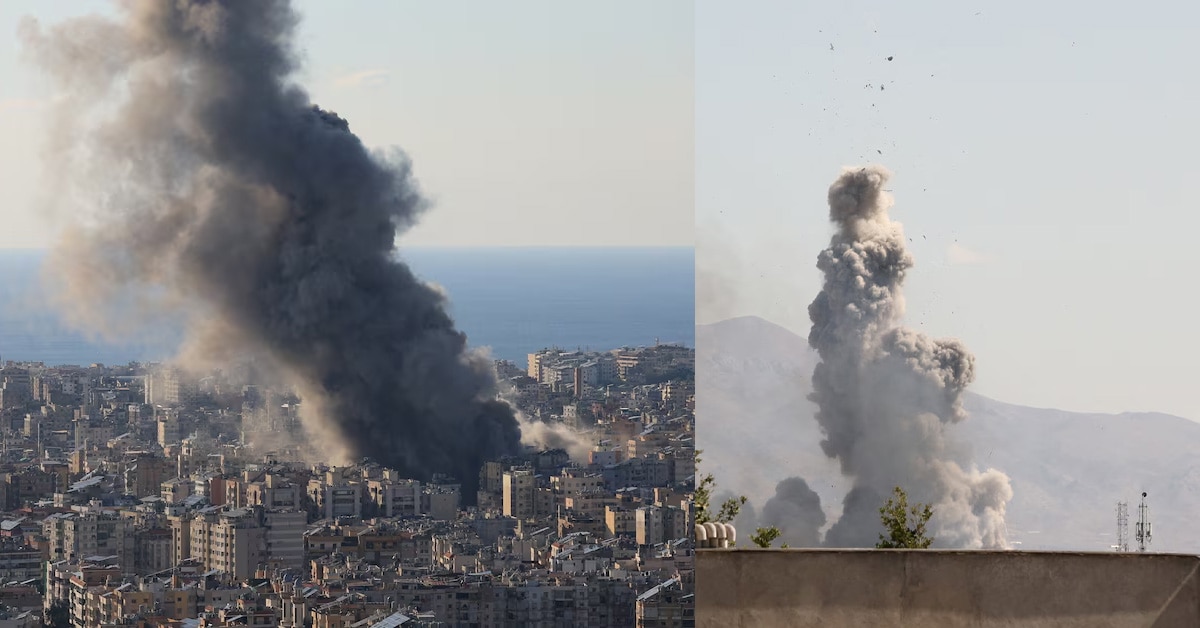
“Any event could be the trigger,” Medvedev said, suggesting global stability now hangs on a single miscalculation. Analysts often warn that modern conflicts escalate not by grand strategy but by rapid retaliation cycles — one strike answered by another, diplomacy sidelined.
- 3/9
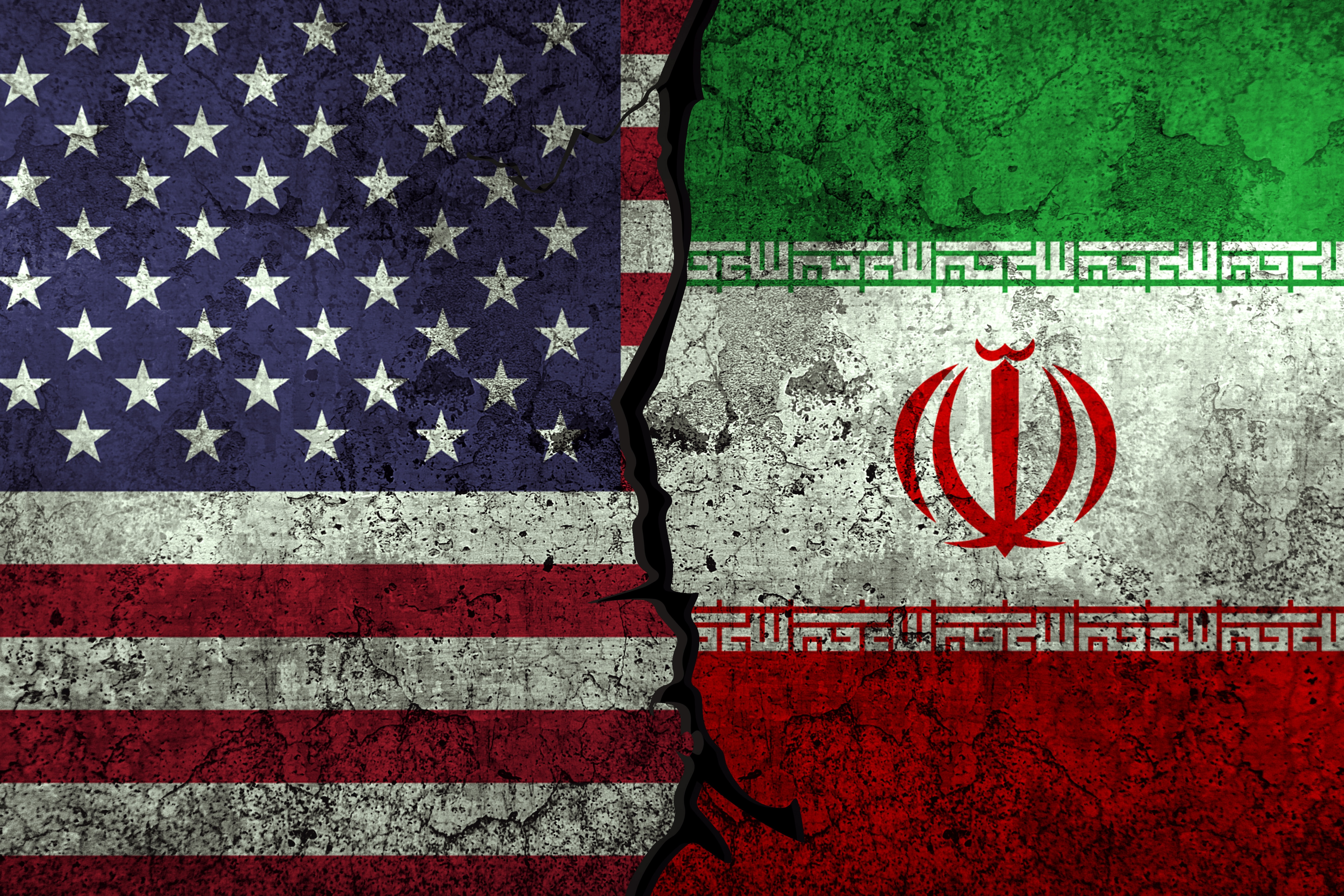
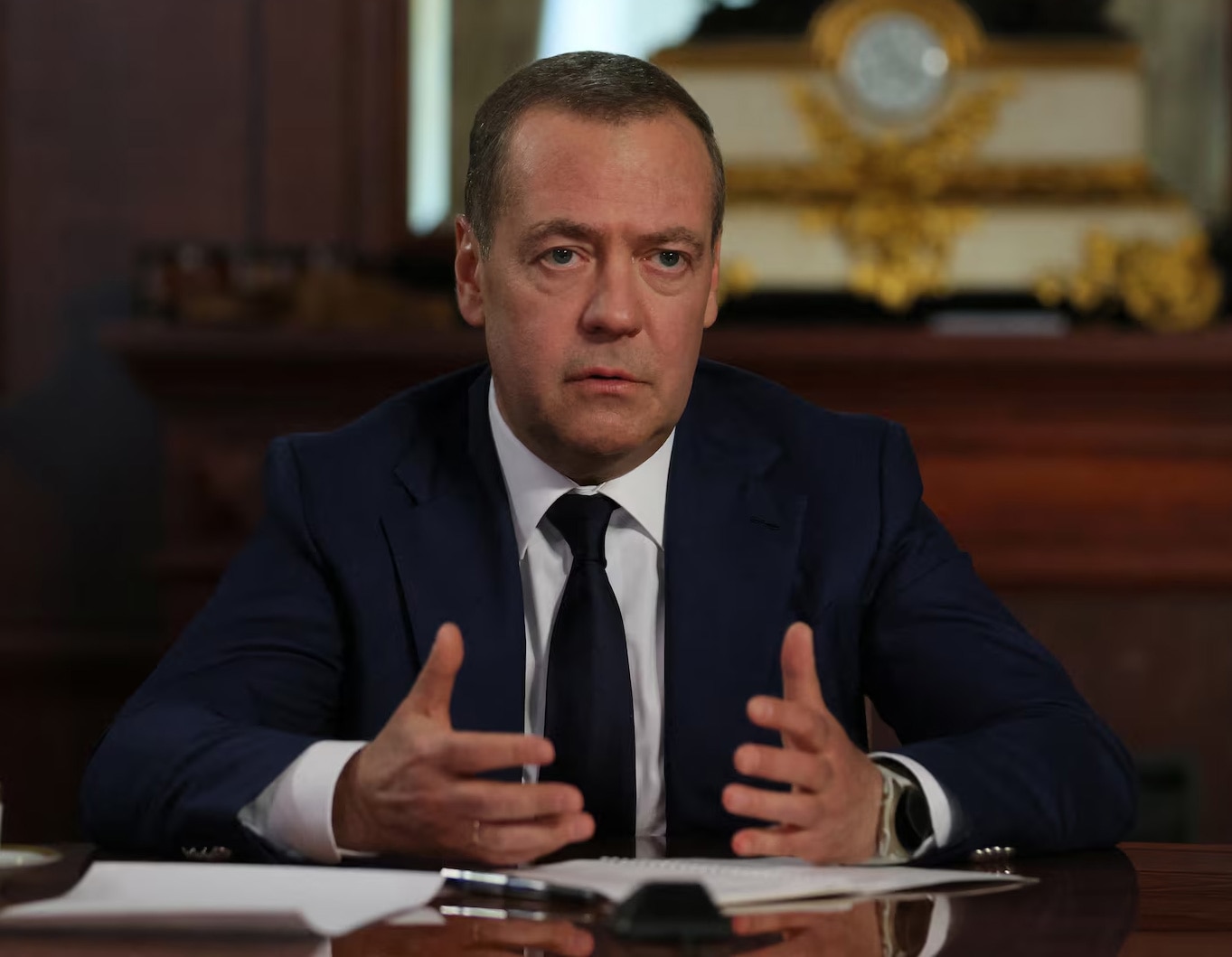
Medvedev framed US-Israeli action against Iran as a potential catalyst for wider war. The Middle East has long been considered a geopolitical tinderbox, where regional rivalries intersect with nuclear anxieties and superpower involvement.
- 4/9
By claiming a new war would dwarf past atomic devastation, Medvedev placed nuclear deterrence back in public discourse. Strategic experts note that modern arsenals are far more destructive than 1945 weapons — making rhetoric itself a powerful geopolitical signal.
- 5/9
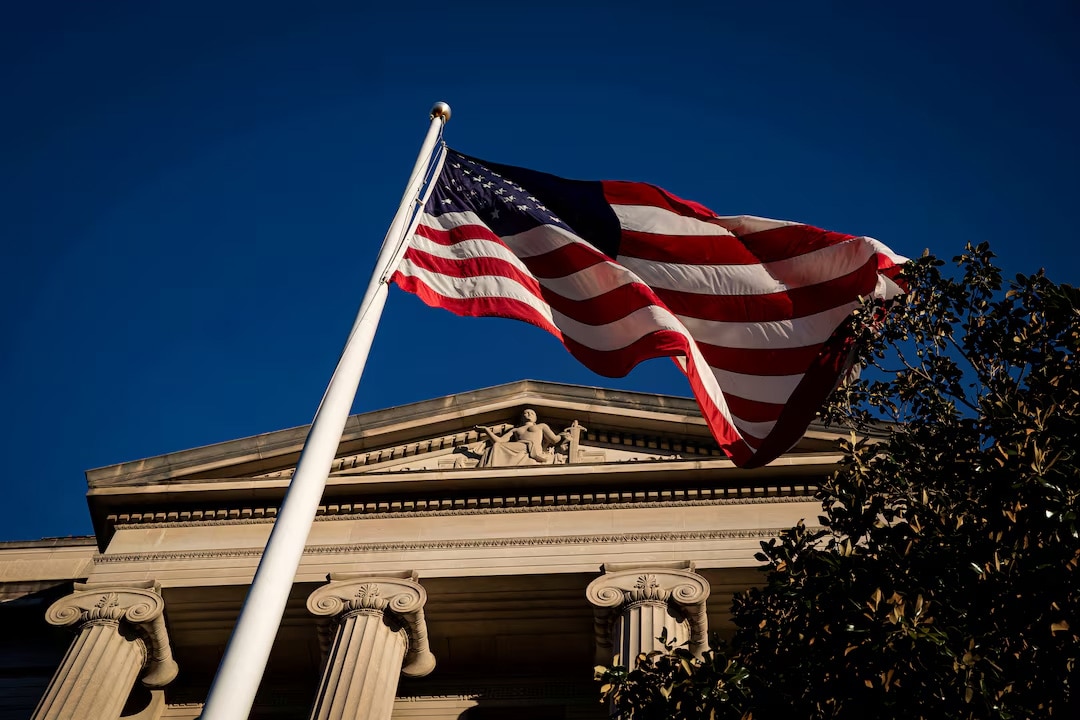
Medvedev argued that US citizens are now “under potential attack,” widening the psychological battlefield beyond military zones. Security analysts say such statements are meant to project vulnerability narratives and deter further intervention.
- 6/9
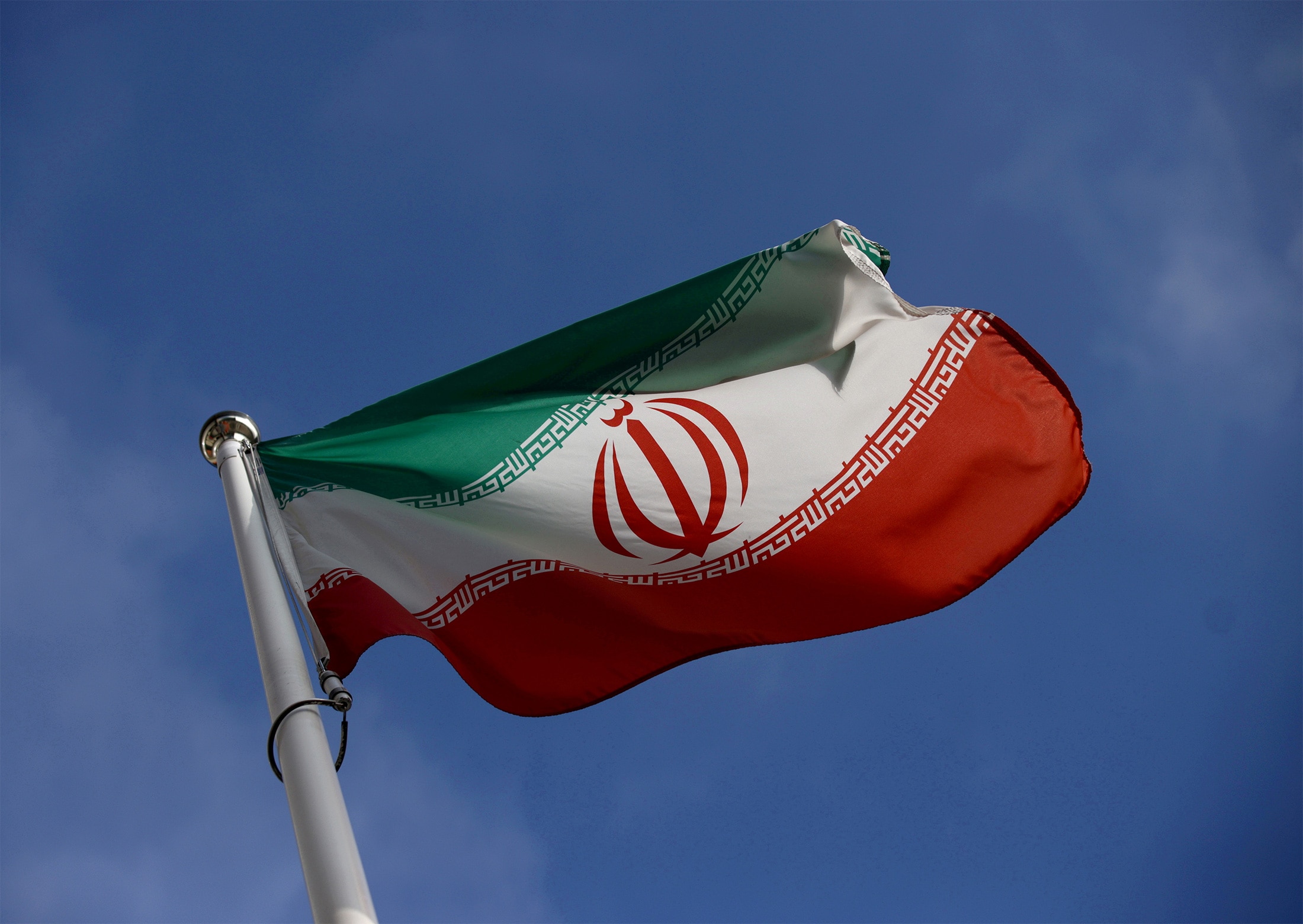
He suggested Iran may now pursue nuclear capability with “redoubled energy.” Non-proliferation experts have long warned that regime pressure can sometimes accelerate — not halt — nuclear ambitions, reshaping regional power balances.
- 7/9
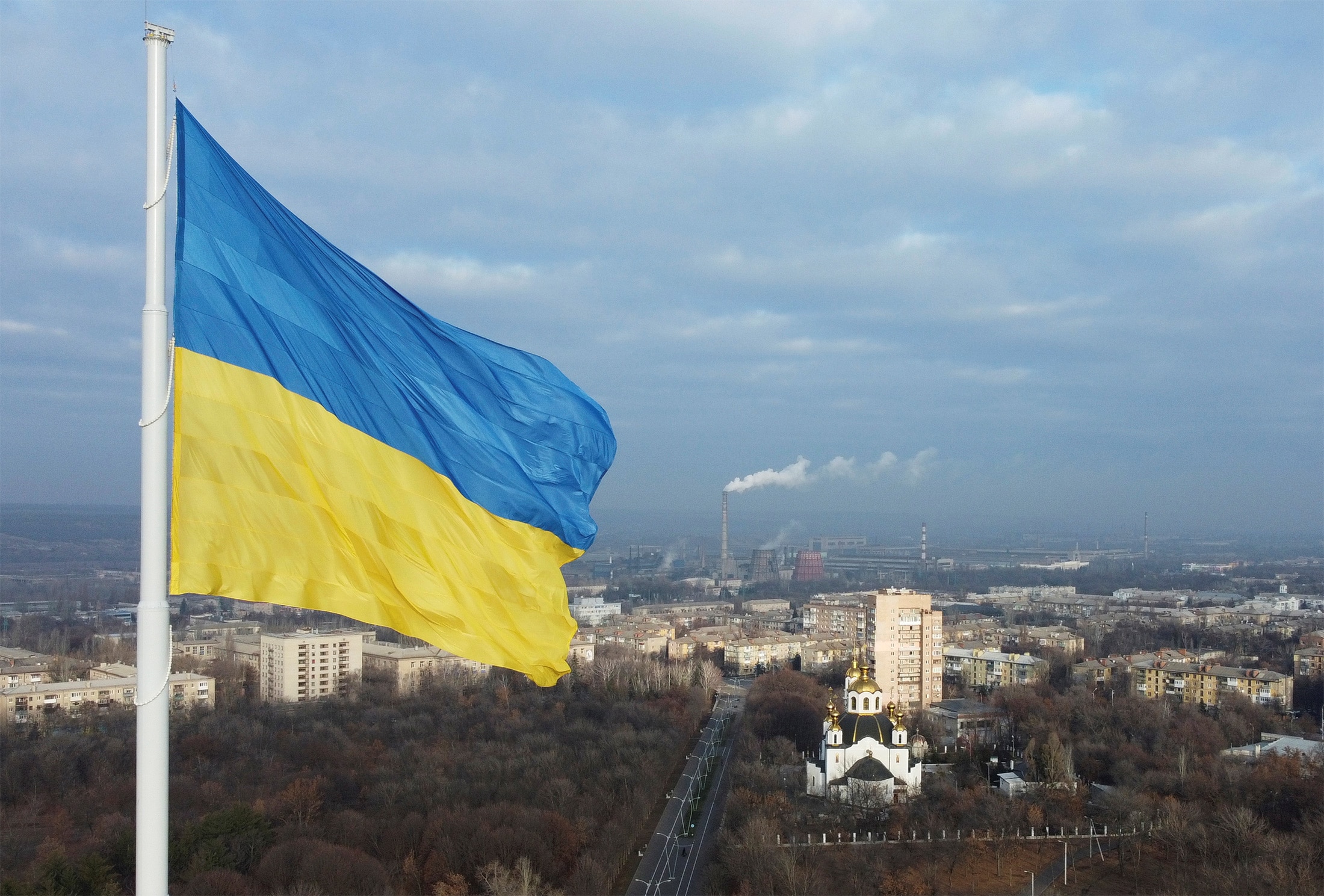
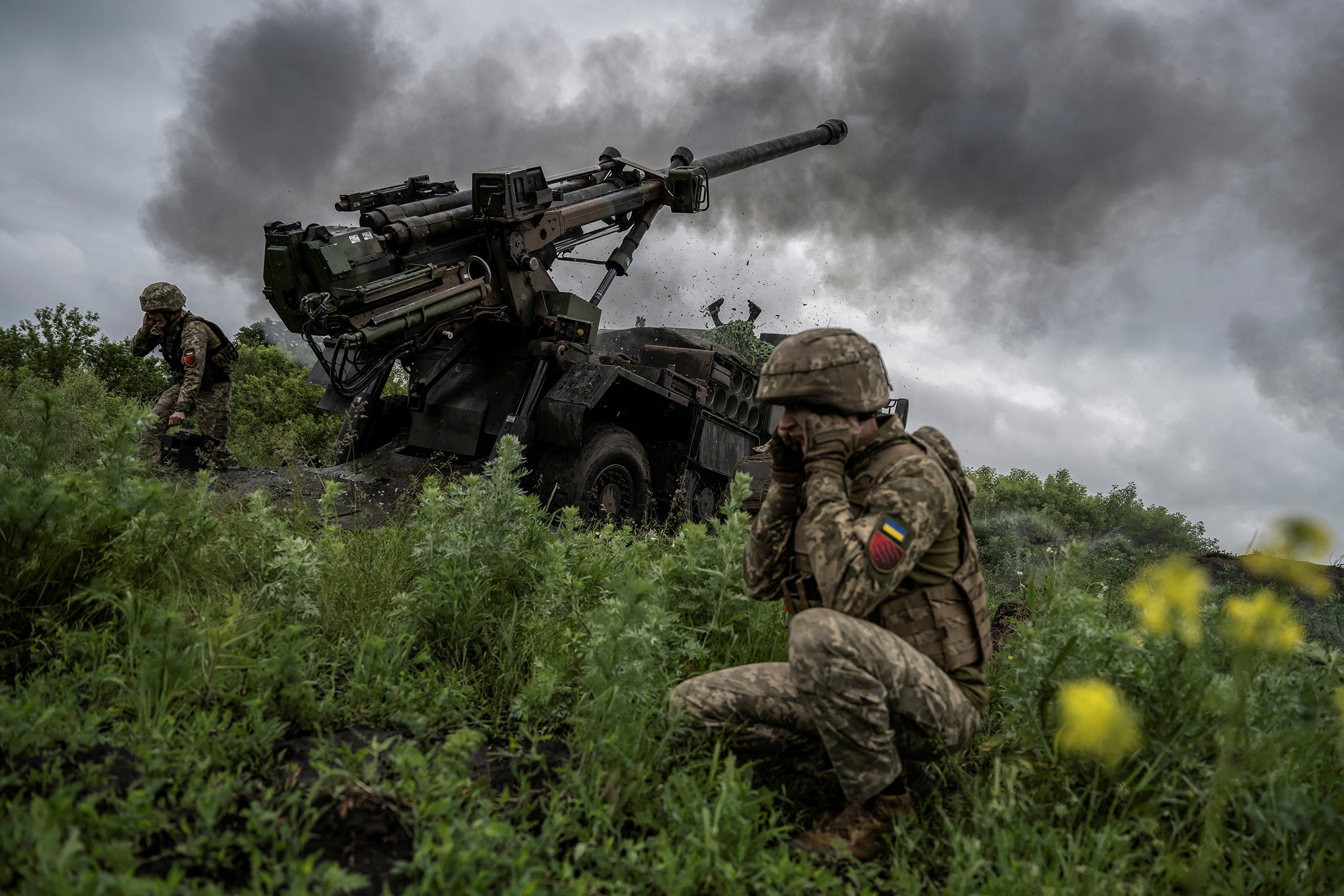
Medvedev downplayed negotiations over Ukraine, insisting Moscow’s primary focus remains “winning the war.” That framing underscores how Russia sees global crises as interconnected theatres rather than isolated flashpoints.
- 8/9
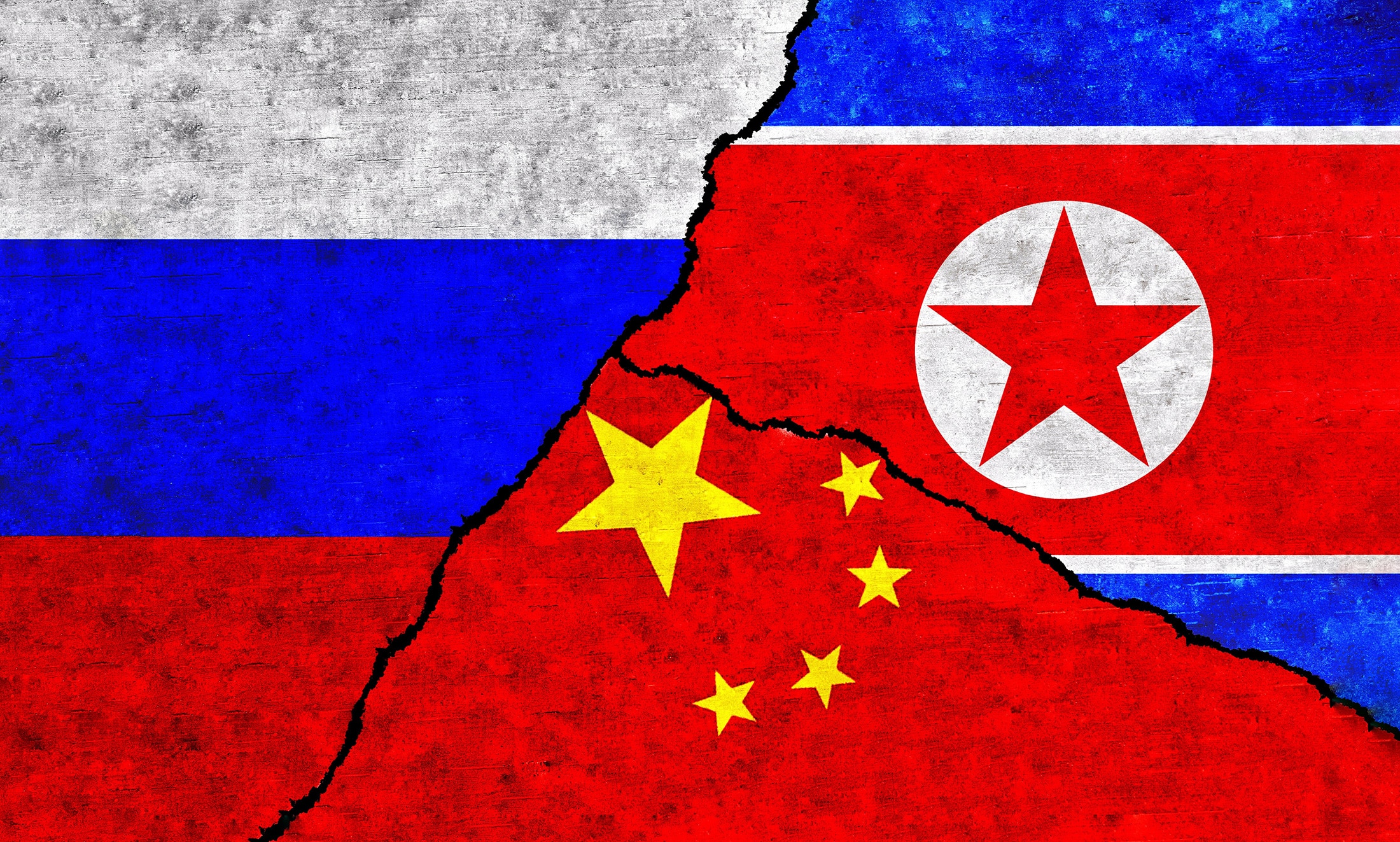
Russia, China and North Korea condemning US-Israeli actions highlights shifting global alignments. Analysts describe this as a consolidation of geopolitical blocs — not formal alliances, but coordinated diplomatic messaging.
- 9/9
Military historians often warn that world wars rarely begin with formal declarations. Instead, they evolve through cascading misjudgments. Medvedev’s language reflects that anxiety — a sense that escalation could outrun diplomacy at any time.