
Flydubai incident raises a question: Should cockpit doors be locked from inside?
Flydubai incident: Captain Smit Machchhar, despite being wounded, resisted the attacker and ensured that help from the cabin could reach the cockpit by making sure the doors could be breached.
- Oct 2, 2026,
- Updated Oct 2, 2026 10:37 AM IST
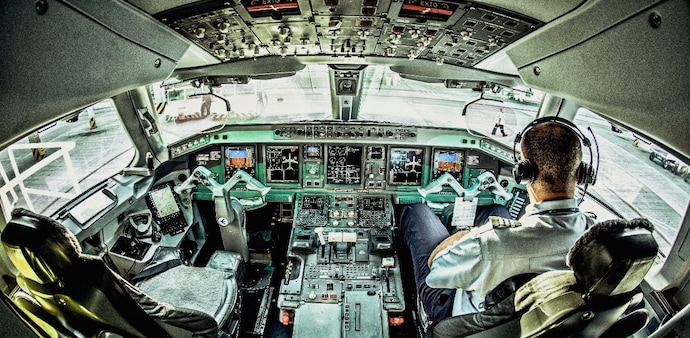
Flydubai pilot attack: The Flydubai incident has not thrown up a host of security questions, it has also raised one pertinent question – should cockpit doors be locked from inside at all? This comes after passengers and a wounded pilot stopped the co-pilot’s attempt to crash a Flydubai flight carrying more than 170 people.
During Wednesday’s flight FZ 1073 from Dubai to Tel Aviv, one pilot stabbed another and apparently attempted to crash the aircraft. Captain Smit Machchhar, despite being wounded, resisted the attacker and ensured that help from the cabin could reach the cockpit by making sure the doors could be breached.
Now, why are cockpit doors locked from inside anyway?
The reason behind locking the cockpit doors to be controlled from inside is to prevent unauthorised entry and to protect the pilots. After the September 11 attacks, reinforced, locked cockpit doors became a standard to prevent hijacking or to stop unauthorised people from entering the cockpit.
Pilots can, however, verify who is requesting entry before opening the door. Cabin crew usually has a designated procedure to request access.
Modern cockpit doors are reinforced and designed to withstand substantial attempts at forced entry. The system isn't simply a permanently sealed door. There are procedures that allow authorized cabin crew to request access, and aircraft have emergency procedures for situations such as a pilot becoming incapacitated.
Considering the Flydubai incident, is it a good idea?
According to a report in The Guardian, aviation security expert Philip Baum said the industry had lost more lives since 9/11 through aircraft-assisted suicide than terrorism. He argued that cockpit doors can become a barrier preventing people outside the flight deck from intervening when a pilot poses a threat.
The 2015 Germanwings crash highlighted that risk when a suicidal co-pilot locked the captain out and deliberately crashed the aircraft, killing 150 people. A 2013 Mozambique Airlines crash, which killed 33, was also judged by investigators to have involved pilot suicide, with the co-pilot apparently locked out.
Questions about pilot intent have also persisted around unexplained disasters including Malaysia Airlines flight MH370, the 2025 Air India crash in Ahmedabad and the 2022 China Eastern crash, although the causes and circumstances differ and pilot intent has not been established in all the cases.
Baum argues for some form of cockpit-door override, potentially timed or controlled from the ground, while stressing that security should begin with extensive background checks, medical examinations and psychological assessments of pilots, as mentioned in the report.
“Whatever happened yesterday,” Baum said, “We know that that cockpit barrier can impede a rescue attempt if there are rogue pilots.”
MUST READ | 'UAE law applies': Abu Dhabi asserts jurisdiction over flydubai cockpit attack probe
Flydubai pilot attack: The Flydubai incident has not thrown up a host of security questions, it has also raised one pertinent question – should cockpit doors be locked from inside at all? This comes after passengers and a wounded pilot stopped the co-pilot’s attempt to crash a Flydubai flight carrying more than 170 people.
During Wednesday’s flight FZ 1073 from Dubai to Tel Aviv, one pilot stabbed another and apparently attempted to crash the aircraft. Captain Smit Machchhar, despite being wounded, resisted the attacker and ensured that help from the cabin could reach the cockpit by making sure the doors could be breached.
Now, why are cockpit doors locked from inside anyway?
The reason behind locking the cockpit doors to be controlled from inside is to prevent unauthorised entry and to protect the pilots. After the September 11 attacks, reinforced, locked cockpit doors became a standard to prevent hijacking or to stop unauthorised people from entering the cockpit.
Pilots can, however, verify who is requesting entry before opening the door. Cabin crew usually has a designated procedure to request access.
Modern cockpit doors are reinforced and designed to withstand substantial attempts at forced entry. The system isn't simply a permanently sealed door. There are procedures that allow authorized cabin crew to request access, and aircraft have emergency procedures for situations such as a pilot becoming incapacitated.
Considering the Flydubai incident, is it a good idea?
According to a report in The Guardian, aviation security expert Philip Baum said the industry had lost more lives since 9/11 through aircraft-assisted suicide than terrorism. He argued that cockpit doors can become a barrier preventing people outside the flight deck from intervening when a pilot poses a threat.
The 2015 Germanwings crash highlighted that risk when a suicidal co-pilot locked the captain out and deliberately crashed the aircraft, killing 150 people. A 2013 Mozambique Airlines crash, which killed 33, was also judged by investigators to have involved pilot suicide, with the co-pilot apparently locked out.
Questions about pilot intent have also persisted around unexplained disasters including Malaysia Airlines flight MH370, the 2025 Air India crash in Ahmedabad and the 2022 China Eastern crash, although the causes and circumstances differ and pilot intent has not been established in all the cases.
Baum argues for some form of cockpit-door override, potentially timed or controlled from the ground, while stressing that security should begin with extensive background checks, medical examinations and psychological assessments of pilots, as mentioned in the report.
“Whatever happened yesterday,” Baum said, “We know that that cockpit barrier can impede a rescue attempt if there are rogue pilots.”
MUST READ | 'UAE law applies': Abu Dhabi asserts jurisdiction over flydubai cockpit attack probe