
From ₹15,000 to ₹36,000: She never became a teacher—but what happened next transformed her life
"From a ₹15,000 school-library salary to ₹36,000 a month through household gig apps, Kiran says technology gave her the choice and the chance to rewrite her future."
- Jul 15, 2026,
- Updated Jul 15, 2026 5:27 PM IST
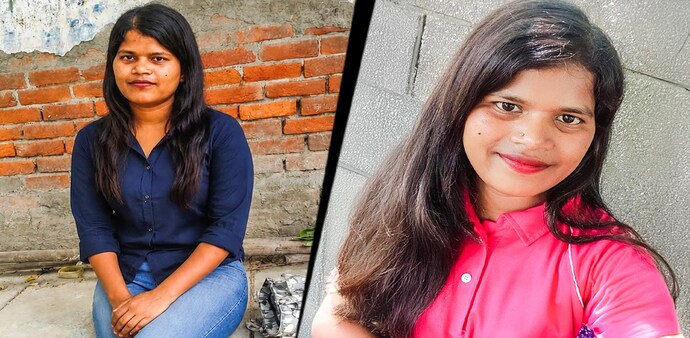
When Kiran sat for her Class 12 board exams in 2006, she hoped to become a teacher. A sudden family tragedy ended that path and thrust the eldest of six siblings into the role of bread earner. Two decades later, the woman who once worked fixed shifts in a school library now earns more than double her former salary by offering domestic services through online platforms — a shift that illustrates how the gig economy is changing livelihoods for workers with limited access to formal employment.
A long road to stability
After her father’s death, Kiran left her small town and came to the Delhi region in 2008 seeking work, according to India Today. Early jobs included tutoring children and packing chargers in Noida for long shifts that paid barely enough to survive. In 2017 she landed a more stable post in a school library role with a fixed nine-and-a-half-hour shift and a monthly salary of ₹15,000. For the first time, she felt some security.
Lockdown upends plans
The COVID-19 lockdowns brought another rupture. With schools shut, Kiran lost her library job and returned to domestic work in residential societies – sweeping, mopping and cooking – but even after working in four to five homes, she made only about ₹12,000–13,000 a month. The instability revived the search for a sustainable income.
A platform pivot
Kiran’s turning point came when she switched from informal, in-person sourcing to registering on online domestic-help platforms such as InstaHelp. Through these platforms, she could choose jobs according to her availability, access more households, and command better pay. Today she reports earning between Rs 30,000 and Rs 36,000 a month, more than double her library salary and is no longer bound to a fixed office schedule.
READ MORE: 'Be Kind': Zomato delivery partner asked for water; What happened next will melt your heart
Flexibility and income
For Kiran and many others, digital platforms have opened doors to financial independence, especially for women who need flexible hours to balance work and family. The gig model lets workers pick jobs, manage schedules, and reach a broader customer base without traditional hiring barriers.
When Kiran sat for her Class 12 board exams in 2006, she hoped to become a teacher. A sudden family tragedy ended that path and thrust the eldest of six siblings into the role of bread earner. Two decades later, the woman who once worked fixed shifts in a school library now earns more than double her former salary by offering domestic services through online platforms — a shift that illustrates how the gig economy is changing livelihoods for workers with limited access to formal employment.
A long road to stability
After her father’s death, Kiran left her small town and came to the Delhi region in 2008 seeking work, according to India Today. Early jobs included tutoring children and packing chargers in Noida for long shifts that paid barely enough to survive. In 2017 she landed a more stable post in a school library role with a fixed nine-and-a-half-hour shift and a monthly salary of ₹15,000. For the first time, she felt some security.
Lockdown upends plans
The COVID-19 lockdowns brought another rupture. With schools shut, Kiran lost her library job and returned to domestic work in residential societies – sweeping, mopping and cooking – but even after working in four to five homes, she made only about ₹12,000–13,000 a month. The instability revived the search for a sustainable income.
A platform pivot
Kiran’s turning point came when she switched from informal, in-person sourcing to registering on online domestic-help platforms such as InstaHelp. Through these platforms, she could choose jobs according to her availability, access more households, and command better pay. Today she reports earning between Rs 30,000 and Rs 36,000 a month, more than double her library salary and is no longer bound to a fixed office schedule.
READ MORE: 'Be Kind': Zomato delivery partner asked for water; What happened next will melt your heart
Flexibility and income
For Kiran and many others, digital platforms have opened doors to financial independence, especially for women who need flexible hours to balance work and family. The gig model lets workers pick jobs, manage schedules, and reach a broader customer base without traditional hiring barriers.