
How a cigarette purchase led to an MBA graduate's arrest in an alleged fake ₹500 note case
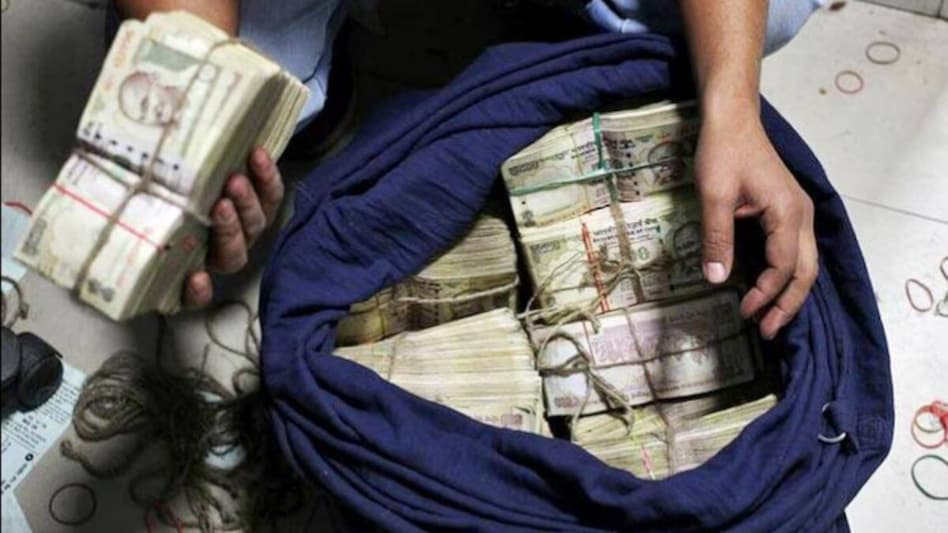
During the raid, police seized fake currency notes and arrested Rudresh.
- Jul 9, 2026,
- Updated Jul 13, 2026 4:14 PM IST
A fake ₹500 note used to buy a packet of cigarettes has uncovered an alleged counterfeit currency racket on the outskirts of Bengaluru, with Karnataka Police arresting an MBA graduate accused of running the operation after being released from prison in an earlier fake currency case, according to a report by The Times of India.
The case began on 2 July when Anjana Shetty, a 56-year-old grocery shop owner from Hosahalli Kaimara in CN Halli taluk of Tumakuru district, told police that two men travelling in a blue Maruti Alto bought a packet of cigarettes using a ₹500 note.
After returning ₹370 as change, she later examined the note more closely and suspected it was fake. She then filed a complaint at Huliyaru police station, prompting an investigation.
Don't Miss: Got old ₹50 or ₹100 notes at home? They could be worth lakhs or even crores
How police traced the accused
A special investigation team comprising officers from Huliyaru police and Madanayakanahalli police used vehicle tracking and technical surveillance to trace the blue Maruti Alto.
The investigation led officers to a hideout in Gangondanahalli near Madanayakanahalli on the outskirts of Bengaluru, where they allegedly found a counterfeit currency printing unit.
During the raid, police seized fake currency notes and arrested Rudresh.
Who is the accused?
According to police, Rudresh is an MBA graduate and was the prime accused in a counterfeit currency racket uncovered by Davanagere police in 2024.
Investigators had alleged that the earlier network circulated nearly ₹20 lakh worth of fake currency within three months. Police now claim that after recently securing his release from prison, he restarted the counterfeit note printing operation.
What happens next?
Police are now trying to establish the scale of the alleged operation, how many counterfeit notes had already entered circulation, and whether others were involved in printing or distributing the fake currency.
Further investigation is under way to identify other members of the alleged network and determine the full extent of the operation.
FAQs
- +−
How did the fake ₹500 note case begin in Karnataka?
The case began on 2 July when a grocery shop owner in Hosahalli Kaimara, Tumakuru district, accepted a ₹500 note from two men who bought a packet of cigarettes. After giving ₹370 as change, she checked the note later, suspected it was counterfeit, and filed a police complaint.
- +−
How did Karnataka Police trace the accused in the counterfeit currency case?
Police formed a special investigation team with officers from Huliyaru police and Madanayakanahalli police. Using vehicle tracking and technical surveillance, they traced the blue Maruti Alto used in the transaction to a hideout in Gangondanahalli near Bengaluru.
- +−
Who is Rudresh in the Bengaluru fake currency racket case?
According to police, Rudresh is an MBA graduate and the alleged mastermind behind the counterfeit currency operation. He was also named as the prime accused in an earlier fake currency racket uncovered by Davanagere police in 2024.
- +−
What did police recover during the raid near Bengaluru?
During the raid at the Gangondanahalli hideout, police allegedly found a counterfeit currency printing unit and seized fake currency notes. Rudresh was arrested during the operation.
- +−
What are police investigating now in the fake note racket?
Police are now trying to find out the full scale of the operation, how many fake notes may already be in circulation, and whether more people were involved in printing or distributing the counterfeit currency. Further investigation is under way to identify the rest of the network.
A fake ₹500 note used to buy a packet of cigarettes has uncovered an alleged counterfeit currency racket on the outskirts of Bengaluru, with Karnataka Police arresting an MBA graduate accused of running the operation after being released from prison in an earlier fake currency case, according to a report by The Times of India.
The case began on 2 July when Anjana Shetty, a 56-year-old grocery shop owner from Hosahalli Kaimara in CN Halli taluk of Tumakuru district, told police that two men travelling in a blue Maruti Alto bought a packet of cigarettes using a ₹500 note.
After returning ₹370 as change, she later examined the note more closely and suspected it was fake. She then filed a complaint at Huliyaru police station, prompting an investigation.
Don't Miss: Got old ₹50 or ₹100 notes at home? They could be worth lakhs or even crores
How police traced the accused
A special investigation team comprising officers from Huliyaru police and Madanayakanahalli police used vehicle tracking and technical surveillance to trace the blue Maruti Alto.
The investigation led officers to a hideout in Gangondanahalli near Madanayakanahalli on the outskirts of Bengaluru, where they allegedly found a counterfeit currency printing unit.
During the raid, police seized fake currency notes and arrested Rudresh.
Who is the accused?
According to police, Rudresh is an MBA graduate and was the prime accused in a counterfeit currency racket uncovered by Davanagere police in 2024.
Investigators had alleged that the earlier network circulated nearly ₹20 lakh worth of fake currency within three months. Police now claim that after recently securing his release from prison, he restarted the counterfeit note printing operation.
What happens next?
Police are now trying to establish the scale of the alleged operation, how many counterfeit notes had already entered circulation, and whether others were involved in printing or distributing the fake currency.
Further investigation is under way to identify other members of the alleged network and determine the full extent of the operation.