
PM Modi welcomed with bread, salt in Slovakia: A look at unique food-based traditions across the world
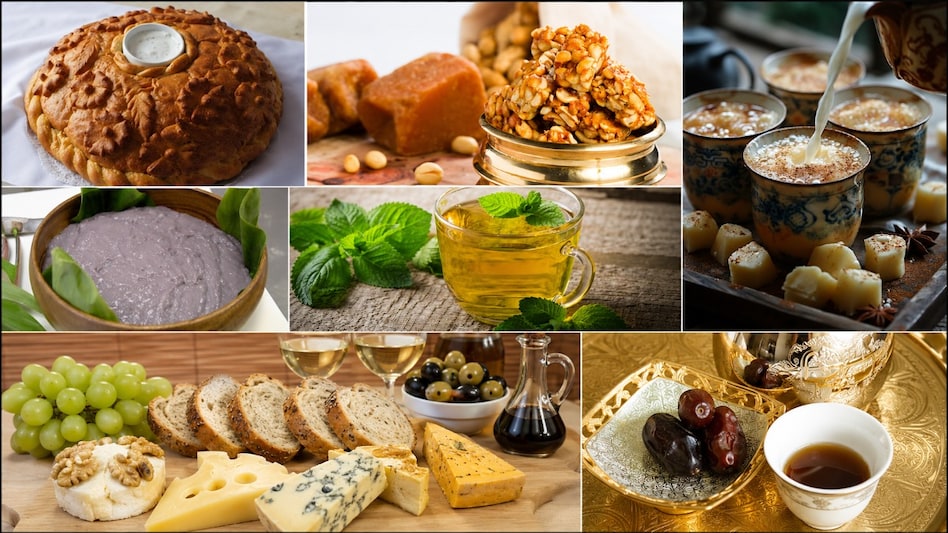
The ceremony, deeply rooted in Slavic culture, is reserved for honoured guests and dignitaries. Bread represents abundance and the host’s willingness to share their blessings, while salt signifies loyalty, protection, and enduring relationships
- Jun 17, 2026,
- Updated Jun 17, 2026 3:41 PM IST
Prime Minister Narendra Modi’s recent visit to Slovakia sparked interest in the unique cultural welcome he received. Upon his arrival in Bratislava, Modi was greeted with the traditional Slovak offering of bread and salt, a centuries-old custom symbolising hospitality, friendship, and prosperity.
The ceremony, deeply rooted in Slavic culture, is reserved for honoured guests and dignitaries. Bread represents abundance and the host’s willingness to share their blessings, while salt signifies loyalty, protection, and enduring relationships. The tradition remains an important part of Slovak identity and reflects the country’s rich cultural heritage.
MUST READ: PM Modi, Slovak President Visit Cultural Art Exhibition, Exchange Gifts
Other countries with a welcoming tradition
Sweets and Jaggery in India
India’s diverse cultures often welcome guests with sweets such as laddoos, peda, barfi, or jaggery. The practice stems from the belief that sweet beginnings bring good fortune. Whether welcoming relatives, guests, or newlyweds, offering sweets remains an important symbol of warmth and positivity.
Dates and Arabic Coffee in the Middle East
In countries such as Saudi Arabia, the United Arab Emirates, Qatar, and Oman, guests are traditionally welcomed with dates and Arabic coffee, known as gahwa. Dates symbolise generosity and abundance, while the fragrant coffee reflects hospitality and honour. Serving coffee to visitors remains one of the most cherished customs in Arab culture.
Butter Tea in Mongolia and Tibet
In the cold landscapes of Mongolia and Tibet, welcoming guests with butter tea is a long-standing tradition. Made using tea leaves, yak butter, and salt, the beverage provides warmth and energy. Offering a bowl of butter tea is considered a sign of deep respect, while accepting it acknowledges the host’s generosity.
Poi in Hawaii
Hawaiian culture places great importance on communal dining and sharing food. One traditional dish associated with hospitality is poi, made from taro root. Offering poi to guests symbolises unity, friendship, and the spirit of aloha, which emphasises kindness and mutual respect.
Japan’s Tea Ceremony
In Japan, hospitality reaches an art form through the traditional tea ceremony. Every step from preparing the tea to serving it is performed with precision and mindfulness. The ceremony reflects harmony, respect, purity, and peace, making guests feel valued and honoured.
ALSO READ: Promotions, paychecks & pride: What happened after these LGBTQ+ professionals came out at work
Turkish Tea and Delight
In Turkey, visitors are commonly greeted with a glass of hot Turkish tea, often accompanied by Turkish delight or other sweet treats. Refusing tea can even be considered impolite in some settings, highlighting the beverage’s role in Turkish hospitality.
Bread, Wine and Olives in Greece
Greek hospitality, known as philoxenia or “love of strangers,” is often expressed through food. Guests may be welcomed with fresh bread, olives, local cheese, and wine. Sharing food is viewed as a way of building friendship and community bonds.
Kava Ceremony in Fiji
One of the Pacific’s most distinctive welcoming traditions is Fiji’s kava ceremony. Guests are offered a drink made from the powdered root of the kava plant. Participating in the ceremony signifies acceptance, friendship, and respect within the community.
Green Tea and Mint in Morocco
Moroccan hosts traditionally serve sweet mint tea to visitors. Often poured from a height into ornate glasses, the drink symbolises hospitality and friendship. Serving multiple rounds of tea is considered a sign of generosity and goodwill.
Prime Minister Narendra Modi’s recent visit to Slovakia sparked interest in the unique cultural welcome he received. Upon his arrival in Bratislava, Modi was greeted with the traditional Slovak offering of bread and salt, a centuries-old custom symbolising hospitality, friendship, and prosperity.
The ceremony, deeply rooted in Slavic culture, is reserved for honoured guests and dignitaries. Bread represents abundance and the host’s willingness to share their blessings, while salt signifies loyalty, protection, and enduring relationships. The tradition remains an important part of Slovak identity and reflects the country’s rich cultural heritage.
MUST READ: PM Modi, Slovak President Visit Cultural Art Exhibition, Exchange Gifts
Other countries with a welcoming tradition
Sweets and Jaggery in India
India’s diverse cultures often welcome guests with sweets such as laddoos, peda, barfi, or jaggery. The practice stems from the belief that sweet beginnings bring good fortune. Whether welcoming relatives, guests, or newlyweds, offering sweets remains an important symbol of warmth and positivity.
Dates and Arabic Coffee in the Middle East
In countries such as Saudi Arabia, the United Arab Emirates, Qatar, and Oman, guests are traditionally welcomed with dates and Arabic coffee, known as gahwa. Dates symbolise generosity and abundance, while the fragrant coffee reflects hospitality and honour. Serving coffee to visitors remains one of the most cherished customs in Arab culture.
Butter Tea in Mongolia and Tibet
In the cold landscapes of Mongolia and Tibet, welcoming guests with butter tea is a long-standing tradition. Made using tea leaves, yak butter, and salt, the beverage provides warmth and energy. Offering a bowl of butter tea is considered a sign of deep respect, while accepting it acknowledges the host’s generosity.
Poi in Hawaii
Hawaiian culture places great importance on communal dining and sharing food. One traditional dish associated with hospitality is poi, made from taro root. Offering poi to guests symbolises unity, friendship, and the spirit of aloha, which emphasises kindness and mutual respect.
Japan’s Tea Ceremony
In Japan, hospitality reaches an art form through the traditional tea ceremony. Every step from preparing the tea to serving it is performed with precision and mindfulness. The ceremony reflects harmony, respect, purity, and peace, making guests feel valued and honoured.
ALSO READ: Promotions, paychecks & pride: What happened after these LGBTQ+ professionals came out at work
Turkish Tea and Delight
In Turkey, visitors are commonly greeted with a glass of hot Turkish tea, often accompanied by Turkish delight or other sweet treats. Refusing tea can even be considered impolite in some settings, highlighting the beverage’s role in Turkish hospitality.
Bread, Wine and Olives in Greece
Greek hospitality, known as philoxenia or “love of strangers,” is often expressed through food. Guests may be welcomed with fresh bread, olives, local cheese, and wine. Sharing food is viewed as a way of building friendship and community bonds.
Kava Ceremony in Fiji
One of the Pacific’s most distinctive welcoming traditions is Fiji’s kava ceremony. Guests are offered a drink made from the powdered root of the kava plant. Participating in the ceremony signifies acceptance, friendship, and respect within the community.
Green Tea and Mint in Morocco
Moroccan hosts traditionally serve sweet mint tea to visitors. Often poured from a height into ornate glasses, the drink symbolises hospitality and friendship. Serving multiple rounds of tea is considered a sign of generosity and goodwill.