
Started with just ₹10,000, now employs 60: How government schemes are changing lives in Meerut
From a Rs 10,000 momos stall to a factory and a Rs 32 lakh handicraft turnover, Meerut’s small loans are building sustainable livelihoods and wider economic growth.
- Jul 15, 2026,
- Updated Jul 15, 2026 4:38 PM IST
Meerut is steadily emerging as a hub for small-scale entrepreneurship, with government-backed schemes helping residents, especially youth and women, turn modest ideas into sustainable enterprises and generate employment across the city.
Government schemes give businesses a lift
Local entrepreneurs credit initiatives such as the Uttar Pradesh government’s Chief Minister Startup Scheme and the Centre’s Stand-Up India programme for providing timely financial support that allowed them to scale operations. “Without the loan, buying a production machine would have been impossible,” Rajkumar Thakur, who runs a growing momos manufacturing unit in the city, told India Today.
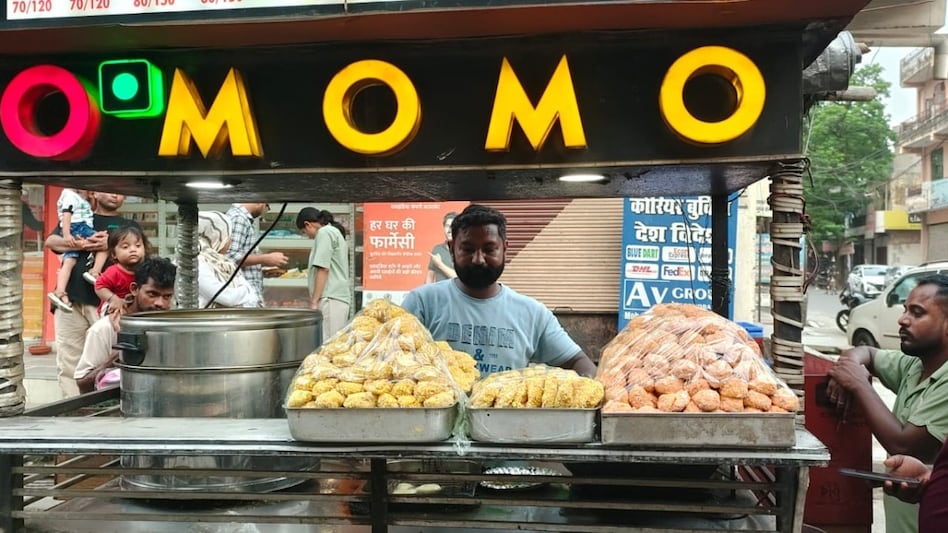
Thakur launched his food venture with an initial investment of ₹10,000 and sold handmade momos from a stall. As demand increased, he secured ₹5 lakh under the Chief Minister Startup Scheme and bought a modern momos-making machine.
MUST READ: Planning to quit your job?: Entrepreneur who left a ₹15 LPA role has this advice for you
From a stall to a factory
“Today we produce between 6,000 and 7,000 momos every day,” Thakur said. His factory now offers 29 varieties, with six major variants produced on a large scale and supplied to about 30–35 outlets across Meerut. Thakur operates stalls in Mangal Pandey Nagar and Jagriti Vihar, drawing steady evening crowds.
The enterprise provides direct employment to 11 workers — eight women and three men — while nearly 50 people benefit indirectly through supply chains and retail partnerships. “My plan is to expand the factory further and create more jobs,” Thakur added.
READ THIS: Delhi Laxmi Yojana: Who can get ₹2,500 every month? Govt unveils final eligibility rules
Widow entrepreneur builds handicraft network
Another success story is that of Mamta Garg, who transformed a small handicraft initiative into a business that sells religious and decorative items across India and overseas. Garg manufactures items such as deity cradles, thrones, idols of Lakshmi and Ganesha, puja articles, and festival-related crafts.
Garg began training women in handicrafts 15–16 years ago and scaled up after receiving support under the Stand-Up India scheme. “The ₹10 lakh loan and ₹1 lakh working capital helped me buy raw materials and organise production,” she said. The loan was sanctioned after a detailed business assessment and completion of formalities, she added.
Structured growth and livelihoods
Today Garg’s enterprise records an annual turnover of around ₹32 lakh and provides direct and indirect employment to about 25 women. Many trainees work from home, producing handicraft items that supplement family incomes. The business operates with GST registration and formal financial systems, and Garg plans to open an additional store in Delhi.
“My elder son now helps run the business, and my younger son is preparing to open a handicraft studio in Delhi,” she said. “Government schemes can be a game-changer for people who have talent but lack capital, enabling entrepreneurs to become self-reliant and eventually create jobs for others.”
Meerut is steadily emerging as a hub for small-scale entrepreneurship, with government-backed schemes helping residents, especially youth and women, turn modest ideas into sustainable enterprises and generate employment across the city.
Government schemes give businesses a lift
Local entrepreneurs credit initiatives such as the Uttar Pradesh government’s Chief Minister Startup Scheme and the Centre’s Stand-Up India programme for providing timely financial support that allowed them to scale operations. “Without the loan, buying a production machine would have been impossible,” Rajkumar Thakur, who runs a growing momos manufacturing unit in the city, told India Today.
Thakur launched his food venture with an initial investment of ₹10,000 and sold handmade momos from a stall. As demand increased, he secured ₹5 lakh under the Chief Minister Startup Scheme and bought a modern momos-making machine.
MUST READ: Planning to quit your job?: Entrepreneur who left a ₹15 LPA role has this advice for you
From a stall to a factory
“Today we produce between 6,000 and 7,000 momos every day,” Thakur said. His factory now offers 29 varieties, with six major variants produced on a large scale and supplied to about 30–35 outlets across Meerut. Thakur operates stalls in Mangal Pandey Nagar and Jagriti Vihar, drawing steady evening crowds.
The enterprise provides direct employment to 11 workers — eight women and three men — while nearly 50 people benefit indirectly through supply chains and retail partnerships. “My plan is to expand the factory further and create more jobs,” Thakur added.
READ THIS: Delhi Laxmi Yojana: Who can get ₹2,500 every month? Govt unveils final eligibility rules
Widow entrepreneur builds handicraft network
Another success story is that of Mamta Garg, who transformed a small handicraft initiative into a business that sells religious and decorative items across India and overseas. Garg manufactures items such as deity cradles, thrones, idols of Lakshmi and Ganesha, puja articles, and festival-related crafts.
Garg began training women in handicrafts 15–16 years ago and scaled up after receiving support under the Stand-Up India scheme. “The ₹10 lakh loan and ₹1 lakh working capital helped me buy raw materials and organise production,” she said. The loan was sanctioned after a detailed business assessment and completion of formalities, she added.
Structured growth and livelihoods
Today Garg’s enterprise records an annual turnover of around ₹32 lakh and provides direct and indirect employment to about 25 women. Many trainees work from home, producing handicraft items that supplement family incomes. The business operates with GST registration and formal financial systems, and Garg plans to open an additional store in Delhi.
“My elder son now helps run the business, and my younger son is preparing to open a handicraft studio in Delhi,” she said. “Government schemes can be a game-changer for people who have talent but lack capital, enabling entrepreneurs to become self-reliant and eventually create jobs for others.”