
Think a marriage certificate makes you husband and wife? Gujarat HC explains why registration alone cannot prove a valid Hindu marriage
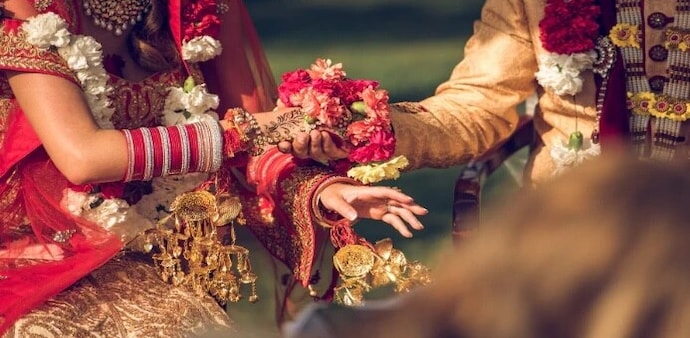
The Gujarat High Court described a Hindu marriage as a samskara and a sacrament that occupies an important place in Indian society.
- Jul 27, 2026,
- Updated Jul 27, 2026 8:00 AM IST
A marriage certificate by itself cannot create a valid Hindu marriage if the mandatory religious ceremonies were never performed, the Gujarat High Court has ruled. The court declared an alleged marriage between a man and a woman as null and void after the woman herself admitted that no Hindu marriage rituals had taken place and that they had never lived together as husband and wife, according to a report by The Economic Times.
The court also clarified that registration of a marriage cannot replace the legal requirement of solemnising a Hindu marriage under the Hindu Marriage Act.
The case was filed by a man who had moved to the United Kingdom for work and studies. He approached the court after the daughter of his employer claimed that she was his legally wedded wife.
According to him, the woman visited his family home in Ahmedabad, Gujarat, showed his parents a marriage certificate and claimed they were legally married.
The man denied ever marrying her. He told the court that no Hindu marriage ceremonies had taken place, they had never lived together as husband and wife, and he suspected that his signatures on the marriage documents may have been fraudulently obtained while he was working in her father's company.
Family Court refused to end the case
When the matter came before the Ahmedabad Family Court, the woman admitted in her written statement that no Hindu rites or rituals had been performed and that no lawful marriage existed between them. She also admitted that they had never shared the relationship of husband and wife.
Based on these admissions, the man sought a decree on admission. However, the Family Court rejected his application on November 13, 2025, holding that the existence of a registered marriage certificate created a presumption of a valid marriage and that a full trial was necessary.
The man then challenged the order before the Gujarat High Court.
On June 23, 2026, the Gujarat High Court set aside the Family Court's order and ruled in his favour. Advocate Rahil P Jain represented the man before the High Court.
Registration cannot replace marriage ceremonies
A bench of Justice Ilesh J. Vora and Justice R.T. Vachhani held that under Section 8 of the Hindu Marriage Act, registration alone cannot make a marriage valid if the essential ceremonies required under Section 7 were never performed.
The court said, "If no such marriage has actually taken place, any registration made or certificate issued will have no legal effect and will not create the legal status of husband and wife between the parties."
The court explained that a Hindu marriage can be registered only after it has first been solemnised according to the customary rites and ceremonies prescribed under Section 7 of the Act.
Why the husband won the case
Advocate Mayank Arora, Partner, The Chambers of Bharat Chugh, explained the significance of the judgment.
"In this significant ruling, the Gujarat High Court has reiterated the law that a marriage certificate cannot, by itself, create a valid marriage unless the essential rites and ceremonies prescribed under law were never performed."
He said the man consistently maintained that no marriage had ever taken place, no Hindu ceremonies were performed, and the couple had never lived together as husband and wife. He had also alleged that his signatures had been fraudulently obtained while working in the woman's father's company.
Arora further pointed out that the woman herself admitted before the court that no marriage ceremonies or customary rites had been performed and that the parties had never lived as husband and wife.
Despite this, the Family Court held that the registered marriage certificate justified a full trial.
However, Arora said, "The Court held that under Section 7 of the Hindu Marriage Act, a Hindu marriage comes into existence only when it is solemnised in accordance with the customary rites and ceremonies of the parties."
He added, "Where the applicable customs require Saptapadi, the marriage becomes complete only upon the taking of the seventh step before the sacred fire. In other words, solemnisation of marriage is not a procedural formality but the very foundation of a valid Hindu marriage."
The High Court observed that since the woman had categorically admitted that no rites or rituals were performed, the presumption arising from the registration of the marriage stood completely rebutted.
According to Arora, "Applying that principle, the Court declared the alleged marriage null and void ab initio and granted liberty to the appellant to seek cancellation of the marriage registration before the competent authority."
What Sections 7 and 8 of the Hindu Marriage Act say
The High Court said Section 7 of the Hindu Marriage Act requires a Hindu marriage to be solemnised according to the customary rites and ceremonies followed by either party.
Where those ceremonies include Saptapadi—the seven steps taken by the bride and groom before the sacred fire—the marriage becomes complete and legally binding only after the seventh step.
The court observed, "Unless the marriage is performed with the necessary customary rites and ceremonies, it cannot be treated as a marriage that has been solemnized under the Act."
It further held that the word "solemnized" means the marriage must be performed in the proper manner with the required ceremonies.
On Section 8, the High Court clarified that registration is only proof of a marriage that has already been validly solemnised. It cannot validate a marriage that never legally came into existence.
The court said,"Therefore, the existence of a marriage certificate or its registration cannot override, contradict, or nullify the legal effect of her clear admission that no marriage was ever solemnized."
Court's observations on the institution of marriage
The Gujarat High Court described a Hindu marriage as a samskara and a sacrament that occupies an important place in Indian society.
The court urged young men and women to understand the significance of marriage before entering into it.
It observed that marriage is not merely an occasion for "song and dance" or "wining and dining" and is not a commercial transaction.
According to the court, marriage is a solemn institution through which a man and a woman enter into a lifelong relationship to build a family, which forms the basic unit of Indian society.
The bench also observed that a Hindu marriage facilitates procreation, strengthens the family unit and promotes fraternity among communities. It added that marriage creates a lifelong, dignified, equal, consensual and healthy union between two individuals.
Referring to Hindu tradition, the court noted that a wife is regarded as ardhangini, while also being recognised as an individual with her own identity and as an equal partner in marriage.
Final order
Allowing the man's appeal, the Gujarat High Court quashed the Ahmedabad Family Court's order dated November 13, 2025.
The court declared the alleged marriage null and void ab initio, observing that no rights or liabilities could arise from a marriage that had never been validly solemnised.
It also granted the man liberty to approach the competent authority for cancellation of the marriage registration and the marriage certificate issued in the names of the parties.
The High Court relied on the Supreme Court's judgment in Rathnamma & Ors. v. Sujathamma & Ors., Civil Appeal No. 3050 of 2010, reiterating that registration of a marriage by itself cannot establish the existence of a valid Hindu marriage.
A marriage certificate by itself cannot create a valid Hindu marriage if the mandatory religious ceremonies were never performed, the Gujarat High Court has ruled. The court declared an alleged marriage between a man and a woman as null and void after the woman herself admitted that no Hindu marriage rituals had taken place and that they had never lived together as husband and wife, according to a report by The Economic Times.
The court also clarified that registration of a marriage cannot replace the legal requirement of solemnising a Hindu marriage under the Hindu Marriage Act.
The case was filed by a man who had moved to the United Kingdom for work and studies. He approached the court after the daughter of his employer claimed that she was his legally wedded wife.
According to him, the woman visited his family home in Ahmedabad, Gujarat, showed his parents a marriage certificate and claimed they were legally married.
The man denied ever marrying her. He told the court that no Hindu marriage ceremonies had taken place, they had never lived together as husband and wife, and he suspected that his signatures on the marriage documents may have been fraudulently obtained while he was working in her father's company.
Family Court refused to end the case
When the matter came before the Ahmedabad Family Court, the woman admitted in her written statement that no Hindu rites or rituals had been performed and that no lawful marriage existed between them. She also admitted that they had never shared the relationship of husband and wife.
Based on these admissions, the man sought a decree on admission. However, the Family Court rejected his application on November 13, 2025, holding that the existence of a registered marriage certificate created a presumption of a valid marriage and that a full trial was necessary.
The man then challenged the order before the Gujarat High Court.
On June 23, 2026, the Gujarat High Court set aside the Family Court's order and ruled in his favour. Advocate Rahil P Jain represented the man before the High Court.
Registration cannot replace marriage ceremonies
A bench of Justice Ilesh J. Vora and Justice R.T. Vachhani held that under Section 8 of the Hindu Marriage Act, registration alone cannot make a marriage valid if the essential ceremonies required under Section 7 were never performed.
The court said, "If no such marriage has actually taken place, any registration made or certificate issued will have no legal effect and will not create the legal status of husband and wife between the parties."
The court explained that a Hindu marriage can be registered only after it has first been solemnised according to the customary rites and ceremonies prescribed under Section 7 of the Act.
Why the husband won the case
Advocate Mayank Arora, Partner, The Chambers of Bharat Chugh, explained the significance of the judgment.
"In this significant ruling, the Gujarat High Court has reiterated the law that a marriage certificate cannot, by itself, create a valid marriage unless the essential rites and ceremonies prescribed under law were never performed."
He said the man consistently maintained that no marriage had ever taken place, no Hindu ceremonies were performed, and the couple had never lived together as husband and wife. He had also alleged that his signatures had been fraudulently obtained while working in the woman's father's company.
Arora further pointed out that the woman herself admitted before the court that no marriage ceremonies or customary rites had been performed and that the parties had never lived as husband and wife.
Despite this, the Family Court held that the registered marriage certificate justified a full trial.
However, Arora said, "The Court held that under Section 7 of the Hindu Marriage Act, a Hindu marriage comes into existence only when it is solemnised in accordance with the customary rites and ceremonies of the parties."
He added, "Where the applicable customs require Saptapadi, the marriage becomes complete only upon the taking of the seventh step before the sacred fire. In other words, solemnisation of marriage is not a procedural formality but the very foundation of a valid Hindu marriage."
The High Court observed that since the woman had categorically admitted that no rites or rituals were performed, the presumption arising from the registration of the marriage stood completely rebutted.
According to Arora, "Applying that principle, the Court declared the alleged marriage null and void ab initio and granted liberty to the appellant to seek cancellation of the marriage registration before the competent authority."
What Sections 7 and 8 of the Hindu Marriage Act say
The High Court said Section 7 of the Hindu Marriage Act requires a Hindu marriage to be solemnised according to the customary rites and ceremonies followed by either party.
Where those ceremonies include Saptapadi—the seven steps taken by the bride and groom before the sacred fire—the marriage becomes complete and legally binding only after the seventh step.
The court observed, "Unless the marriage is performed with the necessary customary rites and ceremonies, it cannot be treated as a marriage that has been solemnized under the Act."
It further held that the word "solemnized" means the marriage must be performed in the proper manner with the required ceremonies.
On Section 8, the High Court clarified that registration is only proof of a marriage that has already been validly solemnised. It cannot validate a marriage that never legally came into existence.
The court said,"Therefore, the existence of a marriage certificate or its registration cannot override, contradict, or nullify the legal effect of her clear admission that no marriage was ever solemnized."
Court's observations on the institution of marriage
The Gujarat High Court described a Hindu marriage as a samskara and a sacrament that occupies an important place in Indian society.
The court urged young men and women to understand the significance of marriage before entering into it.
It observed that marriage is not merely an occasion for "song and dance" or "wining and dining" and is not a commercial transaction.
According to the court, marriage is a solemn institution through which a man and a woman enter into a lifelong relationship to build a family, which forms the basic unit of Indian society.
The bench also observed that a Hindu marriage facilitates procreation, strengthens the family unit and promotes fraternity among communities. It added that marriage creates a lifelong, dignified, equal, consensual and healthy union between two individuals.
Referring to Hindu tradition, the court noted that a wife is regarded as ardhangini, while also being recognised as an individual with her own identity and as an equal partner in marriage.
Final order
Allowing the man's appeal, the Gujarat High Court quashed the Ahmedabad Family Court's order dated November 13, 2025.
The court declared the alleged marriage null and void ab initio, observing that no rights or liabilities could arise from a marriage that had never been validly solemnised.
It also granted the man liberty to approach the competent authority for cancellation of the marriage registration and the marriage certificate issued in the names of the parties.
The High Court relied on the Supreme Court's judgment in Rathnamma & Ors. v. Sujathamma & Ors., Civil Appeal No. 3050 of 2010, reiterating that registration of a marriage by itself cannot establish the existence of a valid Hindu marriage.