
What if your job made you richer? Mark Cuban wants companies to give workers equity
Cuban recently responded to a question on X about how he would reduce wealth inequality. His proposal was direct: companies that do not offer employees equity should face higher taxes
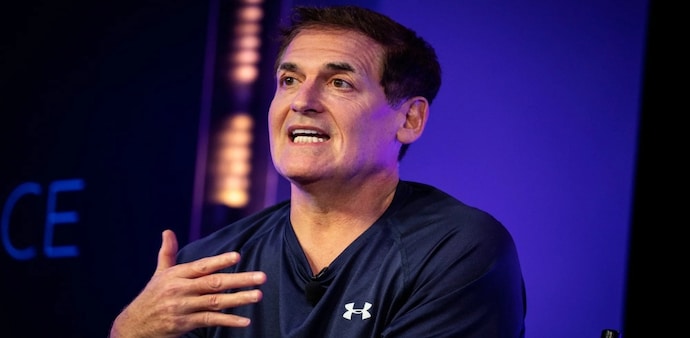
- Aug 25, 2026,
- Updated Aug 25, 2026 2:28 PM IST
Billionaire entrepreneur and Shark Tank star Mark Cuban has proposed a fresh approach to tackling wealth inequality in the US: make companies share their financial success with employees or pay higher corporate taxes. Cuban, whose net worth is reportedly above $10 billion, believes workers should benefit directly when the businesses they help build become successful.
Mark Cuban’s employee equity proposal
Cuban recently responded to a question on X about how he would reduce wealth inequality. His proposal was direct: companies that do not offer employees equity should face higher taxes.
“Increase the taxes of any company that doesn’t offer equity to every employee on a pro rata basis to non-founder executives. If they get rich from the market, so do they.” Cuban wrote.
He said the idea is based on his own experience as an entrepreneur. “It’s exactly what I have done for employees in companies I have started. Most wealthy people get that way from selling their companies or taking them public.”
330 Broadcast.com employees got stock
Cuban has previously used employee equity as a way of sharing wealth created by a successful business. He said that before Yahoo acquired Broadcast.com for $5.7 billion in 1999, he awarded company stock to 330 employees.
According to Cuban, 300 of those employees became millionaires following the deal. He also gave equity and cash bonuses to employees at his first IT consulting company, MicroSolutions.
DON'T MISS: 'India was very tough to crack': NRIs regret moving to US, tell young Indians to not take the plunge
For Cuban, employee ownership is about ensuring that workers who contribute to a company’s growth also participate in the wealth generated by that growth.
Why Cuban wants higher taxes
Cuban’s proposal is designed to give companies a choice: share equity with employees or contribute more through corporate taxes.
Addressing criticism that higher taxes could simply lead businesses to increase prices, Cuban argued that entrepreneurs ultimately decide how they manage their margins.“Each entrepreneur decides what margins, gross or net, they are willing to accept. For competitive or any other reason,” he said on X.
He also argued that taxes can contribute to stronger communities and, indirectly, healthier businesses.
ALSO READ: After 420 rejections, Indian woman lands New York job. Here’s her career lesson
Everyone will benefit more
Cuban believes the key to reducing inequality is aligning the interests of employees, founders and executives. “Every founder worth a damn knows that the greatest success, economic and personal, comes from aligning the goals and interests of as many stakeholders as possible,” he wrote.
He summed up his philosophy with another line: “Everyone will benefit more, when everyone benefits more.”
Cuban has also warned that the wealth gap could eventually create wider social tensions. “If we continue to see growing disparity in income, you risk unrest and further division, which is the most expensive tax on every business.”
Billionaire entrepreneur and Shark Tank star Mark Cuban has proposed a fresh approach to tackling wealth inequality in the US: make companies share their financial success with employees or pay higher corporate taxes. Cuban, whose net worth is reportedly above $10 billion, believes workers should benefit directly when the businesses they help build become successful.
Mark Cuban’s employee equity proposal
Cuban recently responded to a question on X about how he would reduce wealth inequality. His proposal was direct: companies that do not offer employees equity should face higher taxes.
“Increase the taxes of any company that doesn’t offer equity to every employee on a pro rata basis to non-founder executives. If they get rich from the market, so do they.” Cuban wrote.
He said the idea is based on his own experience as an entrepreneur. “It’s exactly what I have done for employees in companies I have started. Most wealthy people get that way from selling their companies or taking them public.”
330 Broadcast.com employees got stock
Cuban has previously used employee equity as a way of sharing wealth created by a successful business. He said that before Yahoo acquired Broadcast.com for $5.7 billion in 1999, he awarded company stock to 330 employees.
According to Cuban, 300 of those employees became millionaires following the deal. He also gave equity and cash bonuses to employees at his first IT consulting company, MicroSolutions.
DON'T MISS: 'India was very tough to crack': NRIs regret moving to US, tell young Indians to not take the plunge
For Cuban, employee ownership is about ensuring that workers who contribute to a company’s growth also participate in the wealth generated by that growth.
Why Cuban wants higher taxes
Cuban’s proposal is designed to give companies a choice: share equity with employees or contribute more through corporate taxes.
Addressing criticism that higher taxes could simply lead businesses to increase prices, Cuban argued that entrepreneurs ultimately decide how they manage their margins.“Each entrepreneur decides what margins, gross or net, they are willing to accept. For competitive or any other reason,” he said on X.
He also argued that taxes can contribute to stronger communities and, indirectly, healthier businesses.
ALSO READ: After 420 rejections, Indian woman lands New York job. Here’s her career lesson
Everyone will benefit more
Cuban believes the key to reducing inequality is aligning the interests of employees, founders and executives. “Every founder worth a damn knows that the greatest success, economic and personal, comes from aligning the goals and interests of as many stakeholders as possible,” he wrote.
He summed up his philosophy with another line: “Everyone will benefit more, when everyone benefits more.”
Cuban has also warned that the wealth gap could eventually create wider social tensions. “If we continue to see growing disparity in income, you risk unrest and further division, which is the most expensive tax on every business.”