


 Herres’ experience comes as more patients are facing problems getting medicines and medical care approved by insurance companies.
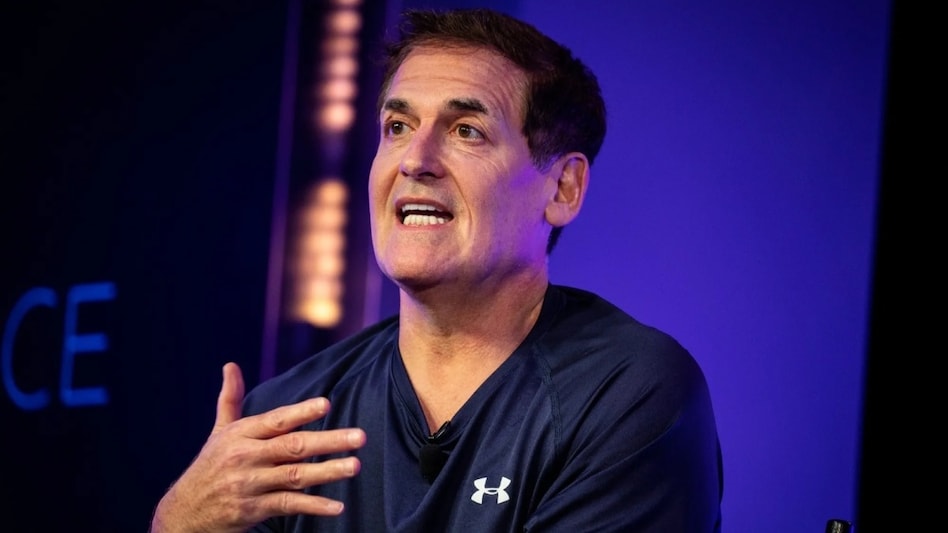
A 26-year-old heart transplant survivor was struggling to afford a medicine she needs to protect her transplanted heart after her insurance company stopped covering it. Her story spread on social media and eventually caught the attention of billionaire Mark Cuban, whose pharmacy helped bring down the cost of the drug.
Payton Herres had a heart transplant when she was a preteen. A year after the surgery, she started taking everolimus, a generic version of Novartis’ anti-rejection drug Zortress, off-label.

 'Today is your last working day': Larry Ellison-led Oracle begins new round of layoffs
 Houthis attack Saudi Arabia airbase as Hormuz talk stalls; oil climbs to nearly $107
 REIT returns are not just about rental income: 65-70% comes from capital gains
 FD rate war: Small finance banks widen gap with SBI, HDFC Bank and ICICI Bank
 Gold, GIFT City and staggered investing: Here’s an expert's playbook for market uncertainty
 Why Crude Oil Prices Are Rising Again Now?
 Modi Xi Meet After 7 Years In India Signals Possible Reset In Bilateral Ties
 BRICS Summit 2026: India Secures New Delhi Declaration After Intense Negotiations
 BRICS Summit 2026: Modi’s Big Diplomatic Win As New Delhi Declaration Gets Backing
 Dario Amodei, Sam Altman, Elon Musk Back AI Slowdown Call Amid Growing Safety Concerns
 Paytm, Kalyan Jewellers, BSE, Tenneco, Titagarh, Cochin Shipyard, Sharda Motor shares: Targets
 Top stocks in news: HDFC Bank, DRL, Solar Industries, Sun Pharma, TVS Motor, Pranav, Cochin Shipyard
 YES Bank, Cochin Shipyard, Indus Tower: Stocks to trade — Key levels, target price & stop loss
 Varun Beverages shares slip 25% from 52-week high; more downside ahead?
 Uno Minda gets 'IND A1+' credit rating for commercial papers from India Ratings Houthis attack Saudi Arabia airbase as Hormuz talk stalls; oil climbs to nearly $107Paytm, Kalyan Jewellers, BSE, Tenneco, Titagarh, Cochin Shipyard, Sharda Motor shares: TargetsTop stocks in news: HDFC Bank, DRL, Solar Industries, Sun Pharma, TVS Motor, Pranav, Cochin Shipyard'Today is your last working day': Larry Ellison-led Oracle begins new round of layoffs
 Quote of the Day by Deepinder Goyal: 'You should always bet on the team, not on the idea'












