
Post Office rules 2026: PAN now compulsory for deposits, withdrawals; check details
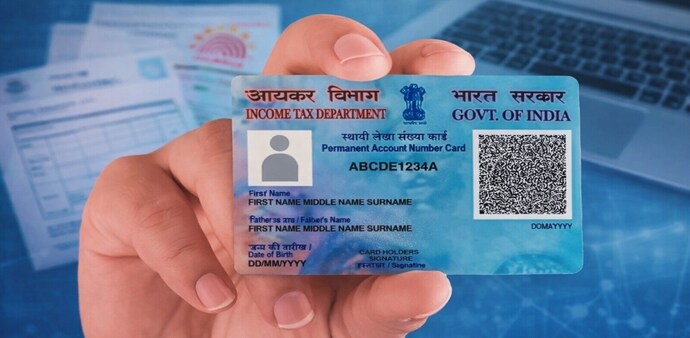
Under the revised rules, quoting PAN is now compulsory for several post office transactions, including account opening, deposits, withdrawals, and investments in time deposits.
- May 5, 2026,
- Updated May 5, 2026 8:20 AM IST
India’s post office savings ecosystem is set for a compliance overhaul under the Income-tax Rules, 2026, with the Permanent Account Number (PAN) now becoming mandatory for a wide range of financial transactions. The Department of Posts has issued fresh guidelines requiring depositors to quote PAN for specified activities, signalling tighter alignment between small savings instruments and the tax administration framework.
PAN mandatory
Under the revised rules, quoting PAN is now compulsory for several post office transactions, including account opening, deposits, withdrawals, and investments in time deposits. The mandate falls under multiple provisions of the Income-tax Rules, 2026, specifically Rules 159, 160, 161, 211, and 237, indicating a broad-based compliance requirement rather than a limited procedural tweak.
The move is aimed at improving transparency, tracking high-value transactions, and reducing the scope for tax evasion within the widely used post office savings network.
MUST READ: Planning to apply for PAN? New forms 93–96 now in effect from April 1, 2026; know the breakdown
What if you don’t have a PAN?
For individuals who do not possess a PAN, the rules introduce a structured alternative. Depositors will now be required to submit Form 97, replacing the earlier Form 60. This form must include comprehensive details such as:
Name and address of the depositor Nature and amount of the transaction Supporting documents validating the transaction
Post offices are mandated to collect this information to ensure that even non-PAN transactions are properly documented and traceable within the tax system.
Form 121
Another significant procedural change is the consolidation of Forms 15G and 15H into a single Form 121. Traditionally, Forms 15G (for individuals below 60 years) and 15H (for senior citizens) were submitted to avoid Tax Deducted at Source (TDS) on interest income, provided the individual’s taxable income was below the threshold.
Under the new system: Form 121 will serve as a unified declaration form It must be submitted annually for each financial year It is applicable only if the taxpayer’s estimated total income results in nil tax liability
Post offices will handle verification by collecting Part A of the form, completing Part B internally, and maintaining these records for a period of seven years, as mandated.
MUST READ: Income Tax rules 2026: Form 121 simplifies TDS process for senior citizens
Transition and implementation
According to Post Office SB Order No. 02/2026, these changes are effective immediately, although interim arrangements are in place. Until backend system upgrades are completed, the existing process for handling Forms 15G and 15H will continue temporarily.
Why this matters
This regulatory shift reflects a broader policy push to integrate traditional savings channels—such as post office schemes—into the formal tax reporting ecosystem. By mandating PAN and standardising declaration forms, the government aims to:
- Enhance audit trails for financial transactions
- Improve tax compliance among small savers
- Streamline documentation and reduce duplication
For investors and depositors, the takeaway is clear: ensuring PAN availability and staying updated with the new forms is now essential to avoid disruptions in post office transactions and to remain compliant under the Income-tax Rules, 2026.
India’s post office savings ecosystem is set for a compliance overhaul under the Income-tax Rules, 2026, with the Permanent Account Number (PAN) now becoming mandatory for a wide range of financial transactions. The Department of Posts has issued fresh guidelines requiring depositors to quote PAN for specified activities, signalling tighter alignment between small savings instruments and the tax administration framework.
PAN mandatory
Under the revised rules, quoting PAN is now compulsory for several post office transactions, including account opening, deposits, withdrawals, and investments in time deposits. The mandate falls under multiple provisions of the Income-tax Rules, 2026, specifically Rules 159, 160, 161, 211, and 237, indicating a broad-based compliance requirement rather than a limited procedural tweak.
The move is aimed at improving transparency, tracking high-value transactions, and reducing the scope for tax evasion within the widely used post office savings network.
MUST READ: Planning to apply for PAN? New forms 93–96 now in effect from April 1, 2026; know the breakdown
What if you don’t have a PAN?
For individuals who do not possess a PAN, the rules introduce a structured alternative. Depositors will now be required to submit Form 97, replacing the earlier Form 60. This form must include comprehensive details such as:
Name and address of the depositor Nature and amount of the transaction Supporting documents validating the transaction
Post offices are mandated to collect this information to ensure that even non-PAN transactions are properly documented and traceable within the tax system.
Form 121
Another significant procedural change is the consolidation of Forms 15G and 15H into a single Form 121. Traditionally, Forms 15G (for individuals below 60 years) and 15H (for senior citizens) were submitted to avoid Tax Deducted at Source (TDS) on interest income, provided the individual’s taxable income was below the threshold.
Under the new system: Form 121 will serve as a unified declaration form It must be submitted annually for each financial year It is applicable only if the taxpayer’s estimated total income results in nil tax liability
Post offices will handle verification by collecting Part A of the form, completing Part B internally, and maintaining these records for a period of seven years, as mandated.
MUST READ: Income Tax rules 2026: Form 121 simplifies TDS process for senior citizens
Transition and implementation
According to Post Office SB Order No. 02/2026, these changes are effective immediately, although interim arrangements are in place. Until backend system upgrades are completed, the existing process for handling Forms 15G and 15H will continue temporarily.
Why this matters
This regulatory shift reflects a broader policy push to integrate traditional savings channels—such as post office schemes—into the formal tax reporting ecosystem. By mandating PAN and standardising declaration forms, the government aims to:
- Enhance audit trails for financial transactions
- Improve tax compliance among small savers
- Streamline documentation and reduce duplication
For investors and depositors, the takeaway is clear: ensuring PAN availability and staying updated with the new forms is now essential to avoid disruptions in post office transactions and to remain compliant under the Income-tax Rules, 2026.