


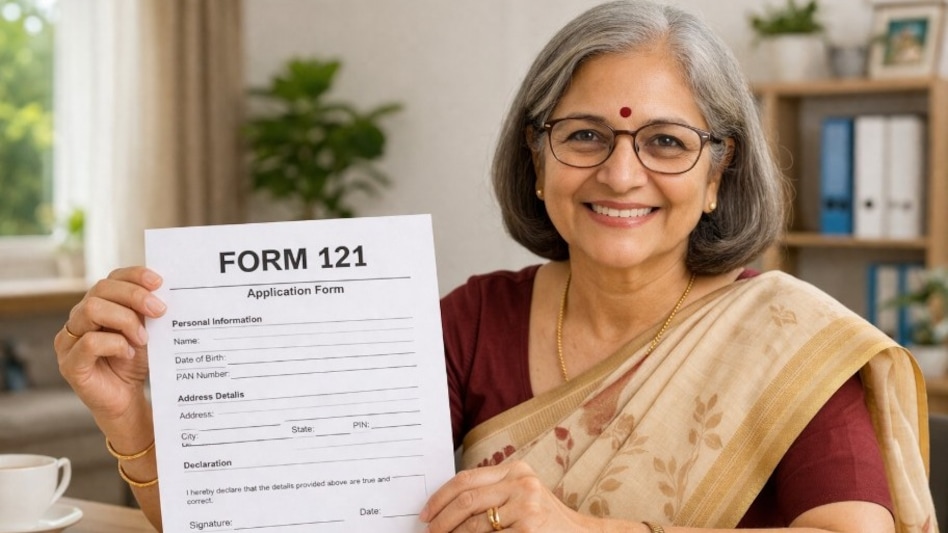
 The introduction of Form 121 marks a clear shift towards simplified, taxpayer-friendly compliance, especially for senior citizens.
Form 121 for senior citizens: Starting April 1, 2026, a key change in India’s tax framework aims to make life significantly easier for senior citizens. The government has introduced Form 121, a unified self-declaration form that replaces the widely used Form 15H and Form 15G, simplifying the process of avoiding Tax Deducted at Source (TDS).
For senior citizens who rely heavily on fixed deposit (FD) interest, pensions, or other passive income streams, this change is particularly relevant.

 NSE IPO kicks off: IFCI, NIACL, SBI, GIC RE, BOB shares gain up to 8%; here's why
 Russian oil & gas purchase: US House passes bill clearing path for 100% tariffs on India, China
 US Fed delivers first rate hike in over 3 years as inflation lingers, Trump calls for 1% benchmark
  Trump praises PM Modi's anti-drug drive while designating India in major drug transit list
 Pixel phones targeted in zero-day attacks: Google urges users to update now
 FCNR Deposits Bring $136 Billion: Will Bank Credit Growth Rise Beyond 18%?
 “Onion Prices Down 9% In 9 Days”: Nidhi Khare On Availability And ₹35/Kg Retail Sales
 Indian Markets At A Crucial Juncture: Nifty, Crude, Fed & Smallcaps | Jaipuria
 Nifty At 23,200: Crude Oil, U.S. Fed Rate Hike Fears & Market Outlook Explained
 “7.8% Growth Is Not Random”: FM Sitharaman Credits India’s People, Industry And MSMEs
 TCS, Infosys, Tech Mahindra, HCL Tech: IT shares top losers amid market rally today, here's why NSE IPO kicks off: IFCI, NIACL, SBI, GIC RE, BOB shares gain up to 8%; here's why
 6 IPO listings today: Rentomojo, & 3 others list at premium, ARCIL lists at par; Manipal Cards on discount
 RailTel shares rise 4% on Rs 63-crore order win from Prasar Bharati for WAVES OTT platform
 Torrent Power share price target: Why Jefferies sees 37% upside on this stock TCS, Infosys, Tech Mahindra, HCL Tech: IT shares top losers amid market rally today, here's why NSE IPO kicks off: IFCI, NIACL, SBI, GIC RE, BOB shares gain up to 8%; here's whyPixel phones targeted in zero-day attacks: Google urges users to update now6 IPO listings today: Rentomojo, & 3 others list at premium, ARCIL lists at par; Manipal Cards on discountRailTel shares rise 4% on Rs 63-crore order win from Prasar Bharati for WAVES OTT platform












