


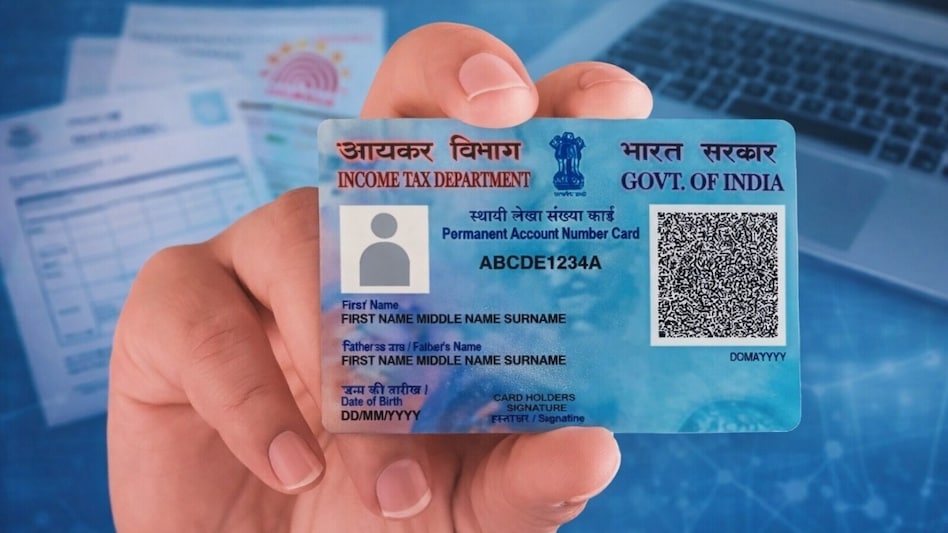
 The updated PAN forms have been redesigned to be concise, user-friendly, and self-explanatory, with clear instructions aligned to the Income-tax Act and related rules.
Taxpayers applying for a Permanent Account Number (PAN) from April 1, 2026, will need to follow a revised application framework, with the government introducing four new PAN forms -- Form 93, 94, 95, and 96. The overhaul replaces the earlier two-form system and is aimed at simplifying the application process while improving accuracy, classification, and compliance.
The new forms are tailored to specific applicant categories:

 GLP-1 market may be smaller than expected, says Lupin; plans next wave of weight-loss drugs
 PhysicsWallah block deal: Equity worth Rs 550 crore changes hands; stock climbs
 Gaja Alternative Asset Management shares make a decent market debut; stock lists at 16% premium
  HDFC Bank shares may fall to Rs 675-680, ICICI Bank a better pick, says Gaurav Sharma
 ‘No third party involved; we didn’t leak ceasefire details to US’: Ex-CDS Anil Chauhan on Op Sindoor
 Trump Moves To Make H-1B Visa Fee Permanent And Higher: What It Means For Indians
 Market Rally Vs Geopolitical Risk: What Wins From Here? Aditya Agarwal
 Daily Calls: Ask Your STOCK MARKET TODAY QUERIES | Market Update | Share Market News Today
 Symbiotec Pharmalab IPO | Top Management On Growth Plans, Business Outlook & IPO Strategy
 Chennai Second Airport Halted: Parandur Project Faces Wetland Concerns & Political Storm
 Cyient shares surge 8%: Targets by MOFSL, Antique, Choice, Nuvama post Investor Day
 SEPC shares jump 5% as board approves restructuring; key details PhysicsWallah block deal: Equity worth Rs 550 crore changes hands; stock climbsGaja Alternative Asset Management shares make a decent market debut; stock lists at 16% premium HDFC Bank shares may fall to Rs 675-680, ICICI Bank a better pick, says Gaurav Sharma
 OpenAI reveals how Jalapeño Chip performs, wider deployment coming in 2027Cyient shares surge 8%: Targets by MOFSL, Antique, Choice, Nuvama post Investor DaySEPC shares jump 5% as board approves restructuring; key details GLP-1 market may be smaller than expected, says Lupin; plans next wave of weight-loss drugs
 Caviar announces four luxury iPhone Ultra models ahead of Apple launch












