
Zerodha introduces fixed deposits on Coin amid growing digital FD adoption
In a blog post, the brokerage said the move is intended to address inefficiencies in the fragmented FD ecosystem. “Rates are scattered, processes differ, and tracking maturity dates and interest becomes harder than it should be,” Zerodha said.
- Apr 10, 2026,
- Updated Apr 10, 2026 3:01 PM IST
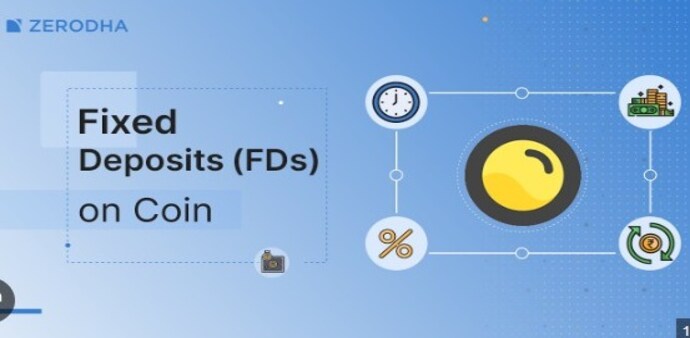
Investment 2026: Zerodha has introduced fixed deposits (FDs) on its Coin platform, making it easier for you to manage both your low-risk savings and market-linked investments in one place.
If you’ve ever tried booking FDs across different banks, you know how fragmented the experience can be—interest rates vary, processes differ, and tracking maturity dates or interest payouts becomes cumbersome over time. Zerodha is directly targeting this problem. “Rates are scattered, processes differ, and tracking maturity dates and interest becomes harder than it should be,” the company said, explaining the rationale behind the move.
Coin, which operates separately from Zerodha’s trading platform Kite, already serves as your hub for long-term investments like direct mutual funds, insurance, and the National Pension System (NPS). With the addition of FDs, you can now allocate your money across equity, debt, and fixed-income products without juggling multiple platforms.
ALSO READ: RBI repo rate: FD rates, policy pause and US-Iran conflict in focus
From an investor’s perspective, the new feature allows you to compare FD rates across multiple banks, book deposits digitally, and monitor key details such as invested amount, accrued interest, and maturity timelines through a single dashboard. The platform is also expected to offer FDs from small finance banks, which typically provide higher interest rates—though you may need to weigh the slightly higher risk.
To invest, you’ll need to complete a one-time KYC with the respective bank, including PAN, Aadhaar, and nominee details. Importantly, you don’t need to open a savings account with the bank, making the process fully digital and far more accessible.
For you, this signals a broader shift in how wealth platforms are evolving—from just investment tools to comprehensive financial ecosystems. Zerodha, which built Coin around commission-free mutual fund investing and SIPs, is now positioning it as a full-stack wealth management platform.
ALSO READ: ₹14 lakh car plan: Should you take ₹5 lakh loan or ₹10 lakh with FD arbitrage strategy?
The timing is notable. Digital FD platforms are gaining traction, with players like Stable Money, Smallcase, WintWealth, and Flipkart-backed super.money entering the space. As competition intensifies, you stand to benefit from better transparency, improved access, and more efficient ways to optimise your overall savings strategy.
Investment 2026: Zerodha has introduced fixed deposits (FDs) on its Coin platform, making it easier for you to manage both your low-risk savings and market-linked investments in one place.
If you’ve ever tried booking FDs across different banks, you know how fragmented the experience can be—interest rates vary, processes differ, and tracking maturity dates or interest payouts becomes cumbersome over time. Zerodha is directly targeting this problem. “Rates are scattered, processes differ, and tracking maturity dates and interest becomes harder than it should be,” the company said, explaining the rationale behind the move.
Coin, which operates separately from Zerodha’s trading platform Kite, already serves as your hub for long-term investments like direct mutual funds, insurance, and the National Pension System (NPS). With the addition of FDs, you can now allocate your money across equity, debt, and fixed-income products without juggling multiple platforms.
ALSO READ: RBI repo rate: FD rates, policy pause and US-Iran conflict in focus
From an investor’s perspective, the new feature allows you to compare FD rates across multiple banks, book deposits digitally, and monitor key details such as invested amount, accrued interest, and maturity timelines through a single dashboard. The platform is also expected to offer FDs from small finance banks, which typically provide higher interest rates—though you may need to weigh the slightly higher risk.
To invest, you’ll need to complete a one-time KYC with the respective bank, including PAN, Aadhaar, and nominee details. Importantly, you don’t need to open a savings account with the bank, making the process fully digital and far more accessible.
For you, this signals a broader shift in how wealth platforms are evolving—from just investment tools to comprehensive financial ecosystems. Zerodha, which built Coin around commission-free mutual fund investing and SIPs, is now positioning it as a full-stack wealth management platform.
ALSO READ: ₹14 lakh car plan: Should you take ₹5 lakh loan or ₹10 lakh with FD arbitrage strategy?
The timing is notable. Digital FD platforms are gaining traction, with players like Stable Money, Smallcase, WintWealth, and Flipkart-backed super.money entering the space. As competition intensifies, you stand to benefit from better transparency, improved access, and more efficient ways to optimise your overall savings strategy.