
No job, no EPF deposit — Can your EPF balance still earn you interest?
Your EPF doesn’t necessarily stop earning just because you stop working — but the rules aren’t that simple. Whether your balance keeps growing depends on your age, account status, and how long contributions have stopped.
- Apr 11, 2026,
- Updated Apr 11, 2026 7:35 AM IST
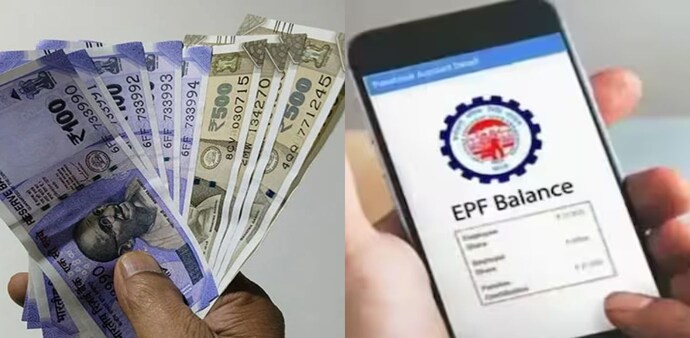
EPF interest: An early retirement or job loss can disrupt financial planning, especially when it comes to long-term savings like the Employees’ Provident Fund (EPF). Since EPF is designed as a retirement corpus—with contributions from both employee and employer—any break in employment often raises a key question: does the EPF account continue to earn interest even when contributions stop?
The answer to whether EPF continues to earn interest without contributions is yes—but with conditions. The distinction lies between an account being “transaction-less” and “inoperative.”
If a person stops contributing to EPF before the age of 55 but does not withdraw the funds, the account becomes transaction-less but not inoperative. In such cases, the balance continues to earn interest until the age of 58. This is particularly relevant for individuals who take career breaks, switch jobs, or retire early.
EPFO has clarified that accounts of members who retire before 55 years of age will continue to earn interest up to 58 years. After that, if no withdrawals are made, the account eventually becomes inoperative and stops earning interest.
MUST READ: Should you use PF to prepay home loan? Tax rules, interest savings and risks you must check first
For individuals who retire at or after 55, the rules are slightly different. Their EPF account continues to earn interest for three years from the date of retirement. Beyond this period, if no activity occurs, the account is classified as inoperative and ceases to earn interest.
Anshi Shrivastava, Head - Personal Finance Training at 1 Finance, said: “An EPF account continues to earn interest even when there are no new contributions, such as after a person leaves their job, as long as the member has not yet reached age 58. As per the 2016 decision linked to the amendment of paragraph 69(1)(a), Accounts with no contributions for three years are not made inoperative before age 58. Interest is credited annually until the member turns 58. After turning 58, if the funds are not withdrawn, interest typically continues for up to 3 more years before the account becomes fully inoperative. It is advisable to keep the UAN and KYC details updated on the EPFO portal to ensure smooth processing.”
MUST READ: EPFO 3.0 explained: Will PF accounts work like bank accounts with ATM, UPI access? Who benefits?
For the financial year 2025-26, the Employees’ Provident Fund Organisation (EPFO) has recommended an interest rate of 8.25%, subject to approval by the Ministry of Finance. This makes EPF one of the more stable, government-backed savings instruments. However, confusion persists among individuals who leave jobs early or face layoffs, leading many to prematurely withdraw funds meant for retirement.
Withdrawing your Provident Fund
Withdrawing your Provident Fund (PF) online has become a simple and hassle-free process through the UAN portal. Here’s a quick guide to help you understand the steps.
Log in to the UAN Member Portal using your UAN and password.
Check your KYC status under Manage > KYC to ensure Aadhaar and bank details are verified.
Go to Online Services and select Claim (Form-31, 19, 10C & 10D).
Verify your bank account details and click Verify.
ALSO READ: EPF rate @8.25%: EPF interest rate outperforms PPF, FDs, stability prioritised by govt, say experts
Click on “Proceed for Online Claim.”
- Choose the claim type:
- Form 31: PF advance (while employed)
- Form 19: Full PF withdrawal (after leaving job)
- Form 10C: Pension withdrawal (after leaving job)
Accept the declaration and enter OTP sent to your Aadhaar-linked mobile.
Submit the claim and track status online.
Eligibility for Online PF Withdrawal
UAN must be activated
Aadhaar, PAN, and bank account must be verified
Mobile number linked with Aadhaar
Withdrawal allowed on retirement, unemployment, or partial withdrawal conditions
Key details at a glance
- Employer approval: Not required in most cases
- Processing time: 7–20 days
- Full withdrawal: Allowed after 2 months of unemployment or retirement
- Documents & Checks Required
- Ensure UAN activation and KYC completion
- Link and verify bank account details
- Update Date of Exit in service history
- Avoid overlapping employment records
- In essence, EPF remains a compounding instrument even during periods of inactivity, but only up to a defined time frame. Understanding these rules is critical to avoid premature withdrawals and ensure that retirement savings continue to grow efficiently despite career interruptions.
EPF interest: An early retirement or job loss can disrupt financial planning, especially when it comes to long-term savings like the Employees’ Provident Fund (EPF). Since EPF is designed as a retirement corpus—with contributions from both employee and employer—any break in employment often raises a key question: does the EPF account continue to earn interest even when contributions stop?
The answer to whether EPF continues to earn interest without contributions is yes—but with conditions. The distinction lies between an account being “transaction-less” and “inoperative.”
If a person stops contributing to EPF before the age of 55 but does not withdraw the funds, the account becomes transaction-less but not inoperative. In such cases, the balance continues to earn interest until the age of 58. This is particularly relevant for individuals who take career breaks, switch jobs, or retire early.
EPFO has clarified that accounts of members who retire before 55 years of age will continue to earn interest up to 58 years. After that, if no withdrawals are made, the account eventually becomes inoperative and stops earning interest.
MUST READ: Should you use PF to prepay home loan? Tax rules, interest savings and risks you must check first
For individuals who retire at or after 55, the rules are slightly different. Their EPF account continues to earn interest for three years from the date of retirement. Beyond this period, if no activity occurs, the account is classified as inoperative and ceases to earn interest.
Anshi Shrivastava, Head - Personal Finance Training at 1 Finance, said: “An EPF account continues to earn interest even when there are no new contributions, such as after a person leaves their job, as long as the member has not yet reached age 58. As per the 2016 decision linked to the amendment of paragraph 69(1)(a), Accounts with no contributions for three years are not made inoperative before age 58. Interest is credited annually until the member turns 58. After turning 58, if the funds are not withdrawn, interest typically continues for up to 3 more years before the account becomes fully inoperative. It is advisable to keep the UAN and KYC details updated on the EPFO portal to ensure smooth processing.”
MUST READ: EPFO 3.0 explained: Will PF accounts work like bank accounts with ATM, UPI access? Who benefits?
For the financial year 2025-26, the Employees’ Provident Fund Organisation (EPFO) has recommended an interest rate of 8.25%, subject to approval by the Ministry of Finance. This makes EPF one of the more stable, government-backed savings instruments. However, confusion persists among individuals who leave jobs early or face layoffs, leading many to prematurely withdraw funds meant for retirement.
Withdrawing your Provident Fund
Withdrawing your Provident Fund (PF) online has become a simple and hassle-free process through the UAN portal. Here’s a quick guide to help you understand the steps.
Log in to the UAN Member Portal using your UAN and password.
Check your KYC status under Manage > KYC to ensure Aadhaar and bank details are verified.
Go to Online Services and select Claim (Form-31, 19, 10C & 10D).
Verify your bank account details and click Verify.
ALSO READ: EPF rate @8.25%: EPF interest rate outperforms PPF, FDs, stability prioritised by govt, say experts
Click on “Proceed for Online Claim.”
- Choose the claim type:
- Form 31: PF advance (while employed)
- Form 19: Full PF withdrawal (after leaving job)
- Form 10C: Pension withdrawal (after leaving job)
Accept the declaration and enter OTP sent to your Aadhaar-linked mobile.
Submit the claim and track status online.
Eligibility for Online PF Withdrawal
UAN must be activated
Aadhaar, PAN, and bank account must be verified
Mobile number linked with Aadhaar
Withdrawal allowed on retirement, unemployment, or partial withdrawal conditions
Key details at a glance
- Employer approval: Not required in most cases
- Processing time: 7–20 days
- Full withdrawal: Allowed after 2 months of unemployment or retirement
- Documents & Checks Required
- Ensure UAN activation and KYC completion
- Link and verify bank account details
- Update Date of Exit in service history
- Avoid overlapping employment records
- In essence, EPF remains a compounding instrument even during periods of inactivity, but only up to a defined time frame. Understanding these rules is critical to avoid premature withdrawals and ensure that retirement savings continue to grow efficiently despite career interruptions.