
April 1 tax reset: Old Tax Regime back in focus vs New Tax Regime — which option saves more now?
April 1 tax reset: Old Tax Regime back in focus vs New Tax Regime — which option saves more now?
With the rollout of the Income-tax Rules, 2026 alongside the broader framework under I-T Act 2025, taxpayers must reassess their tax planning strategies for the upcoming financial year. The changes do not overhaul tax rates but significantly impact how taxable income is calculated, particularly under the old regime.
Basudha Das
- Mar 31, 2026,
- Updated Mar 31, 2026 1:23 PM IST
India’s income tax framework is set for a recalibration from April 1, 2026, with updated rules around exemptions, perquisites, and salary structuring bringing the old tax regime back into focus. While the new tax regime continues to offer lower rates and simplicity, recent changes are prompting salaried taxpayers to revisit whether the older system could now deliver better tax efficiency.
Advertisement
The shift comes under the revised Income-tax Rules, 2026, which will apply to tax computations for the upcoming financial year, making this year’s regime selection more critical than before.
Old tax regime back in focus
Tax experts indicate that the old regime is regaining traction due to targeted enhancements in exemption limits and salary-linked benefits.
CA Dr Suresh Surana said, “A key reason for this renewed focus in the old tax regime is increase in exemption limits and the expansion of certain benefits. For instance, the higher 50% HRA exemption limit, which was earlier available only for select metro cities, has now been extended to Bengaluru, Hyderabad, Pune and Ahmedabad as well. In addition, the exemption limits for children’s education allowance and hostel allowance have been increased, while revisions have also been made to leave travel allowance (LTA/LTC) and other salary-related perquisites.”
Advertisement
READ MORE: From April 1: New tax rules kick in — what changes for your money
He added, “These changes make the old regime more attractive for taxpayers who actively claim such deductions. As a result, the old tax regime may now be more beneficial for salaried taxpayers who typically claim deductions such as HRA, home loan interest, Section 80C investments, Section 80D health insurance premium, and NPS contributions. For such taxpayers, the revised exemptions can significantly reduce taxable income and improve overall tax efficiency.”
These revisions are particularly relevant for individuals with structured salary packages and ongoing financial commitments such as rent, insurance, and long-term investments.
No change in tax slabs
Despite the renewed appeal of the old regime, tax slab rates for FY 2026–27 remain unchanged. The government’s intent, according to experts, is not to alter tax liability directly but to streamline and modernise the system.
Advertisement
Surana noted, “At the same time, it is also important to note that there has been no change in the tax slab rates for tax year 2026–27. The recent reforms are primarily focused on simplifying and modernising the tax framework rather than increasing or reducing the overall tax burden.”
He further explained, “As a result, the choice between the two regimes will continue to depend largely on the nature and quantum of deductions and exemptions available to each individual taxpayer. Hence, for individuals who do not generally claim substantial deductions or exemptions, the new tax regime is likely to remain the more tax-efficient option, as it continues to offer lower slab rates along with the higher standard deduction.”
MUST READ: Income tax and office rules 2026: What changes from April 1 and how it affects you
New regime for low-deduction taxpayers
The new tax regime continues to hold ground, particularly for individuals who prefer a straightforward structure with minimal documentation. Lower slab rates, standard deduction benefits, and a higher rebate threshold make it attractive for those without significant tax-saving investments.
For younger professionals or those without home loans or large deductions, the new regime may still deliver lower tax outgo despite the recent changes.
Advertisement
Recalculation now essential before choosing
Experts emphasise that the latest rule changes do not create a one-size-fits-all advantage for either regime. Instead, they increase the importance of individualised tax computation.
Surana said, “Accordingly, the recent changes should not be construed as automatically increasing or reducing the tax liability for all taxpayers. Instead, they reinforce the need for individuals to recompute their tax liability under both the old and the new tax regimes before making their annual choice.”
He added, “The more tax-efficient option will continue to depend on each taxpayer’s salary structure, eligible exemptions and deductions, and overall investment profile.”
Importantly, he clarified that “for FY 2025–26 (AY 2026–27), taxpayers will continue to be governed by the existing provisions of the Income-tax Act, 1961 and the Income-tax Rules, 1962. The revised framework will take effect only from 1 April 2026 and will therefore apply to tax computations from TY 2026–27 and onwards.”
What taxpayers (salaried and others) should note
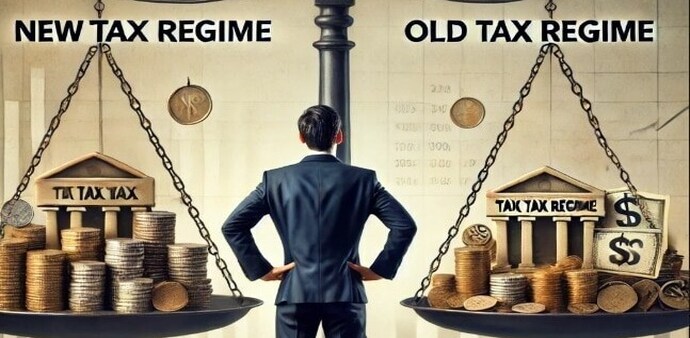
With the old regime gaining fresh relevance and the new regime retaining its simplicity advantage, the choice between the two is now more nuanced than ever. As the new financial year begins, taxpayers will need to move beyond assumptions and run detailed comparisons to identify which regime truly helps them save more tax.
India’s income tax framework is set for a recalibration from April 1, 2026, with updated rules around exemptions, perquisites, and salary structuring bringing the old tax regime back into focus. While the new tax regime continues to offer lower rates and simplicity, recent changes are prompting salaried taxpayers to revisit whether the older system could now deliver better tax efficiency.
Advertisement
The shift comes under the revised Income-tax Rules, 2026, which will apply to tax computations for the upcoming financial year, making this year’s regime selection more critical than before.
Old tax regime back in focus
Tax experts indicate that the old regime is regaining traction due to targeted enhancements in exemption limits and salary-linked benefits.
CA Dr Suresh Surana said, “A key reason for this renewed focus in the old tax regime is increase in exemption limits and the expansion of certain benefits. For instance, the higher 50% HRA exemption limit, which was earlier available only for select metro cities, has now been extended to Bengaluru, Hyderabad, Pune and Ahmedabad as well. In addition, the exemption limits for children’s education allowance and hostel allowance have been increased, while revisions have also been made to leave travel allowance (LTA/LTC) and other salary-related perquisites.”
Advertisement
READ MORE: From April 1: New tax rules kick in — what changes for your money
He added, “These changes make the old regime more attractive for taxpayers who actively claim such deductions. As a result, the old tax regime may now be more beneficial for salaried taxpayers who typically claim deductions such as HRA, home loan interest, Section 80C investments, Section 80D health insurance premium, and NPS contributions. For such taxpayers, the revised exemptions can significantly reduce taxable income and improve overall tax efficiency.”
These revisions are particularly relevant for individuals with structured salary packages and ongoing financial commitments such as rent, insurance, and long-term investments.
No change in tax slabs
Despite the renewed appeal of the old regime, tax slab rates for FY 2026–27 remain unchanged. The government’s intent, according to experts, is not to alter tax liability directly but to streamline and modernise the system.
Advertisement
Surana noted, “At the same time, it is also important to note that there has been no change in the tax slab rates for tax year 2026–27. The recent reforms are primarily focused on simplifying and modernising the tax framework rather than increasing or reducing the overall tax burden.”
He further explained, “As a result, the choice between the two regimes will continue to depend largely on the nature and quantum of deductions and exemptions available to each individual taxpayer. Hence, for individuals who do not generally claim substantial deductions or exemptions, the new tax regime is likely to remain the more tax-efficient option, as it continues to offer lower slab rates along with the higher standard deduction.”
MUST READ: Income tax and office rules 2026: What changes from April 1 and how it affects you
New regime for low-deduction taxpayers
The new tax regime continues to hold ground, particularly for individuals who prefer a straightforward structure with minimal documentation. Lower slab rates, standard deduction benefits, and a higher rebate threshold make it attractive for those without significant tax-saving investments.
For younger professionals or those without home loans or large deductions, the new regime may still deliver lower tax outgo despite the recent changes.
Advertisement
Recalculation now essential before choosing
Experts emphasise that the latest rule changes do not create a one-size-fits-all advantage for either regime. Instead, they increase the importance of individualised tax computation.
Surana said, “Accordingly, the recent changes should not be construed as automatically increasing or reducing the tax liability for all taxpayers. Instead, they reinforce the need for individuals to recompute their tax liability under both the old and the new tax regimes before making their annual choice.”
He added, “The more tax-efficient option will continue to depend on each taxpayer’s salary structure, eligible exemptions and deductions, and overall investment profile.”
Importantly, he clarified that “for FY 2025–26 (AY 2026–27), taxpayers will continue to be governed by the existing provisions of the Income-tax Act, 1961 and the Income-tax Rules, 1962. The revised framework will take effect only from 1 April 2026 and will therefore apply to tax computations from TY 2026–27 and onwards.”
What taxpayers (salaried and others) should note
With the old regime gaining fresh relevance and the new regime retaining its simplicity advantage, the choice between the two is now more nuanced than ever. As the new financial year begins, taxpayers will need to move beyond assumptions and run detailed comparisons to identify which regime truly helps them save more tax.
Read more!