
‘AI is here to stay’: Meta’s 8,000 layoffs trigger fresh panic over white-collar jobs
A social media user described how his wife, a Meta employee, had spent months working on an internal AI initiative after the company conducted a mandatory “AI week” for staff. Another said that he would now take time to reassess his career while preparing to welcome his newborn child in July.
- May 21, 2026,
- Updated May 21, 2026 12:59 PM IST
For thousands of employees at Meta, the end came in a cold corporate sentence delivered before sunrise. “Unfortunately, your role has been eliminated as part of today’s reorganisation.”
Then came the line that many workers say made the layoffs feel even harsher: “If you are already in the office, we ask that you please gather any personal items at your desk and head home.”
The email, reportedly sent around 4 am on Wednesday and obtained by Business Insider, marked the beginning of one of Meta’s largest workforce shake-ups in recent years. The company is cutting nearly 8,000 jobs — about 10 per cent of its global workforce — even as it reallocates more than 7,000 employees into artificial intelligence-focused teams.
MUST READ | Meta layoffs 2026: Severance package and benefits offered to over 8000 employees
The restructuring has become a flashpoint in a growing global debate over whether AI is not just changing work, but actively replacing large segments of white-collar labour.
‘She build the AI tool that could replace her’
One viral post on X captured the anxiety now spreading across the tech industry.
A user described how his wife, a Meta employee, had spent months working on an internal AI initiative after the company conducted a mandatory “AI week” for staff.
According to the post, regular work was paused while employees were instructed to familiarise themselves with AI systems and build early-stage internal AI tools. Projects selected by management then moved into further development alongside engineers.
“For the past couple months, my wife has been working with a superior and an engineer to refine her approved project, knowing that it could ultimately be what replaces her,” the post read. “Fast forward to today: She’s canned.”
The user said the experience should serve as “a wakeup call” for people pursuing entry- and mid-level white-collar careers, warning that AI could increasingly shrink traditional job opportunities.
The anecdote resonated widely online because it reflected a fear now common across the tech sector: employees are not only adapting to AI, but in some cases helping automate parts of their own roles.
A viral farewell from Singapore
Another emotional account came from Singapore-based Meta employee Gary Tay, whose LinkedIn post gained traction after he revealed he had been laid off just one day after training a new engineer.
“Yesterday i was training up my new pod engineer, glad i managed to squeeze in everything. Today. I’m laid off,” Tay wrote.
Tay said he had spent 3,544 days at Meta — nearly a decade — after first joining the company in London before relocating to Singapore.
“Longer than 99.5% of current employees globally,” he wrote, reflecting on his unusually long tenure in a company known for rapid churn.
Having also worked at Microsoft, Tay said he had spent more than 15 years in major global tech firms. But it was one short sentence in his post that struck a nerve online.
“AI is here to stay, apparently the human isn’t.” Tay added that he would now take time to reassess his career while preparing to welcome his newborn child in July.
Zuckerberg bets big on AI
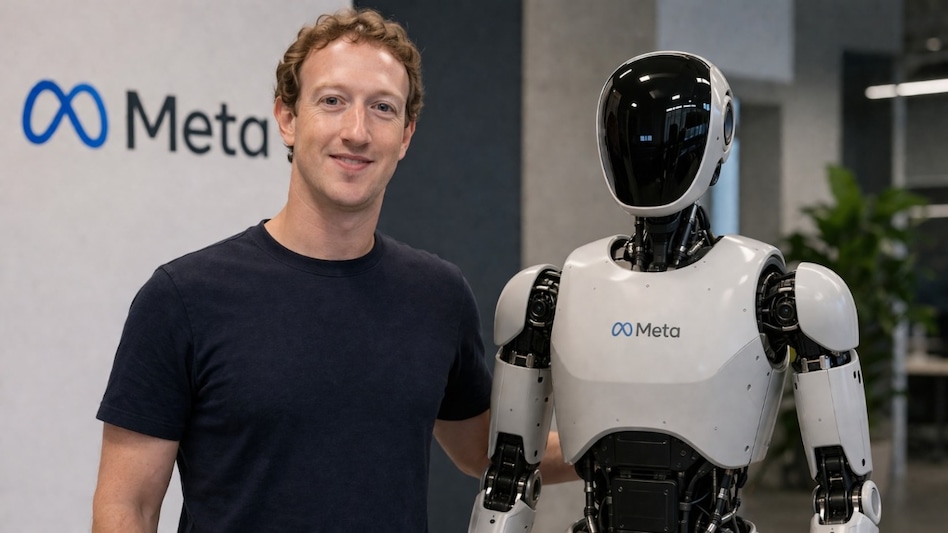
As the layoffs unfolded, Mark Zuckerberg sent a memo to employees defending the company’s aggressive AI push.
“Success isn’t a given. AI is the most consequential technology of our lifetimes,” Zuckerberg wrote. “The companies that lead the way will define the next generation.”
He acknowledged the emotional toll of the cuts, writing: “It’s always sad to say good-bye to people who have contributed to our mission and to building this company. I feel the weight of that.”
Zuckerberg also attempted to calm employee fears by saying he did not expect additional company-wide layoffs this year and admitted the company could have communicated better internally.
For Unparalleled coverage of India's Businesses and Economy – Subscribe to Business Today Magazine
For thousands of employees at Meta, the end came in a cold corporate sentence delivered before sunrise. “Unfortunately, your role has been eliminated as part of today’s reorganisation.”
Then came the line that many workers say made the layoffs feel even harsher: “If you are already in the office, we ask that you please gather any personal items at your desk and head home.”
The email, reportedly sent around 4 am on Wednesday and obtained by Business Insider, marked the beginning of one of Meta’s largest workforce shake-ups in recent years. The company is cutting nearly 8,000 jobs — about 10 per cent of its global workforce — even as it reallocates more than 7,000 employees into artificial intelligence-focused teams.
MUST READ | Meta layoffs 2026: Severance package and benefits offered to over 8000 employees
The restructuring has become a flashpoint in a growing global debate over whether AI is not just changing work, but actively replacing large segments of white-collar labour.
‘She build the AI tool that could replace her’
One viral post on X captured the anxiety now spreading across the tech industry.
A user described how his wife, a Meta employee, had spent months working on an internal AI initiative after the company conducted a mandatory “AI week” for staff.
According to the post, regular work was paused while employees were instructed to familiarise themselves with AI systems and build early-stage internal AI tools. Projects selected by management then moved into further development alongside engineers.
“For the past couple months, my wife has been working with a superior and an engineer to refine her approved project, knowing that it could ultimately be what replaces her,” the post read. “Fast forward to today: She’s canned.”
The user said the experience should serve as “a wakeup call” for people pursuing entry- and mid-level white-collar careers, warning that AI could increasingly shrink traditional job opportunities.
The anecdote resonated widely online because it reflected a fear now common across the tech sector: employees are not only adapting to AI, but in some cases helping automate parts of their own roles.
A viral farewell from Singapore
Another emotional account came from Singapore-based Meta employee Gary Tay, whose LinkedIn post gained traction after he revealed he had been laid off just one day after training a new engineer.
“Yesterday i was training up my new pod engineer, glad i managed to squeeze in everything. Today. I’m laid off,” Tay wrote.
Tay said he had spent 3,544 days at Meta — nearly a decade — after first joining the company in London before relocating to Singapore.
“Longer than 99.5% of current employees globally,” he wrote, reflecting on his unusually long tenure in a company known for rapid churn.
Having also worked at Microsoft, Tay said he had spent more than 15 years in major global tech firms. But it was one short sentence in his post that struck a nerve online.
“AI is here to stay, apparently the human isn’t.” Tay added that he would now take time to reassess his career while preparing to welcome his newborn child in July.
Zuckerberg bets big on AI
As the layoffs unfolded, Mark Zuckerberg sent a memo to employees defending the company’s aggressive AI push.
“Success isn’t a given. AI is the most consequential technology of our lifetimes,” Zuckerberg wrote. “The companies that lead the way will define the next generation.”
He acknowledged the emotional toll of the cuts, writing: “It’s always sad to say good-bye to people who have contributed to our mission and to building this company. I feel the weight of that.”
Zuckerberg also attempted to calm employee fears by saying he did not expect additional company-wide layoffs this year and admitted the company could have communicated better internally.
For Unparalleled coverage of India's Businesses and Economy – Subscribe to Business Today Magazine